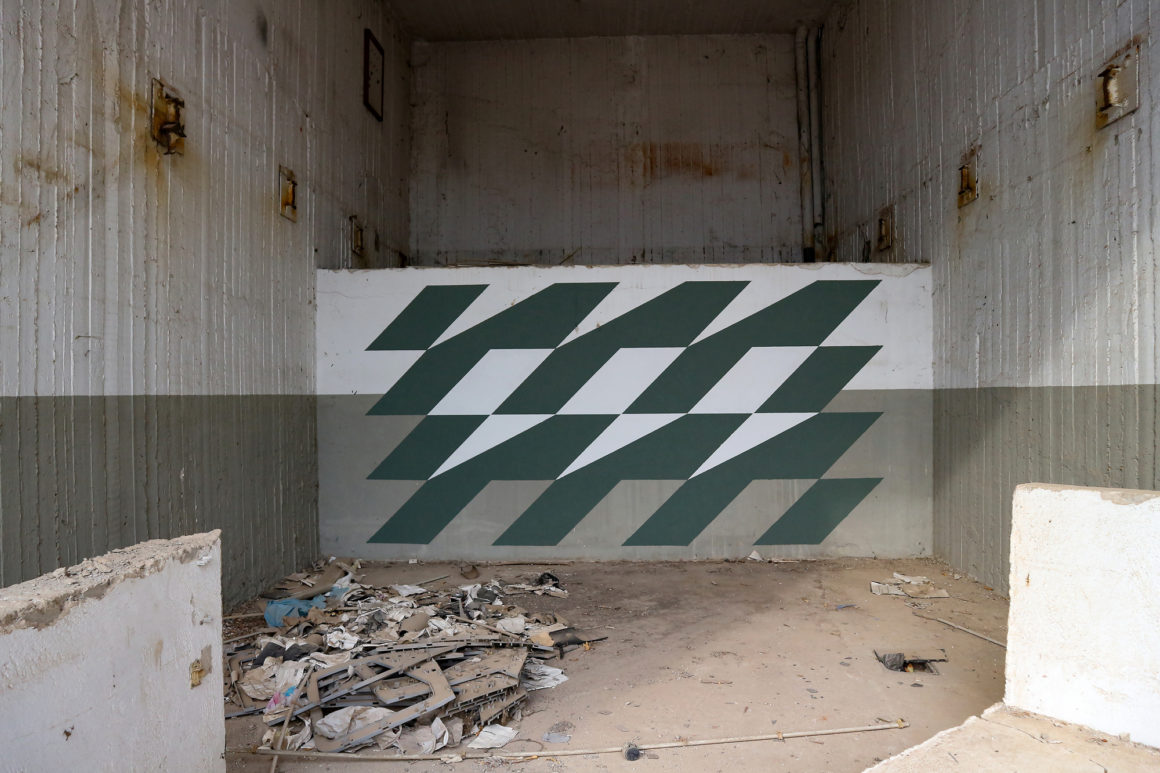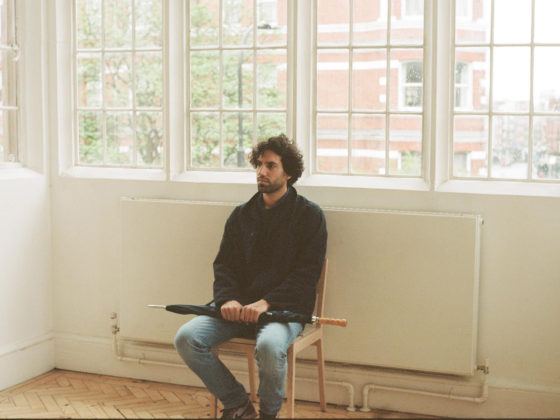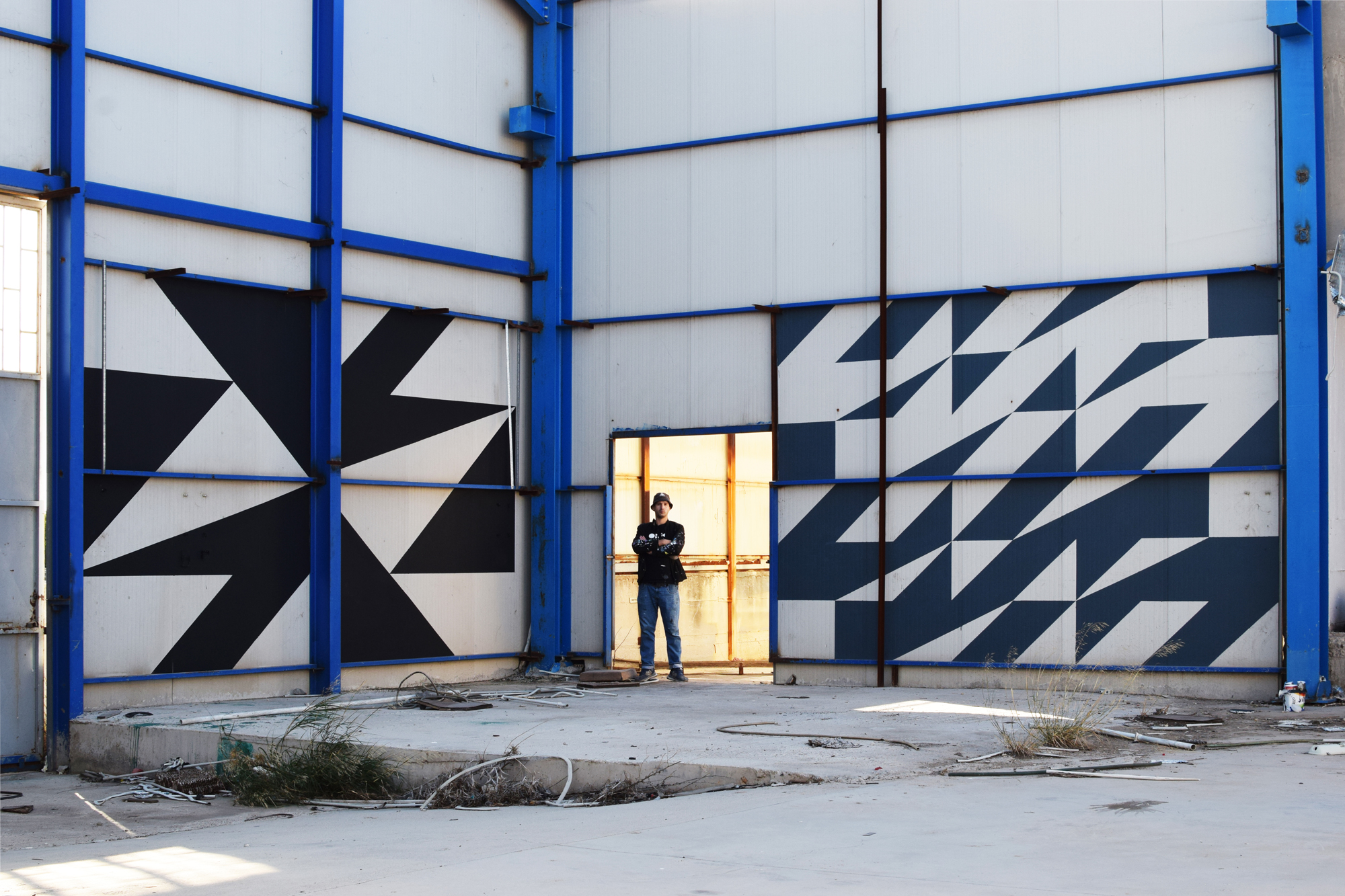
From his early days painting graffiti in Patras to large-scale murals in Athens and beyond, OneBran has developed a visual language shaped by abstraction, repetition and the city itself. We caught up with the artist to talk about learning from the streets, finding his own way of seeing and making work that takes on a life of its own.
You started painting graffiti in Patras in the early 2000s. What did the street teach you that art school couldn’t?
Art school is an enclosed environment, and no matter how great it can be, it has very little to do with real life. I consider myself lucky because, through painting in the streets, people started approaching me and asking me to paint things they owned. So, from a really young age, I learned how to deal with potential clients while still doing things my own way.
“I did my first commissioned paintings on walls around the age of 15, without any art or business knowledge, just using the streets as word of mouth.”
At that point, the only goal was to get some extra colours so I could paint more. But slowly, the XP points started adding up. Another important thing the streets taught me, among many others, is to respect, observe, and keep your eyes open for both comfortable and uncomfortable situations. Your vision gets sharper, and you start learning the city’s secrets while creating a visual code that people usually overlook in their daily routines. On the streets, it’s not always safe. You never know what’s going to happen, and the streets are constantly changing, so you always have to adapt.
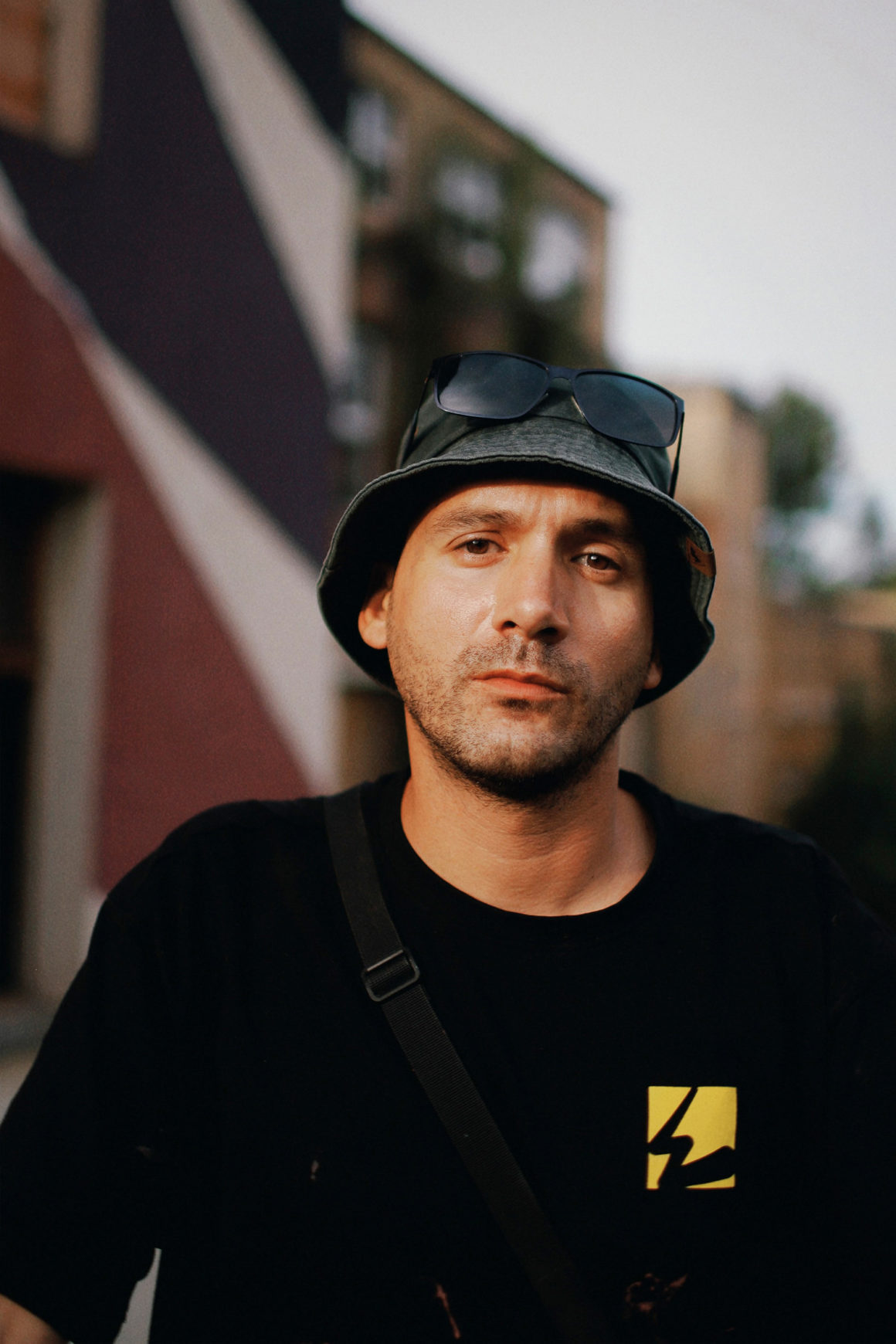
Do you remember the first wall you painted? What did it feel like to see something you had made occupying that much space?
I was 11 years old and it was 2000. At that time, the first video game consoles were starting to appear, so imagine a bunch of young kids all playing together full of energy. After listening to some of the first hip-hop tracks we had ever heard, an older guy came up with the idea of copying a graffiti style that appeared in the background of a video game.
We did it and the next day we all bought a few spray cans and painted that piece on a wall in our neighbourhood. And that was it. It was like a virus. At least for me, since most of the other guys never did it again. That was a turning point. I had found a new interest in my life, one that at the time was heavily connected to hip-hop. I don’t really remember ever going back to that place to see the artwork, because my only mission was to find new places to paint and get better at it. Competition became another driving force, because the older guys were already killing it.
Graffiti is often about developing a recognizable signature. Your work eventually moved towards abstraction. When did you realize that you had found a visual language that felt like your own?
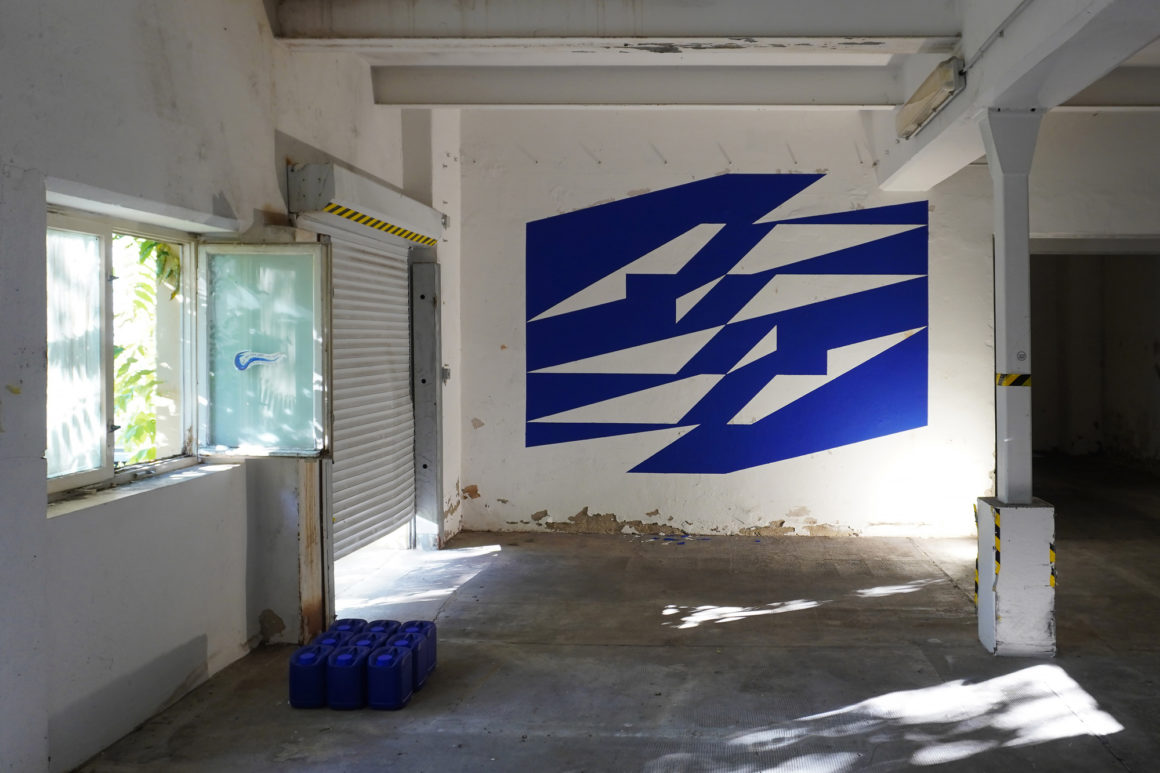
Abstraction came naturally to me, since I reached a point where graffiti lettering had nothing more to give me (or at least that’s what I thought at that moment). I really appreciate the good stuff on the streets, but I wasn’t interested in continuing to do it. Even my latest graffiti pieces were already becoming really abstract. I experimented a lot with different abstract styles and I still find it fascinating to this day. When I made my first abstract piece, a new world opened in front of my eyes. I couldn’t hold my excitement and just wanted to try more and more things, as long as lettering wasn’t involved in my painting anymore. It’s funny because now I’m back to studying letter forms, composing and decomposing them. I guess things always come back around. As for finding my own visual language, I think it happened slowly through repetition and experimentation rather than one specific moment. At some point I just started trusting my own decisions. Now I feel much safer inside my own visual world.
“I think that’s when you start developing a visual language of your own. Not when you stop experimenting, but when you feel comfortable enough to keep experimenting without losing yourself.”
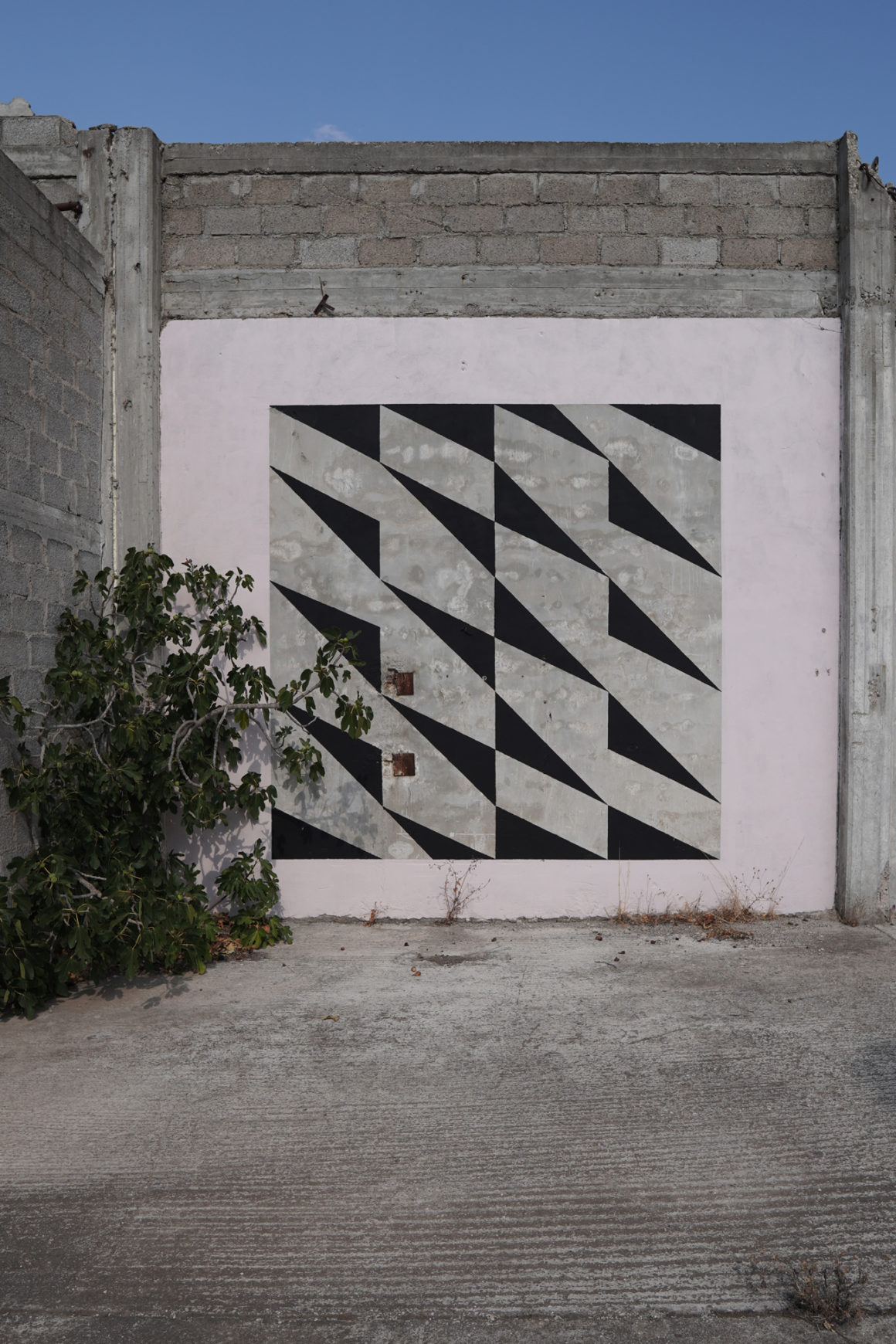
Sharp angles, irregular shapes and triangular forms appear again and again in your work. Where do these forms come from for you?
Again, and again. I think that’s the right phrase for it. Everything repeats itself. History repeats itself, human behaviors repeat. People grow old and become children again. Nature repeats itself. Everything comes in front of you again and again. People want to think that everything is so complex, but at the same time, it all feels so obvious. We are living in an era where we are overwhelmed with information, and this is where my forms come in. I’m trying to reduce things, to remove the unnecessary and keep only what feels essential to me. I think that’s also why repetition is so important in my work. By repeating a form, a shape or a colour, I can create something that feels familiar, but at the same time, it can build into something much more layered. It’s almost like trying to find order in all this information, without completely controlling it.
“I want the forms to speak for themselves, without needing too much explanation.”
You work across walls, canvases, prints, collage and moving image. What changes when the same visual language has to live on a building rather than on a piece of paper or a screen?
For me, when a mural is done, it’s done. It’s completed and left there. On the other hand, in the studio or on the computer, projects never really end. A lot of times I paint over an older painting. For example, I might cut some older pieces into smaller parts and use them to create something new. If a painting is never sold, or if I’m just tired of looking at it, I paint over it. Sometimes I keep some of the older elements, sometimes I completely cover it. It’s the same with the computer. When my mind gets stuck, I go back to older designs and try to approach them in a new way. Whatever stays in the studio, there is always a possibility that it will change at some point.
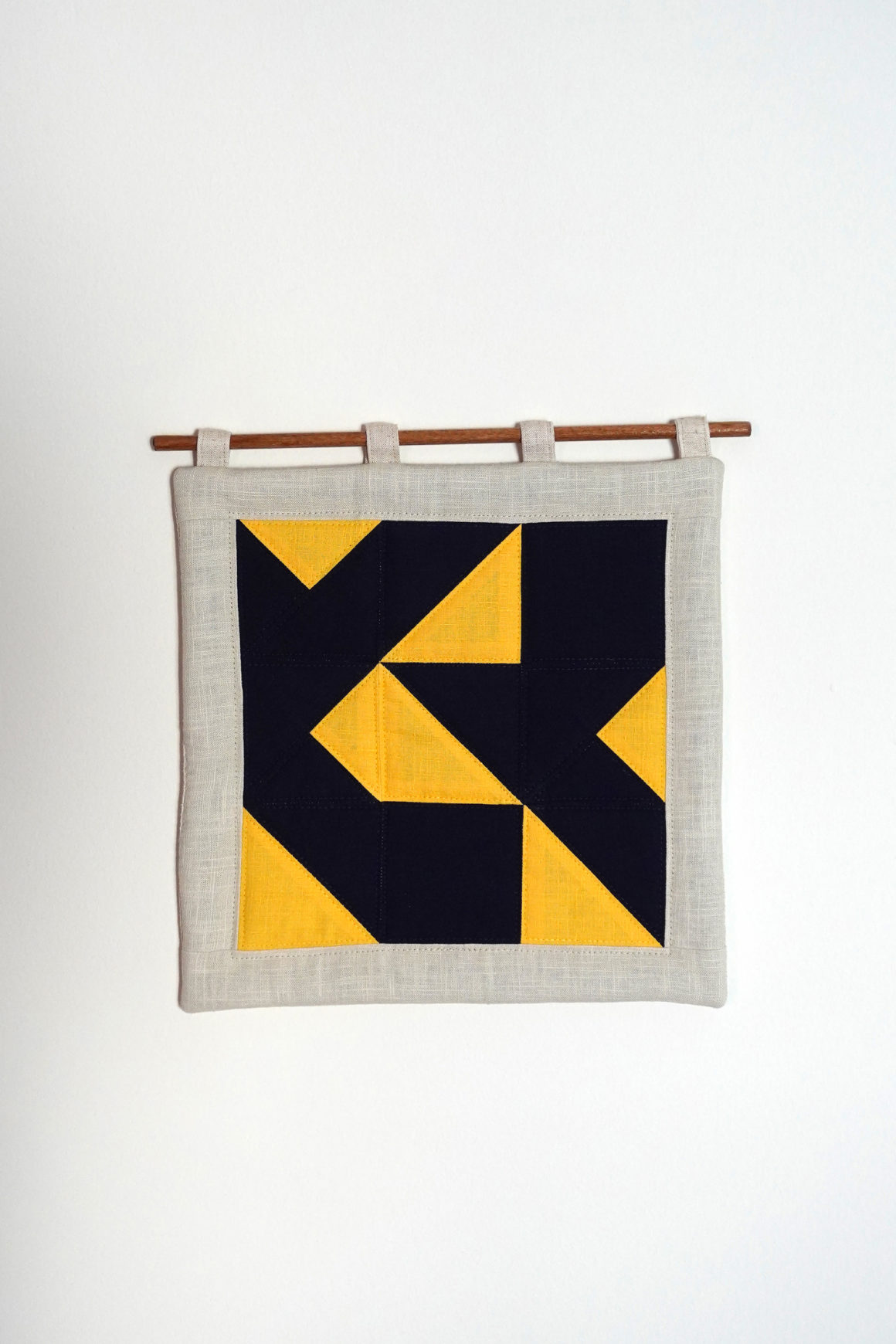
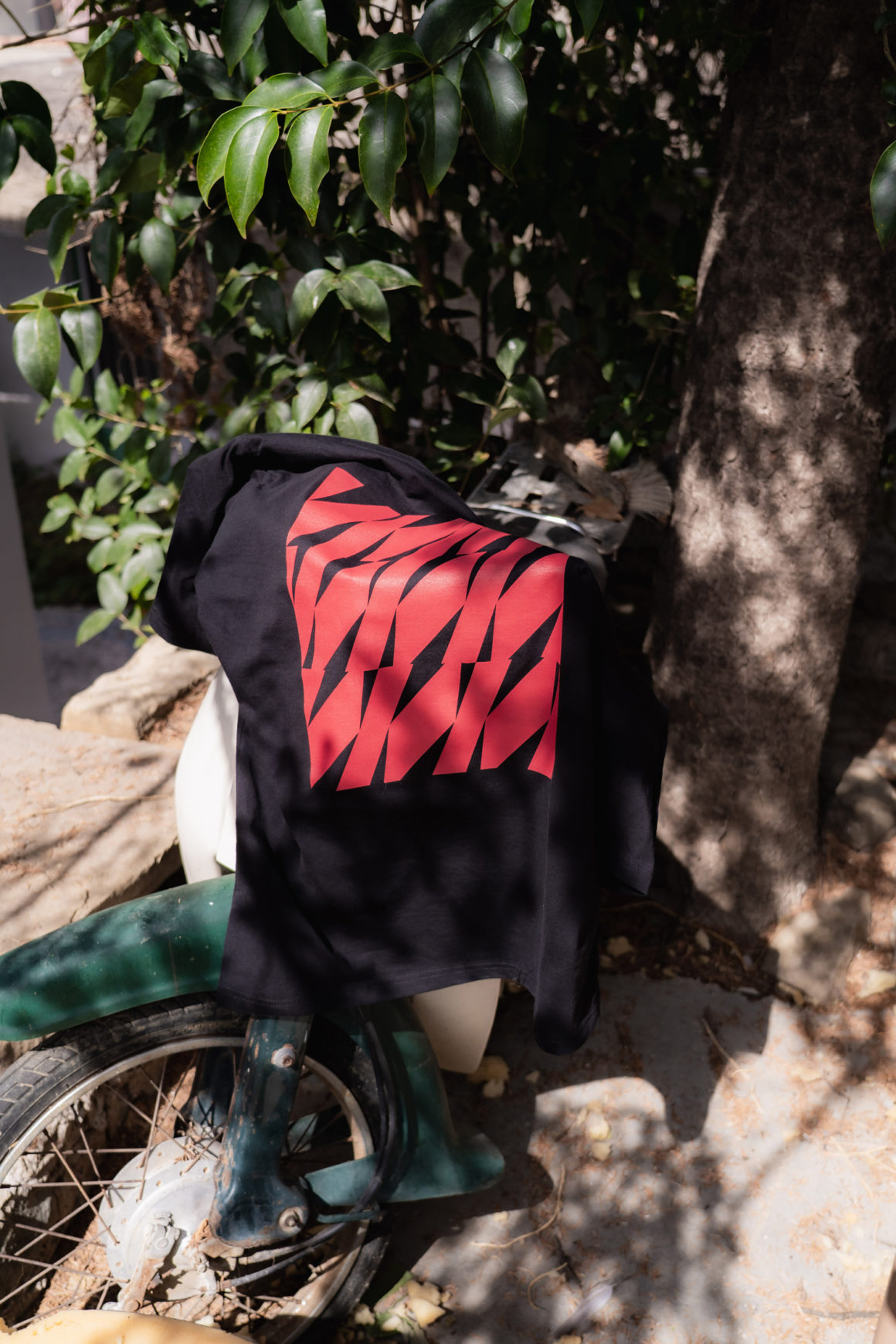
When you arrive at a new wall, what do you notice first: its architecture, its surroundings, the people passing by, the light?
The surroundings at first and the architecture, then the surface of the wall, so I can decide how I’m going to work. Light is also a big part of my inspiration. It can completely change the way I see a place, the colours, the shadows, and even the way I imagine the painting on the wall. Sometimes the light itself can give me an idea or make me approach a wall in a completely different way. At the same time, light is really important for photography.
When you work outdoors, you can spend days painting a mural and then leave the place, knowing you might never see it again.
The photograph might be the only thing that remains, so documenting it properly is important to me. Even though I believe it’s always better to see a mural in person than in a photo. It’s a totally different experience, and I recommend it, even if it means you have to search for it. If people happen to pass by while I’m painting, I’m always down for a chat when someone is interested.
A mural becomes part of someone else’s everyday landscape. Does that responsibility affect what you make?
I think about it, but I don’t want it to control what I make. I always want to respect the environment I’m working in and the people who are going to live with my work every day. At the same time, I think a mural becomes part of the city and starts having a life of its own. People will see it differently, ignore it, appreciate it, live next to it, take photos of it, or eventually paint over it. I’m part of that process, but I don’t completely control it. So yes, there is a responsibility, but for me it’s more about respecting the place and the time we’re living in, while always trying to bring something new to the table, rather than trying to make something that everyone will like.
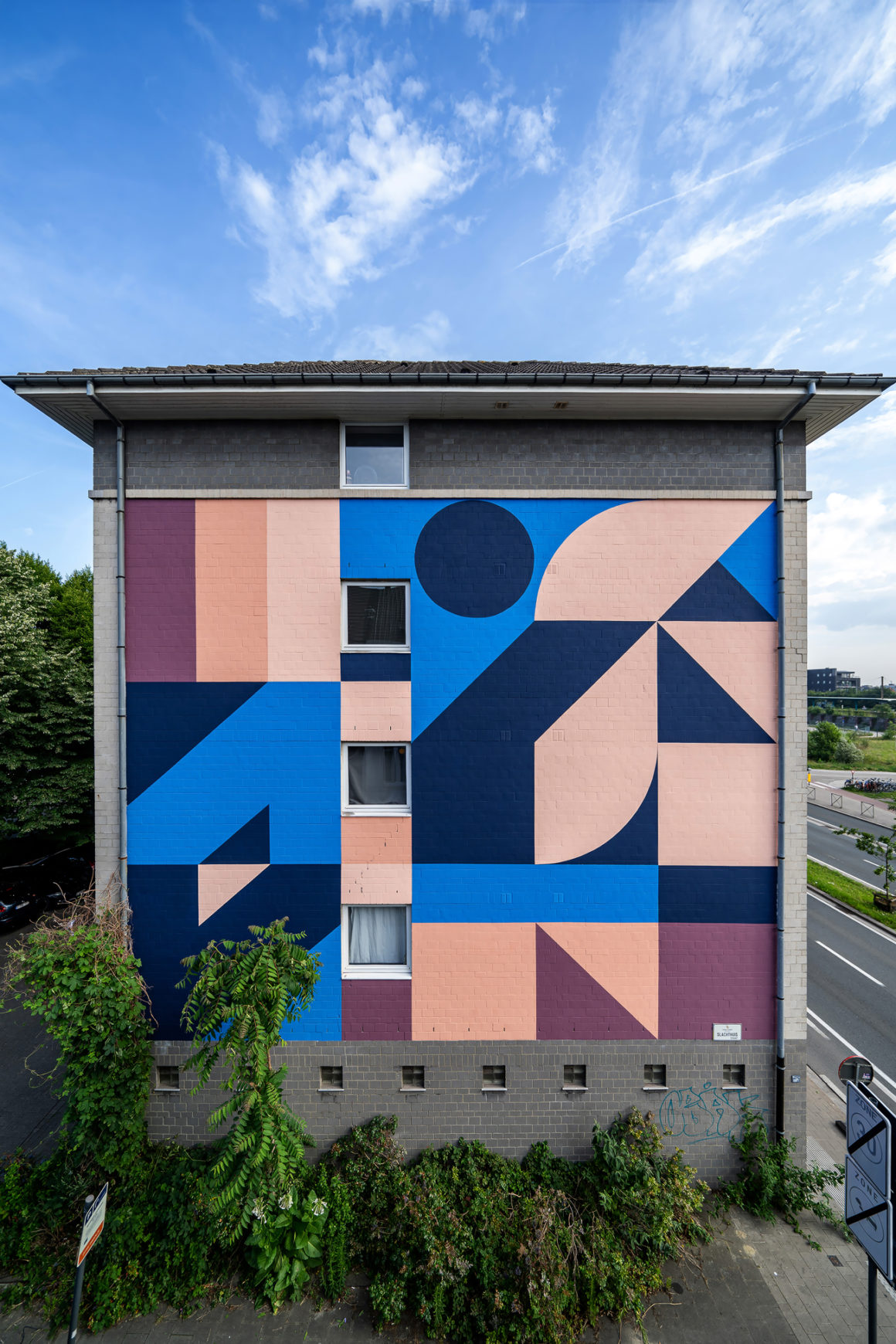
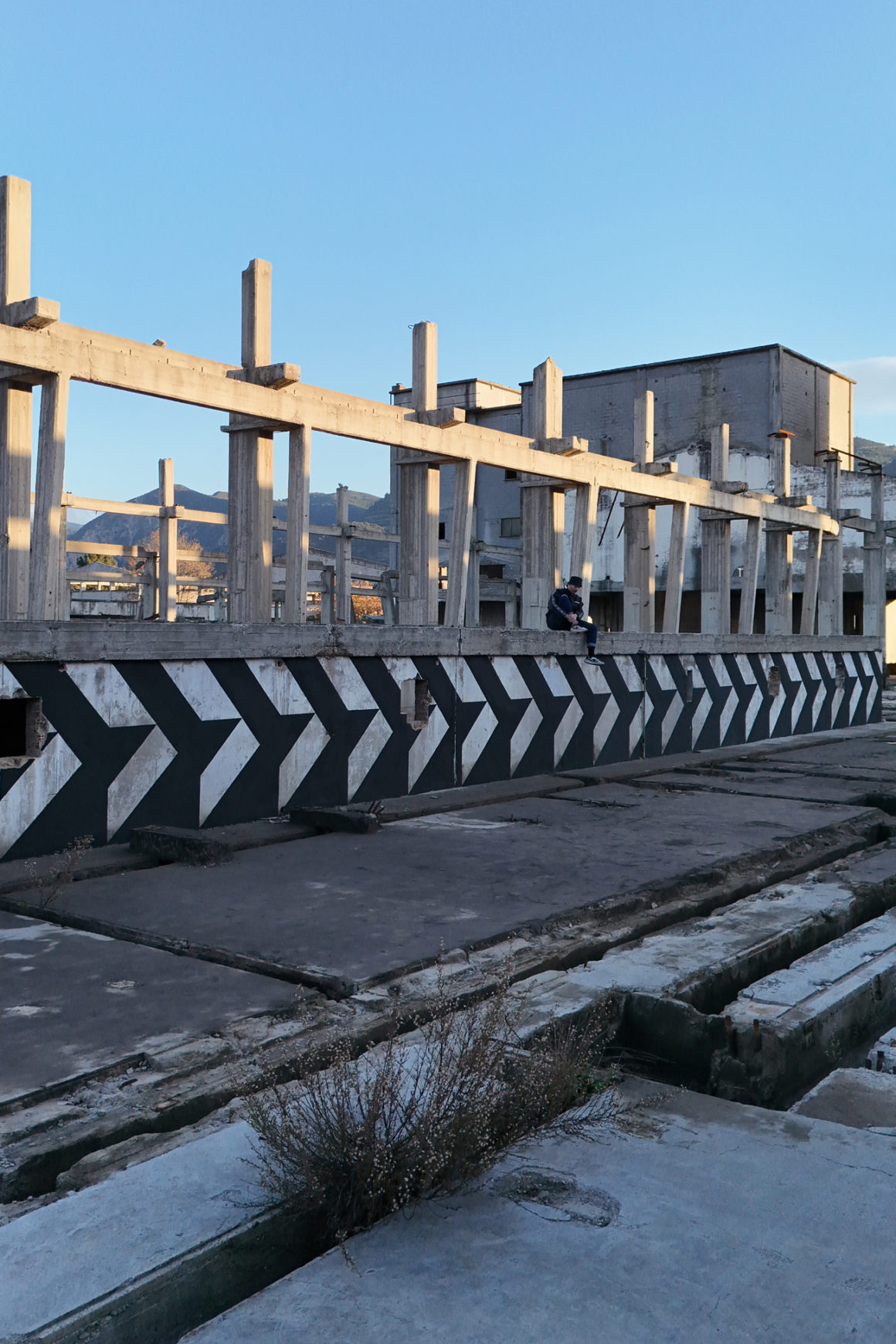
Your work now moves between spontaneous urban culture and commissioned spaces. How do you protect the freedom of the work when there is a brief, a client or a particular space involved?
I always wanted to adjust my paintings to the environment. Maybe this happened because I’ve spent a lot of time painting in abandoned factories, and I don’t want to be disrespectful to an older building that carries its own history. This way, I also learned how to adapt to more corporate environments. I’ve been asked many times to paint on weird wall structures, and for me, it’s always a new challenge. I’m always keen to hear the client’s ideas and get a direction, as long as it makes sense. Things can get out of control when too many people get involved in between.
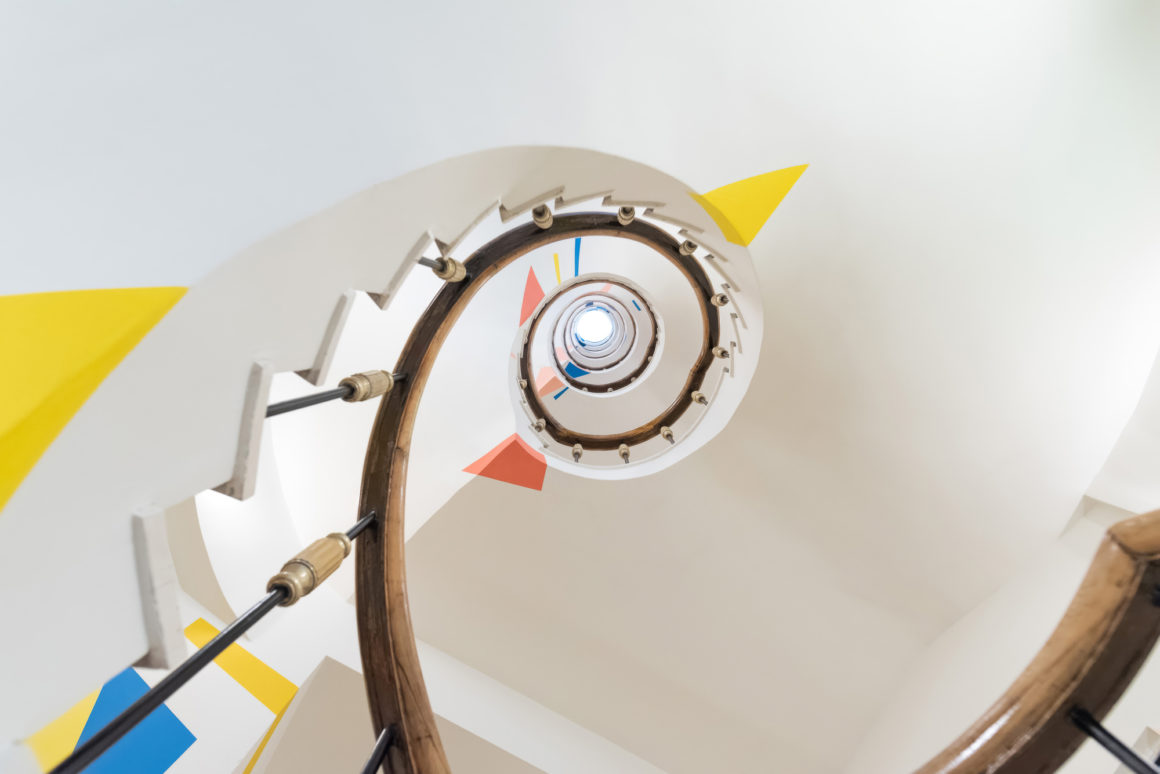
Graffiti is temporary by nature. Walls are painted over, buildings change and cities move on. Has working in the street made you more comfortable with the idea of your work disappearing?
It can be really frustrating to see a painting you did last year being covered with an ugly ad or buffed, but it can also be magical to suddenly come across an artwork you did 20 years ago. That’s how it goes, and we are part of it.
A part of Athens you never tire of walking through?
Patission str., which is rough and dirty, but beautiful and raw at the same time. You get the vibe of the whole city in one road.
Something you collect, intentionally or otherwise?
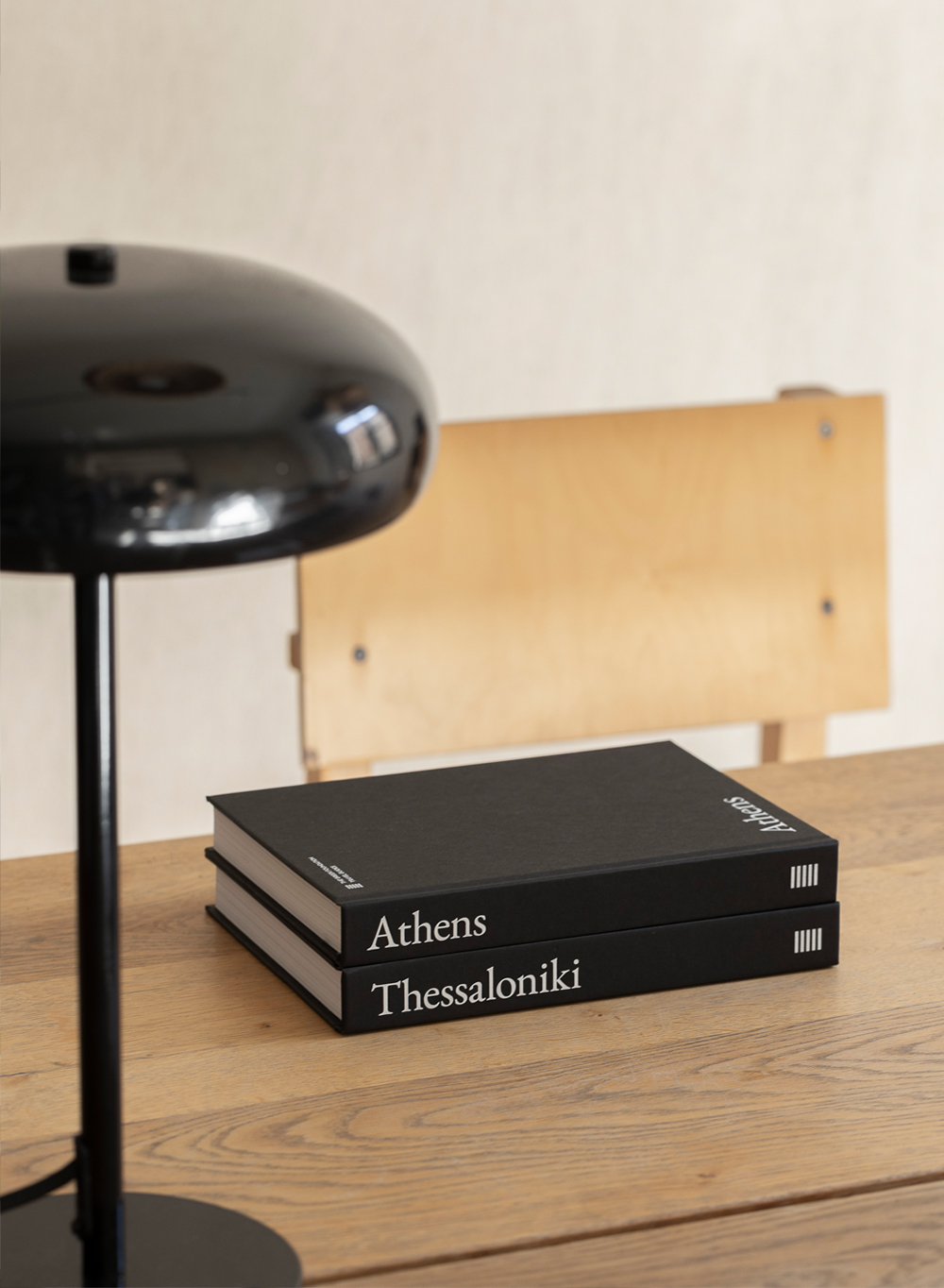
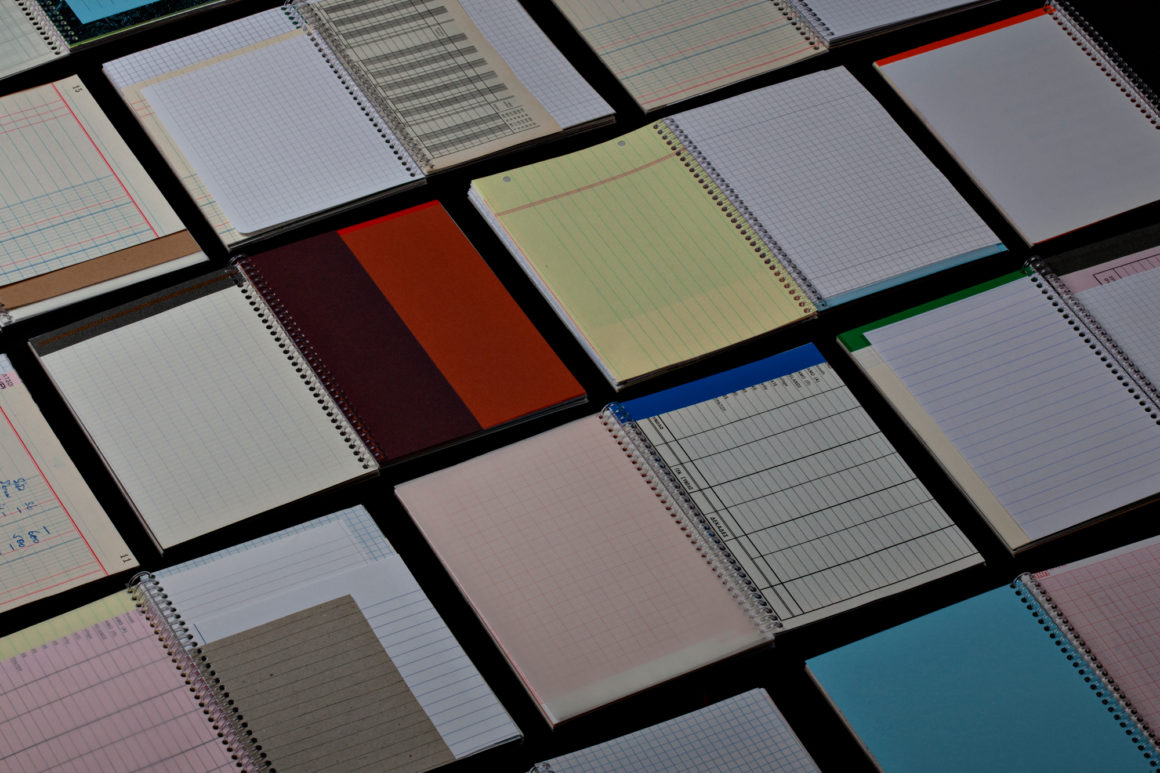
Over the last few years, I’ve been collecting old notebooks, invoices, and other company documents from abandoned factories, with blank pages that someone could draw on. At least, that’s how I imagined it in the first place. It started from a need to reuse these materials, because otherwise they would simply fade away with time. In collaboration with a friend, we created a series of handmade notebooks called Untold Stories. Each custom handmade sketchbook features around 120 pages of paper collected from various abandoned notebooks. The first edition sold out almost immediately and now I’m already settling the material and planning the second edition. In the end, fewer people used them for drawing and more people used them as notebooks. Others just kept them aside as unique art books. It seems the objects found their own purpose.
I also collect leftover colours from the streets when people throw them away after renovations or whatever. I take them back to my studio, mix them together and create new tones. These are the things I collect intentionally. There are others I collect without even realizing it, and my people are always making fun of me because they think I’m going to end up with a vintage store.
What’s usually playing while you work?
When I work outside, I prefer not to listen to music. I like to feel the energy of each place and just vibe with it.
When I’m in the studio, I’ll play some ’90s or 2000s hip-hop, trip-hop, jazz, or whatever fits the vibe. To tell you the truth, I prefer older music in general, but I do appreciate the silence since my work is very technical and demands focus. When I work on a video, though, I want to have a beat, some noise, ambient sounds, or more experimental stuff.
The best time of day to paint outdoors?
The best time to paint outdoors is in winter, when it’s raining and I’ve found a nice covered spot. I love that feeling, the sound of the rain, completely natural and ambient.
When you’re not making anything, where do you go to clear your head?
The only places where my head really goes empty are the mountains and the sea. Being there with the people I love is probably the closest I get to completely switching off.