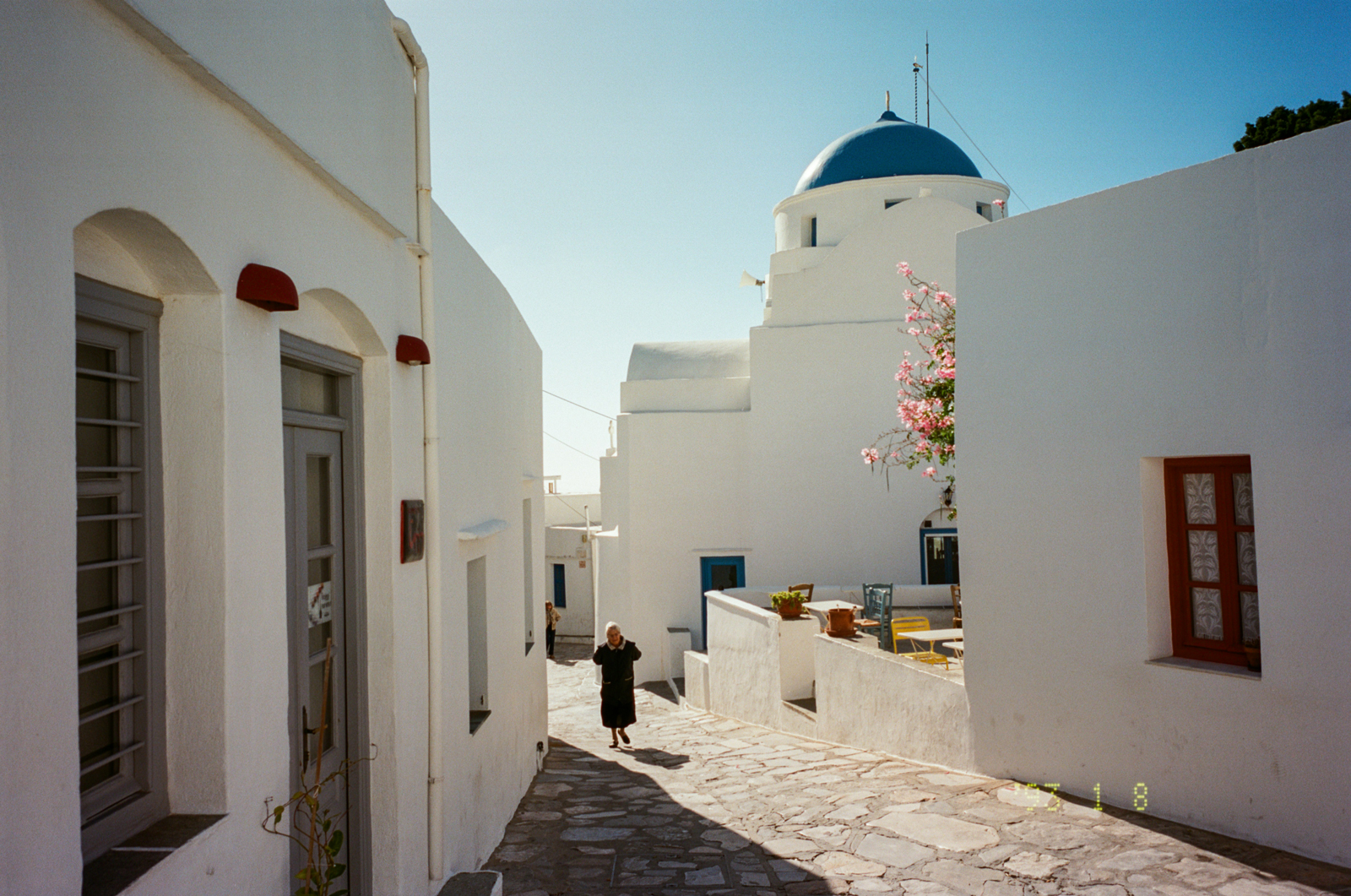
When people picture the Greek islands, they usually imagine the coast first. Ferries arriving at busy harbours, long afternoons by the sea, tables set a few steps from the water.
Yet some of the islands’ most memorable places sit further inland.
Hidden among mountains, valleys and hillsides are villages that reveal a different side of island life. The pace is slower, the air often cooler and the connection to local traditions feels stronger. These are places made for wandering rather than sightseeing, where a walk through narrow lanes often tells you more about an island than a day spent on the beach.
Volax, Tinos
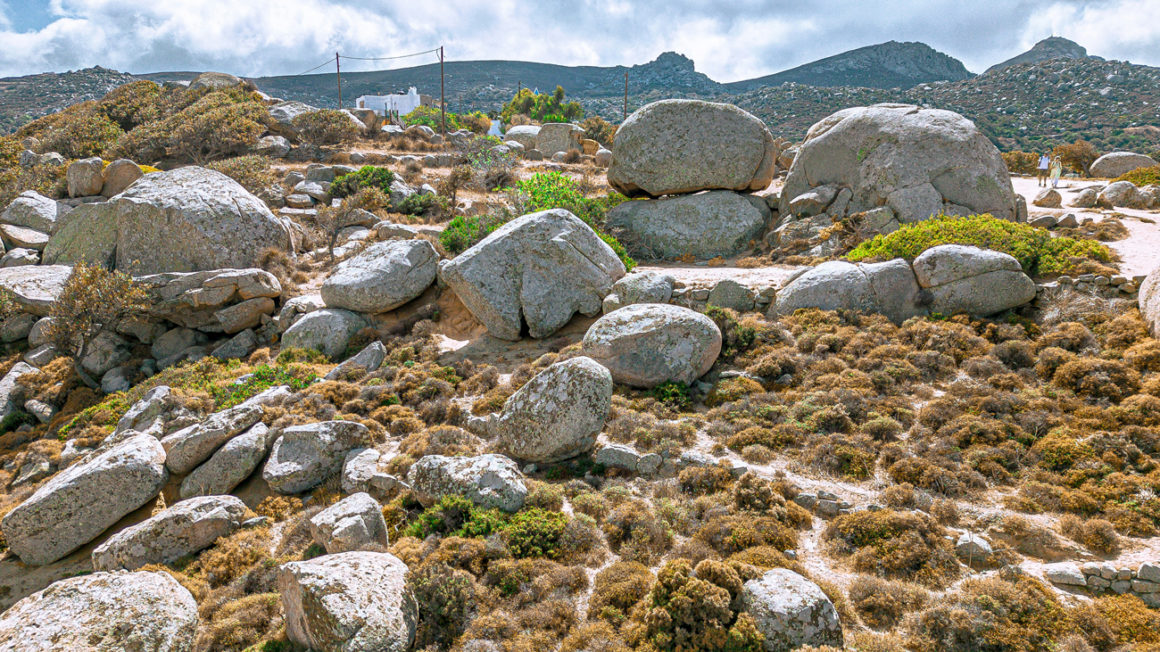
Few places in Greece look quite like Volax. The village sits among enormous rounded granite boulders that seem almost intentionally arranged, creating a landscape that feels both natural and surreal. Between them, white houses, workshops and quiet lanes have found their place over centuries. Volax has long been associated with basket weaving, and many visitors arrive curious about the rock formations but leave remembering the village itself.
Apeiranthos, Naxos
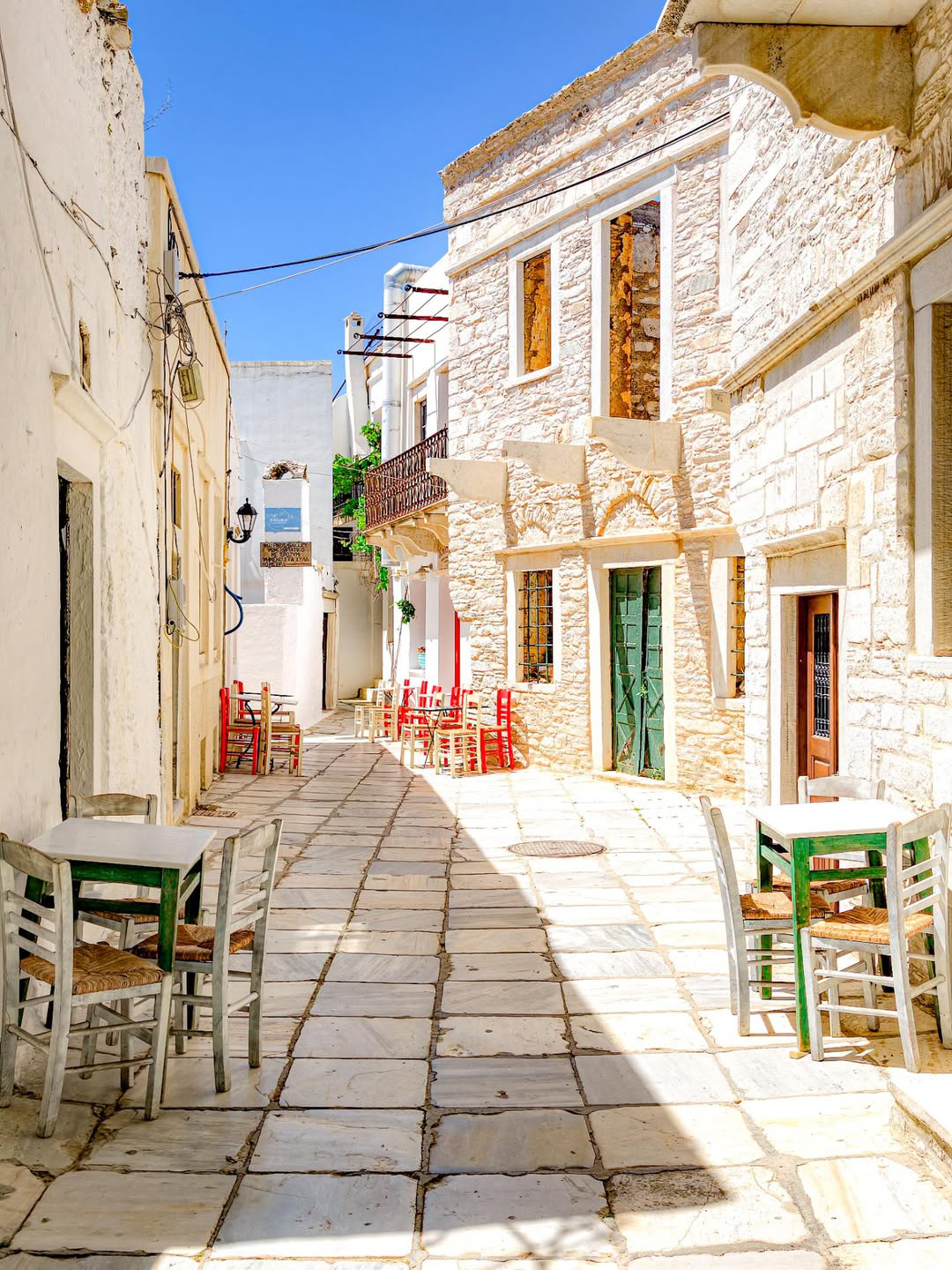
Set high on the slopes of Mount Fanari, Apeiranthos feels unlike anywhere else in the Cyclades. Marble appears everywhere —underfoot, on staircases, across small squares and archways— giving the village a distinctive character that sets it apart from the whitewashed image many associate with the islands. The streets are narrow and winding, opening unexpectedly onto cafés and small museums. Even in the height of summer, the village retains a sense of everyday life that feels refreshingly authentic.
Kastro, Sifnos
Perched on a rocky outcrop overlooking the Aegean, Kastro remains one of the most atmospheric villages in the Cyclades. Once the island’s capital, it still carries traces of its medieval past. Houses stand tightly together along narrow passageways, while old walls and gateways hint at centuries of history. Early mornings and late afternoons are especially beautiful here, when the sunlight softens and the sea seems to stretch endlessly beyond the village.
Agiasos, Lesvos
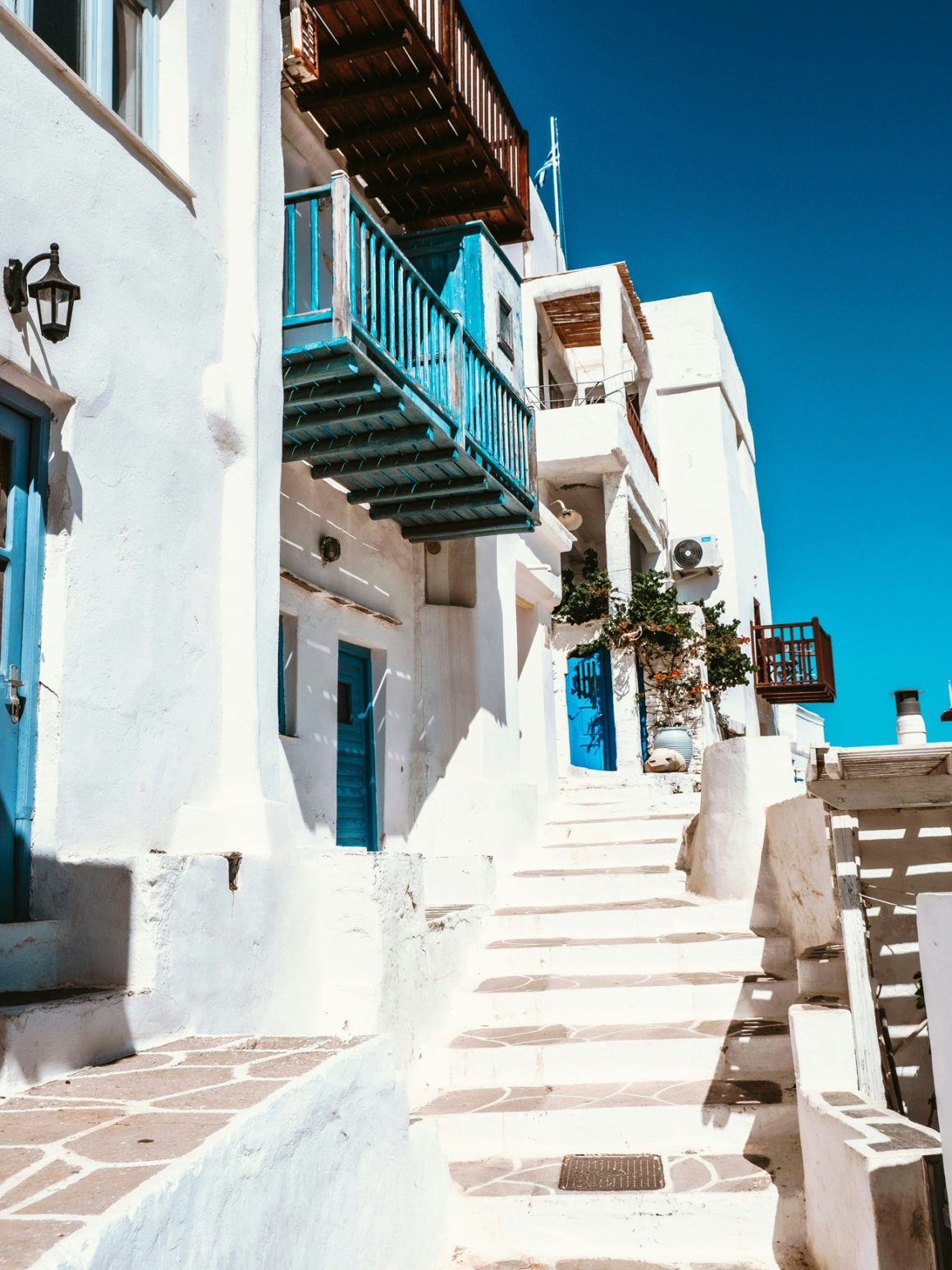
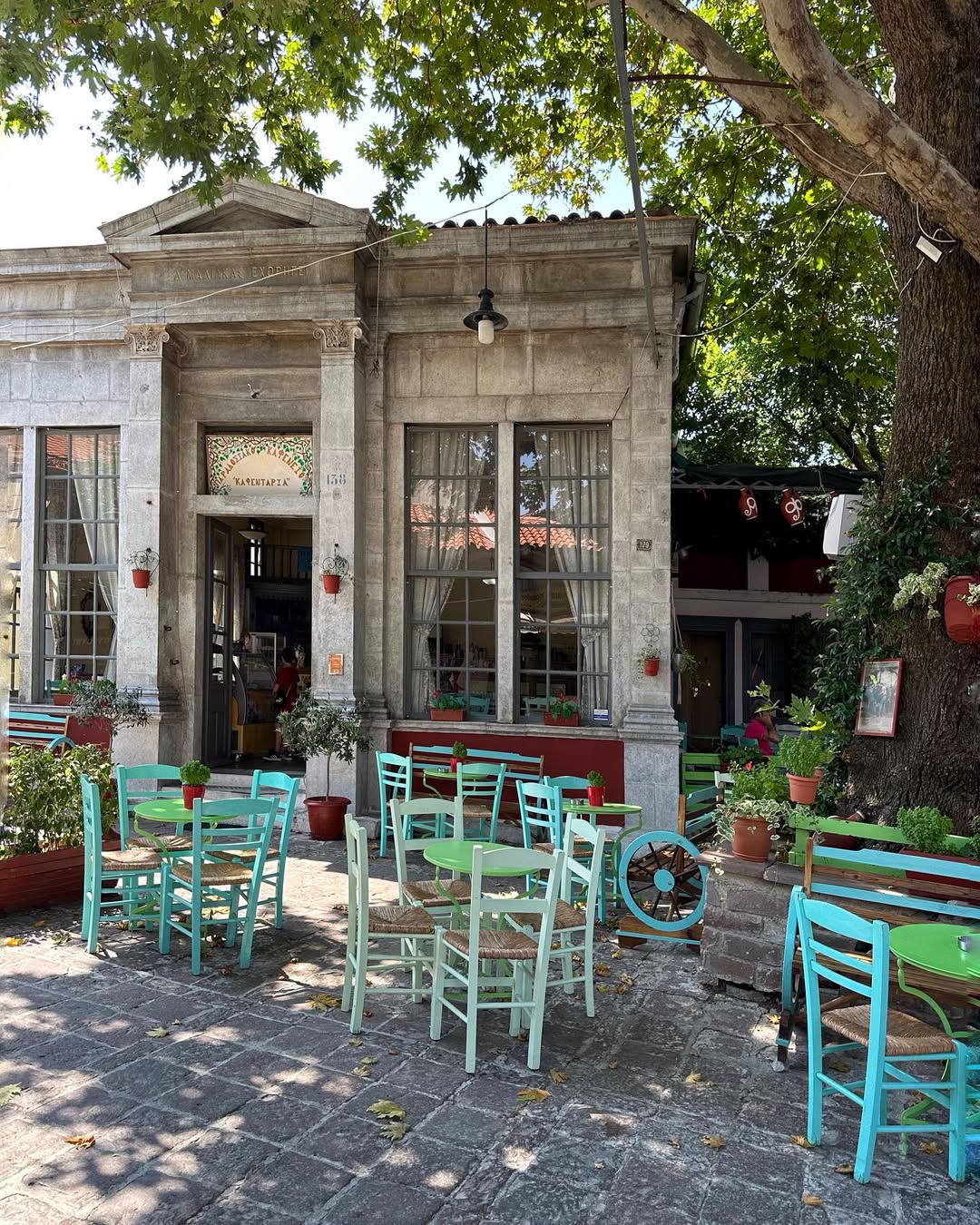
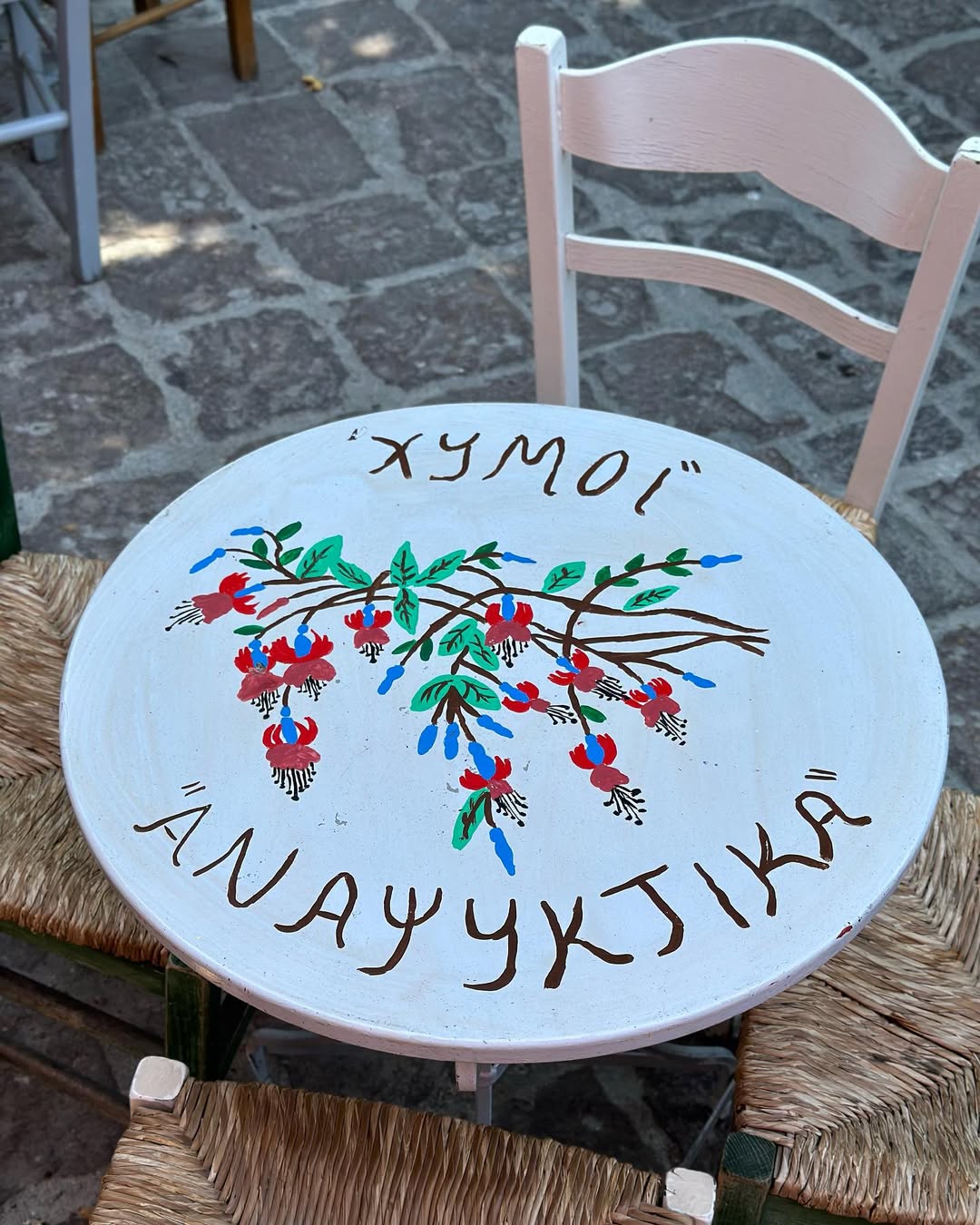
Deep in the green interior of Lesvos, Agiasos offers a completely different vision of island life. Surrounded by chestnut forests and mountain slopes, the village feels far removed from the dry landscapes often associated with the Aegean. Traditional houses with wooden balconies line the streets, while local workshops continue crafts that have been practiced here for generations. It is a place where the island reveals an unexpected side of itself.
Pyrgi, Chios
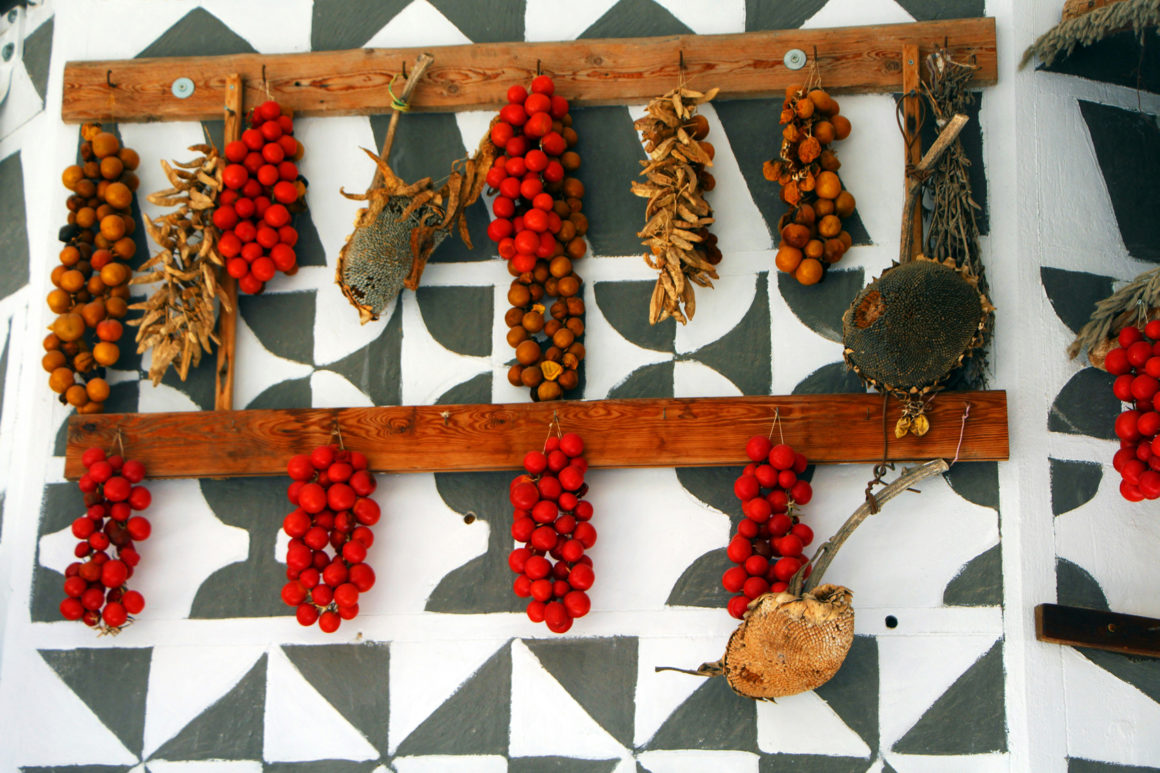
At first glance, Pyrgi hardly resembles the image most people have of a Greek island village. The façades of its houses are covered in intricate black-and-white geometric patterns known as xysta, a decorative technique found almost nowhere else in Greece. Walking through the village feels almost theatrical, as every lane reveals another carefully detailed wall, doorway or arch. Yet Pyrgi is more than its appearance. As one of Chios’ historic mastic villages, it remains closely tied to the landscape and traditions that have shaped the island for centuries.
Lefkes, Paros
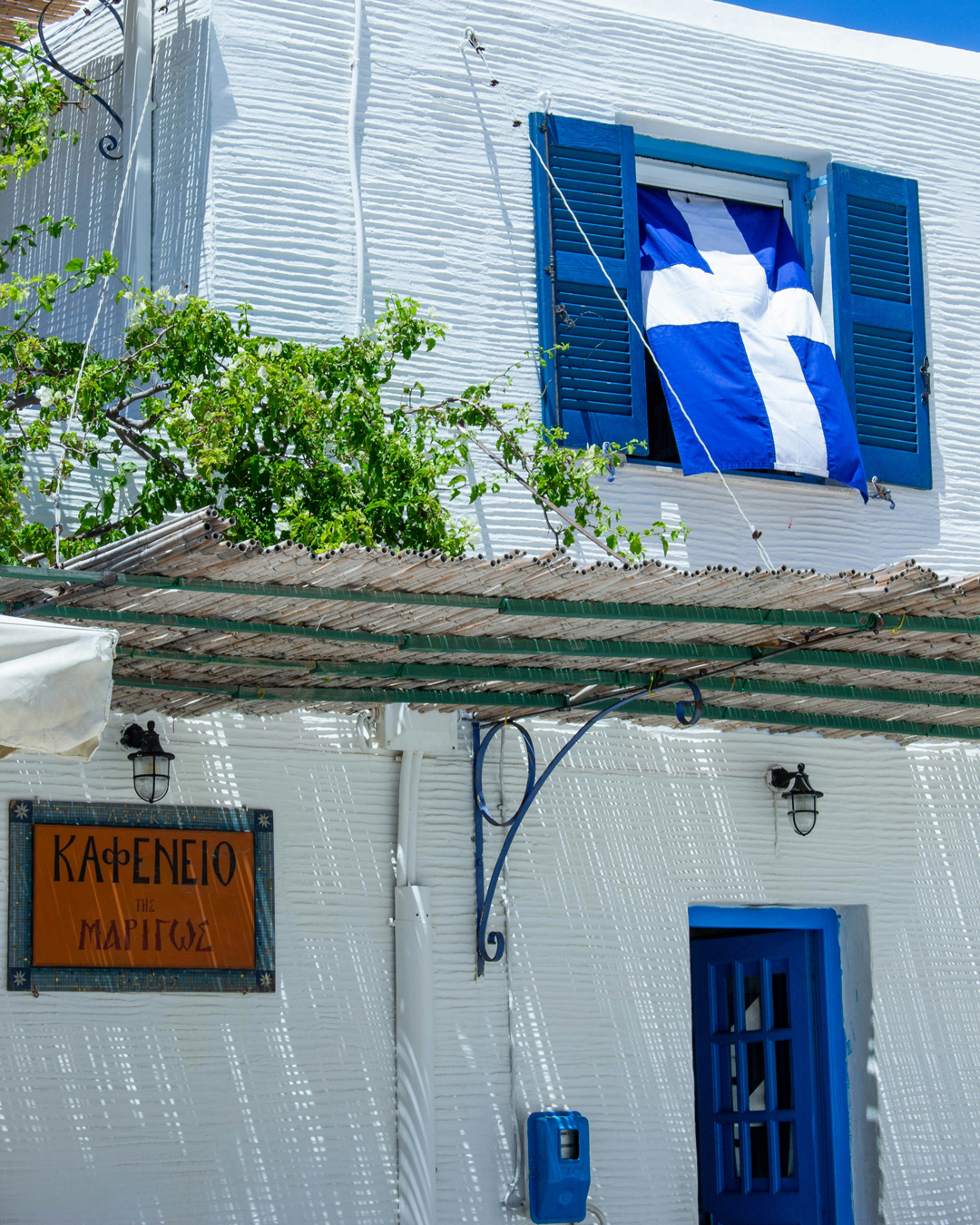
Long before Paros became known for its beaches and summer crowds, Lefkes was the island’s capital. Set among olive groves and hills in the island’s interior, the village offers a quieter side of Paros. Whitewashed houses line narrow pathways, bougainvillea spills over stone walls and shaded squares invite visitors to slow down for a while. Many come for the architecture, but just as many stay for the atmosphere, one that feels remarkably unchanged despite the island’s growing popularity.
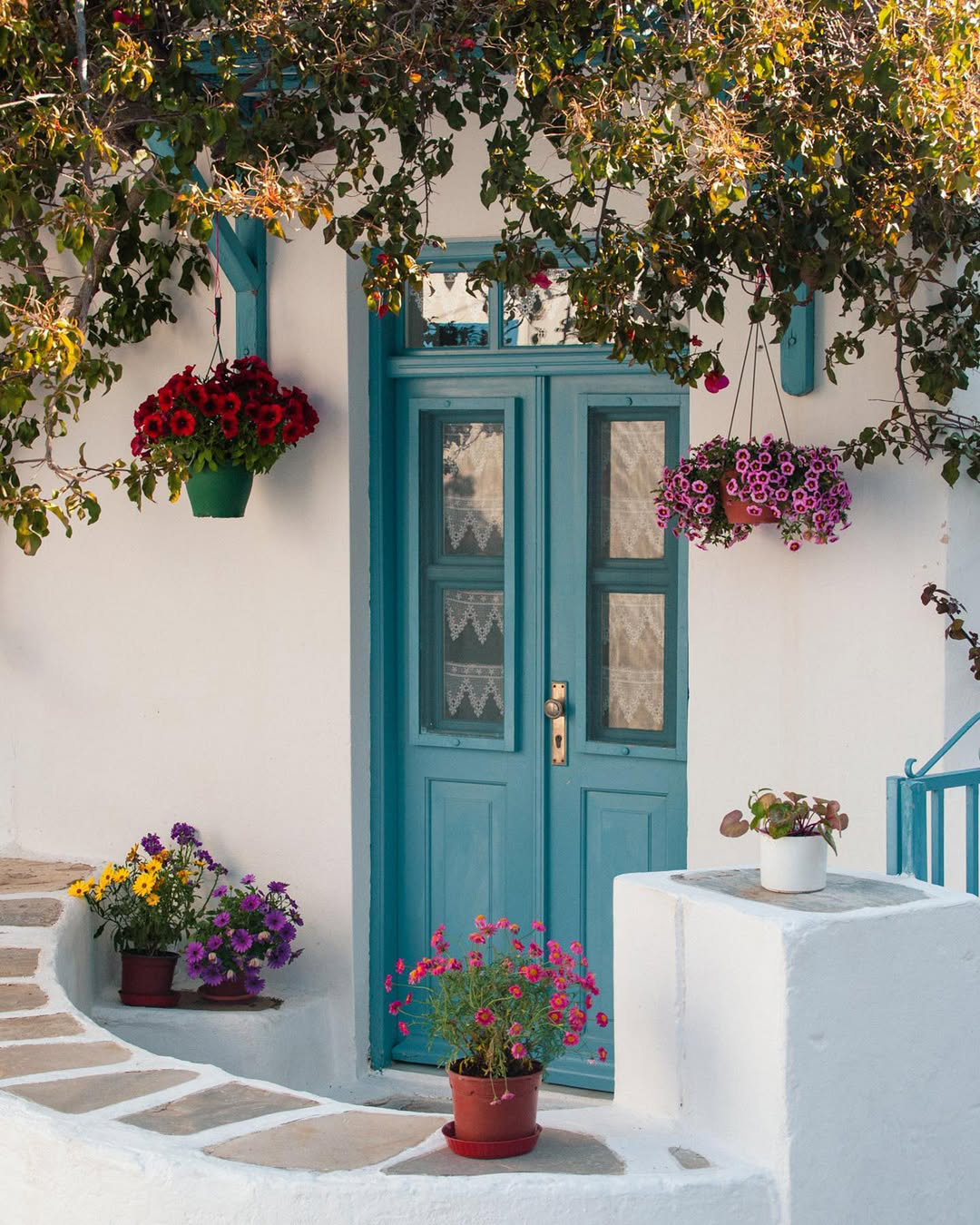
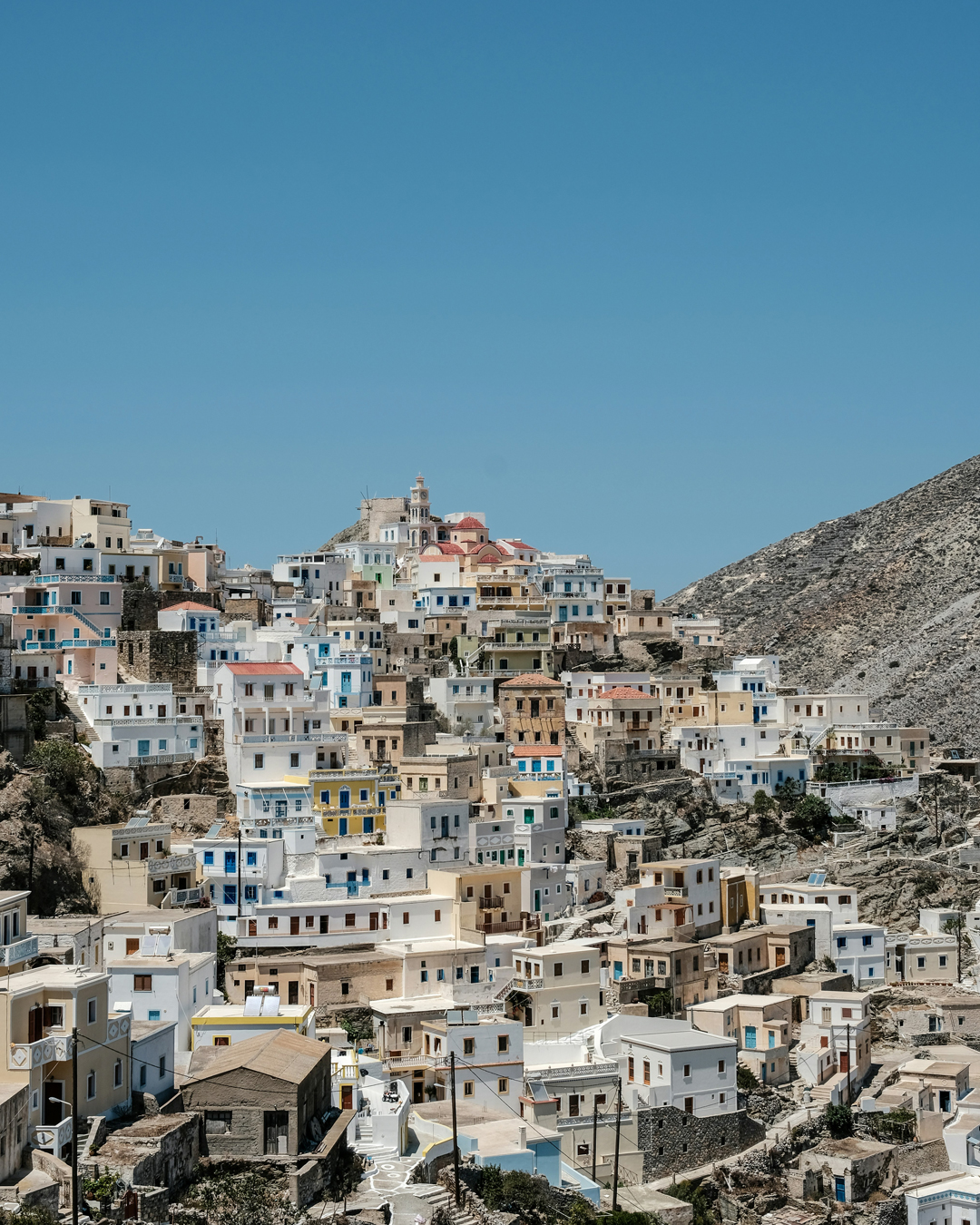
Olympos, Karpathos
Reaching Olympos feels like arriving somewhere entirely separate from the rest of the island. Built high in the mountains of northern Karpathos, the village has preserved traditions that have faded elsewhere. Colorful houses line the ridge, windmills overlook the sea and local customs remain part of everyday life rather than something performed for visitors. The setting is dramatic, but it is the sense of continuity that makes Olympos memorable.
Anogeia, Crete
High on the slopes of Mount Psiloritis, Anogeia offers a very different vision of island life. The landscape is rugged, the traditions deeply rooted and the connection to local identity remains remarkably strong. Music, storytelling and hospitality continue to play an important role here, shaping the character of the village as much as its stone-built houses and mountain setting. Unlike many island destinations, Anogeia is not defined by the sea. Instead, it reveals a side of Crete shaped by altitude, history and a strong sense of place, one that feels both timeless and distinctly alive.