There comes a point in autumn when the house begins to change. The evenings grow cooler, the windows close a little earlier and someone announces that it is finally time to bring out the carpets. In Greek homes, the arrival of winter is rarely marked by a single occasion. Instead, it unfolds through a series of small domestic rituals, some practical, others passed down through generations, that quietly rearrange everyday life.
Carpets are unrolled, heavier blankets return, firewood is stacked and familiar recipes find their way back to the table. Some of these preparations are rooted in necessity, others have simply become part of the seasonal routine. Together, they signal a familiar shift. The home is getting ready for the colder months, one small gesture at a time.
The Great Carpet Return
Few household tasks announce the change of season quite like laying down the carpets. After spending the warmer months rolled up in storage or at the carpet cleaners, they return to living rooms, bedrooms and hallways, often accompanied by a thorough cleaning and a certain amount of furniture rearranging.
For generations, carpets have been as much about insulation as decoration. In older houses with stone floors, and in apartments with marble or tile, they provide welcome warmth underfoot. Traditional woven rugs, known as kilimia, are still found in many Greek homes, sometimes passed down through families or brought out only during the colder months. The process can become something of a household event. Sofas are moved, floors are cleaned and everyone is expected to help, whether they volunteered or not. Once the carpets are in place, the room feels different. The summer version of the house has officially retired.
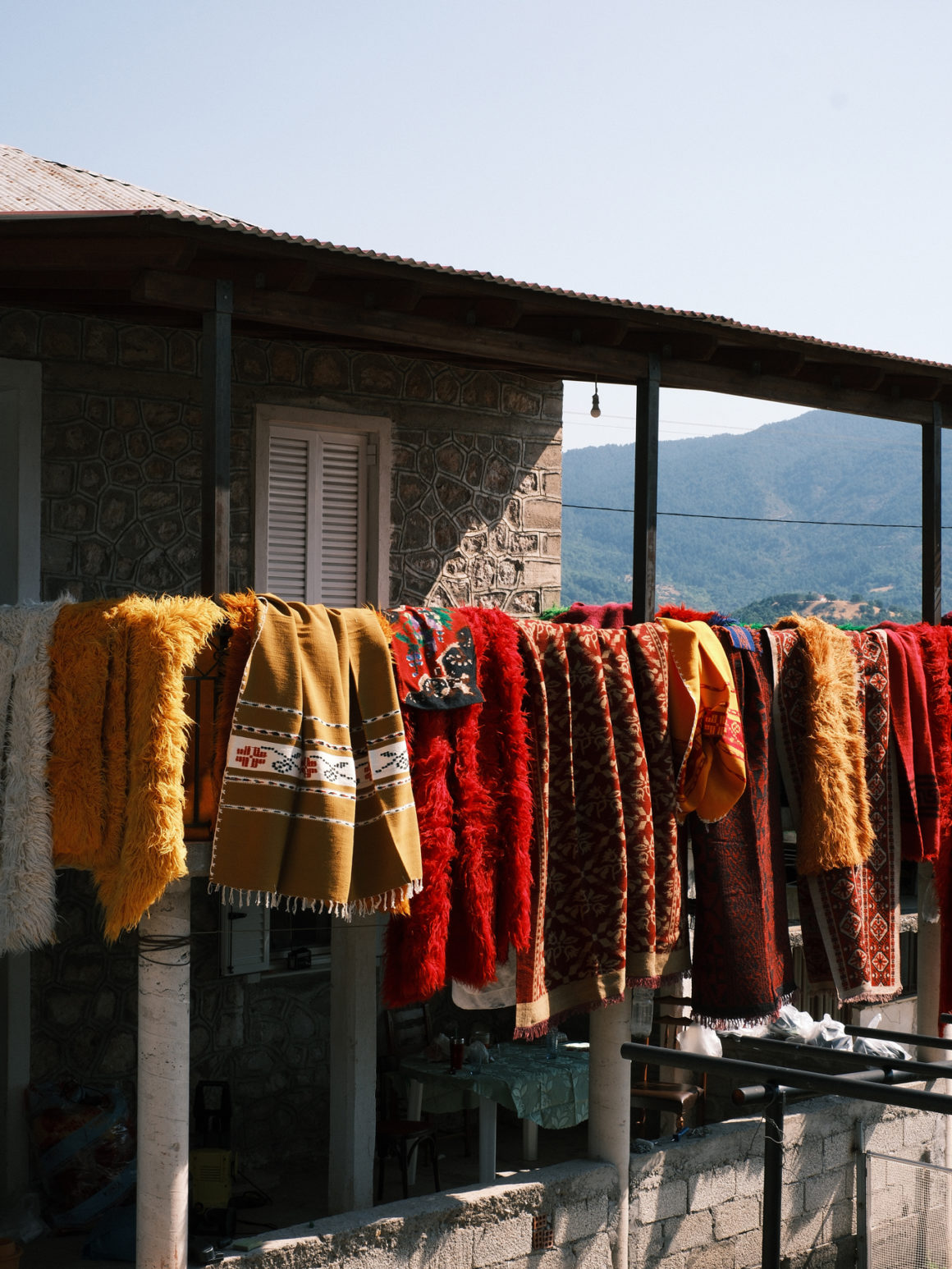
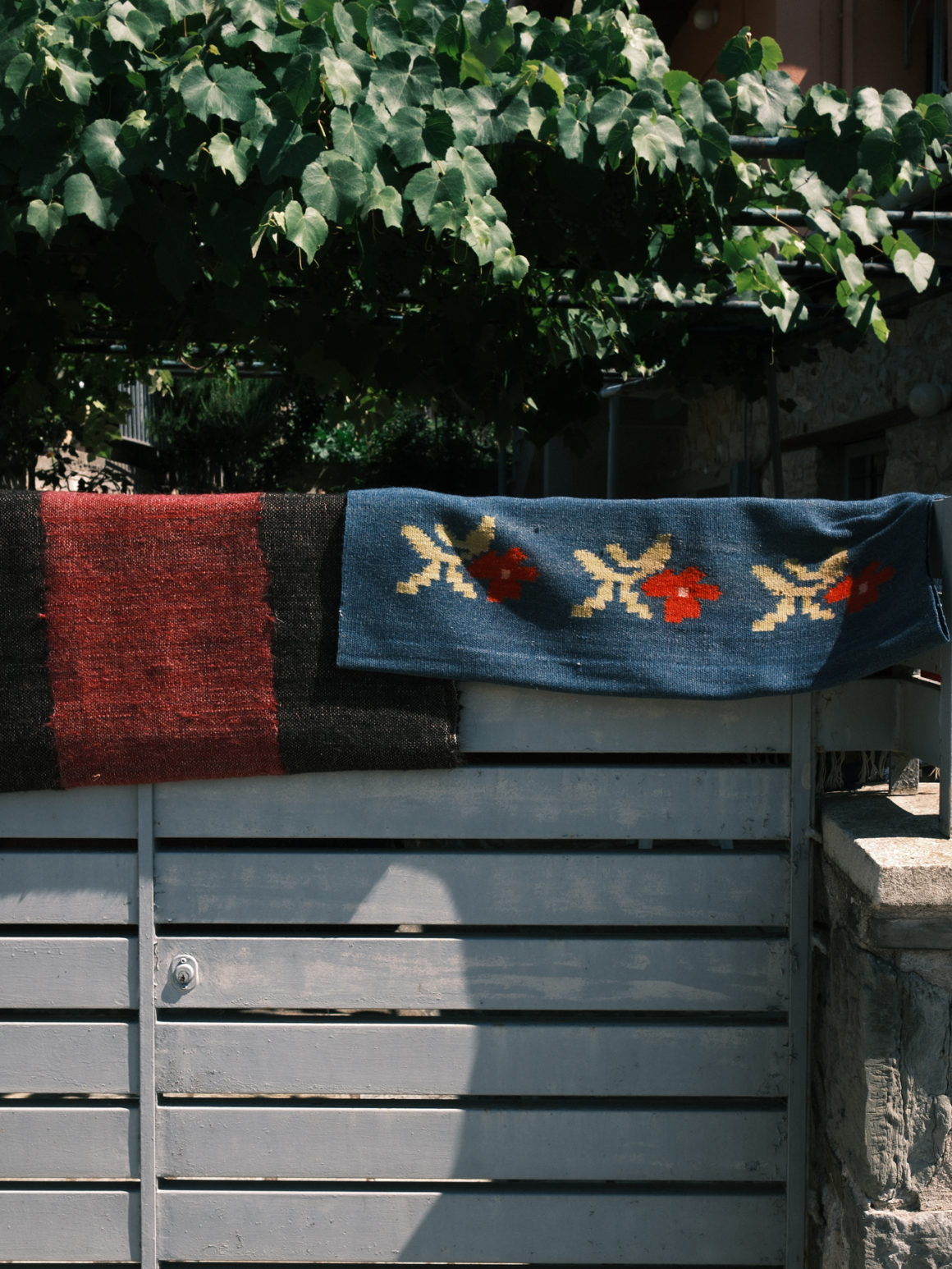
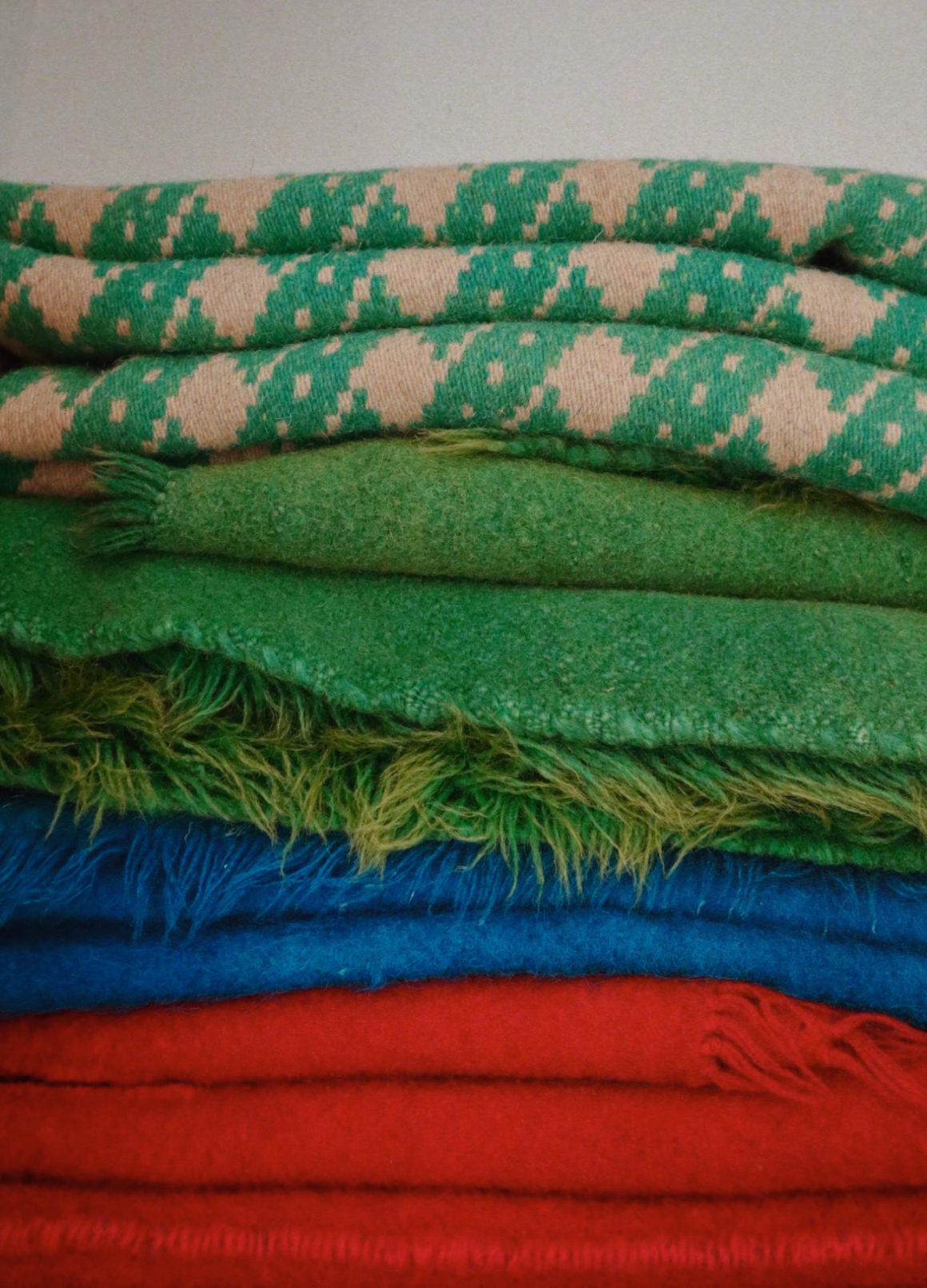
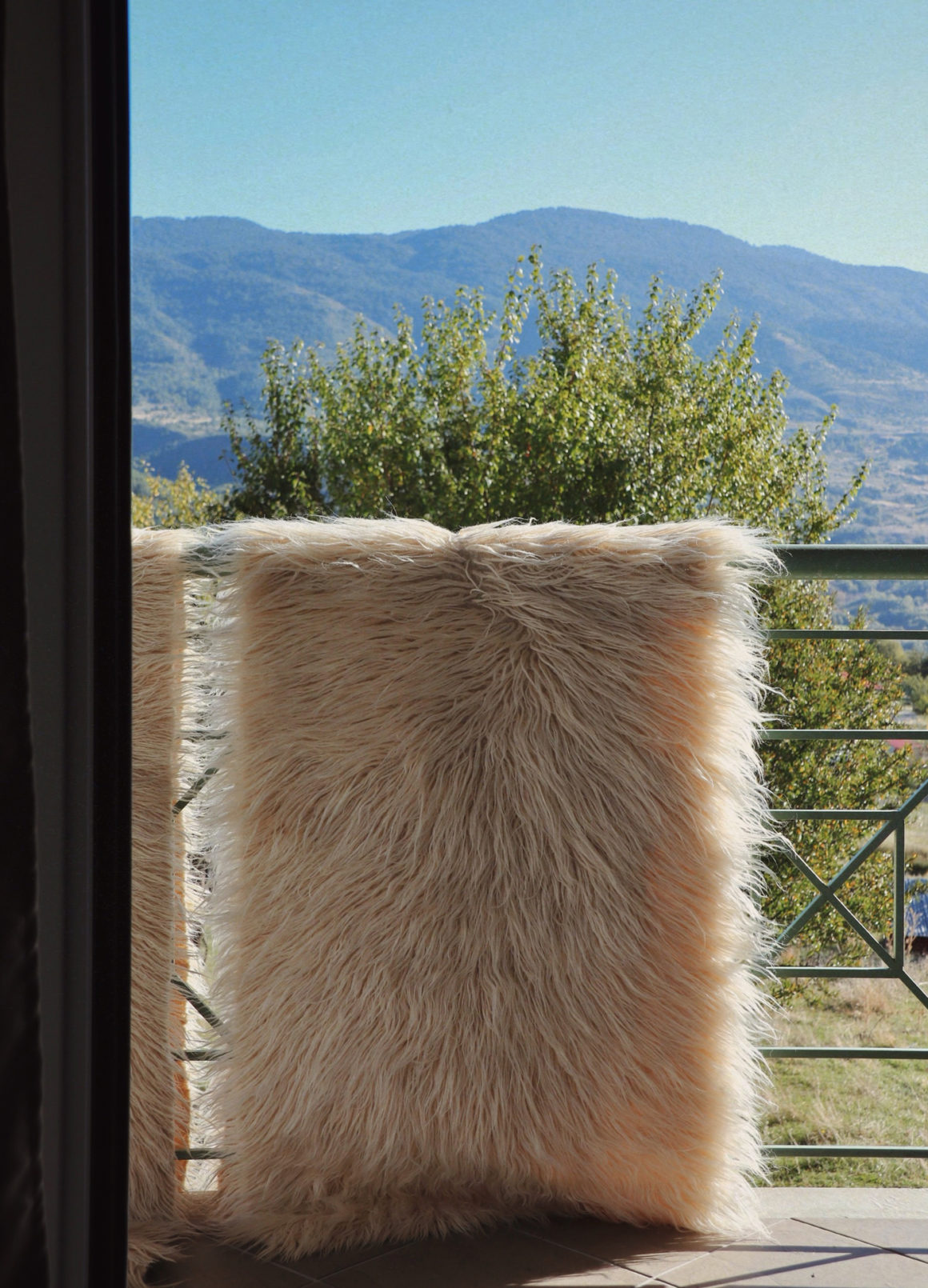
And it isn’t just the carpets making a comeback. Thick woollen blankets, woven throws and heavy bedcovers emerge from cupboards and storage chests, ready to reclaim their place on beds and sofas. Among them is the velentza, a traditional Greek woolen blanket, often handwoven and passed down through generations. Old or new, these familiar layers signal the same thing: the house is settling in for winter.
Keeping the Fire Going
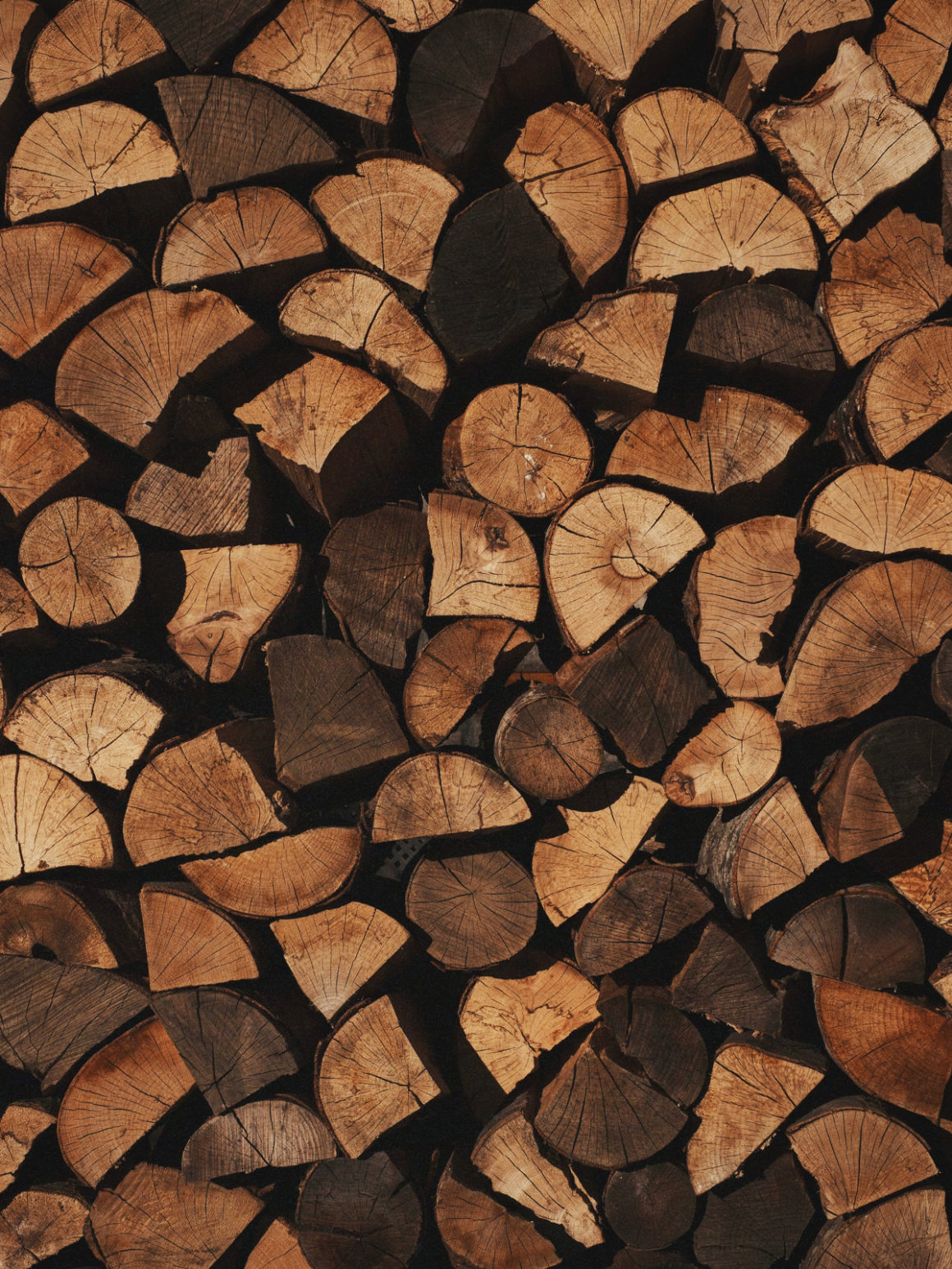
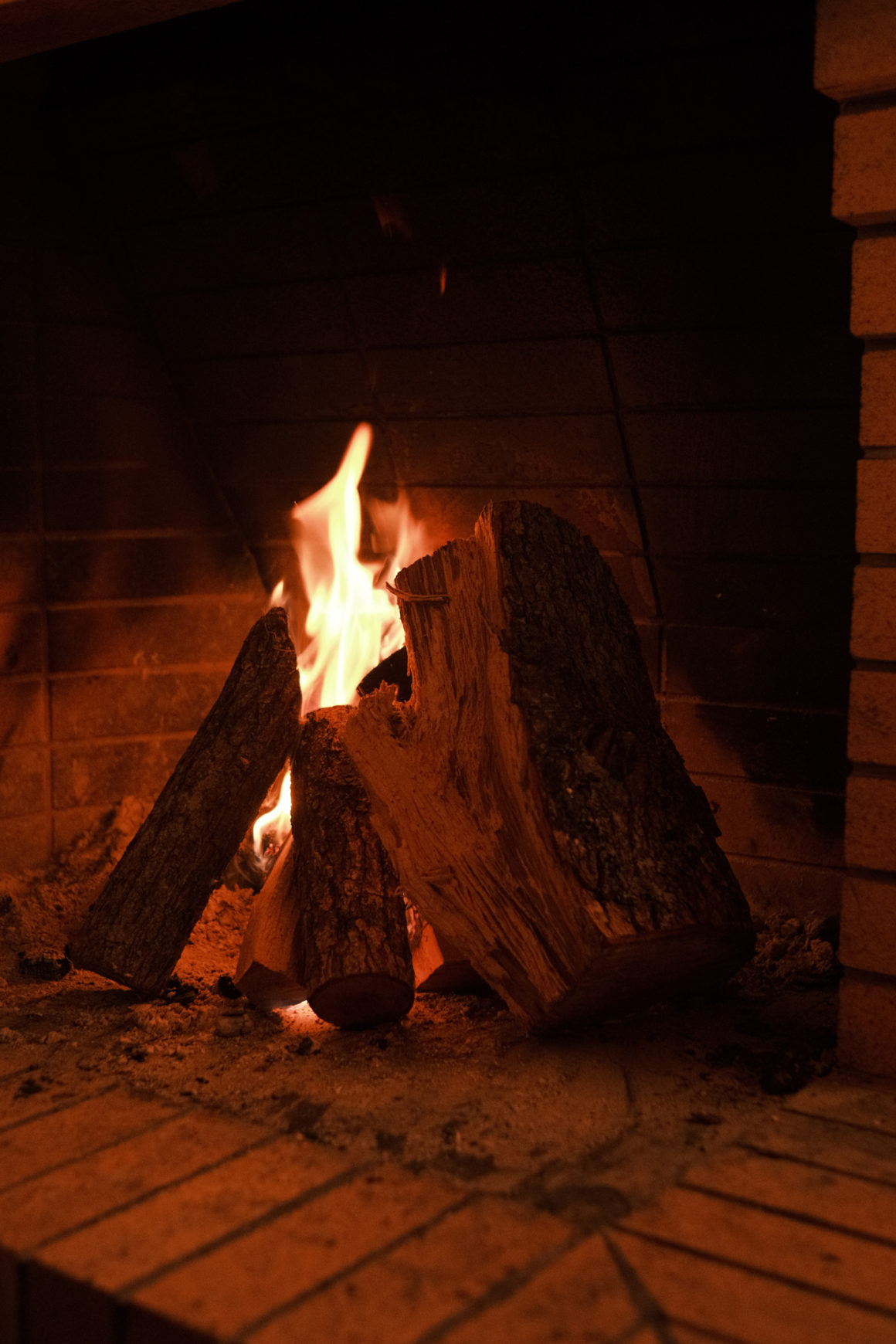
In Greece’s mountainous regions, preparing for winter can begin well before the first cold spell. Firewood is ordered, delivered and stacked in courtyards, sheds or covered corners, ready for the months ahead.
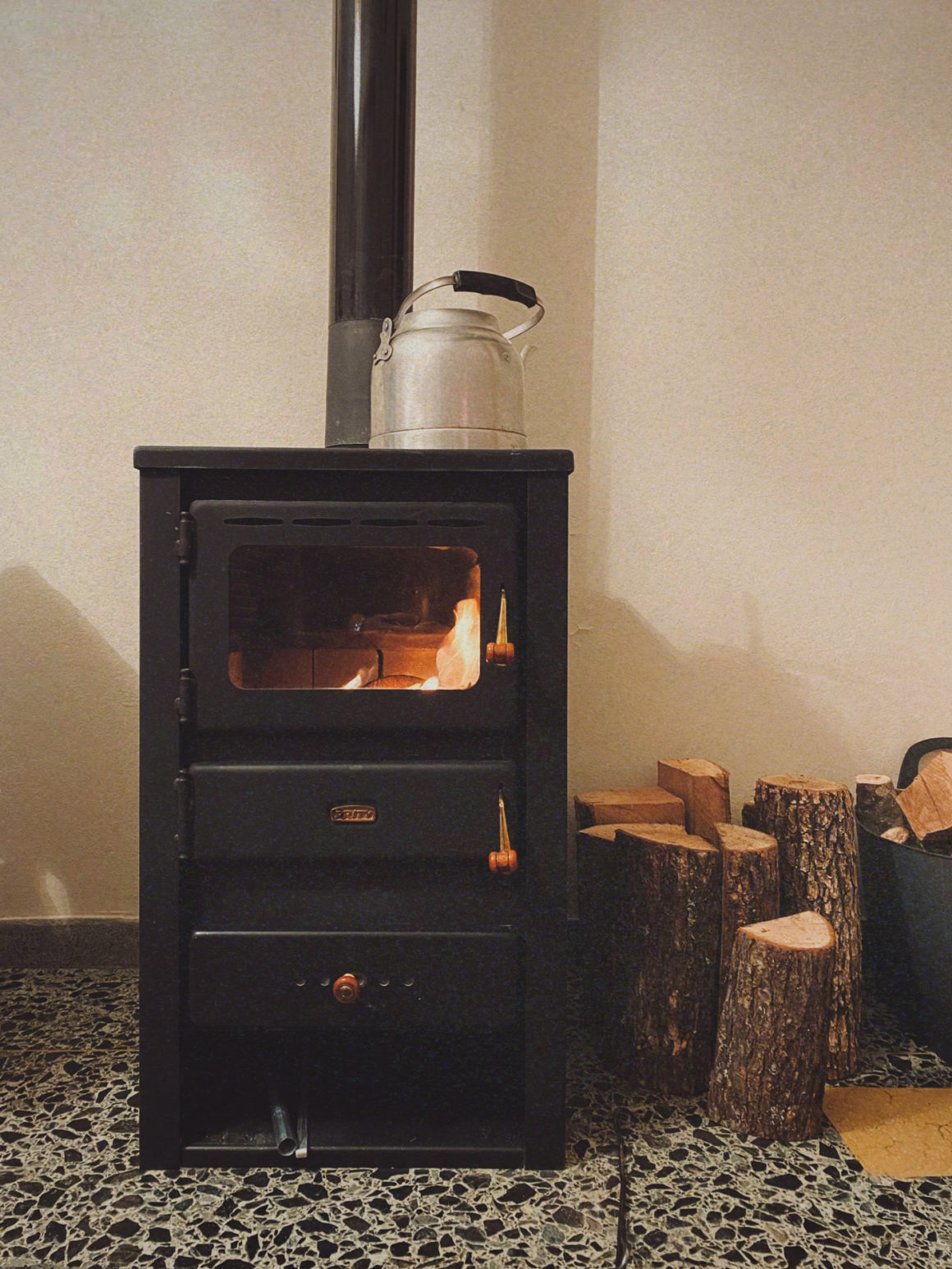
In villages across Epirus, Macedonia and the mountains of central Greece, wood-burning stoves and fireplaces remain familiar features of domestic life. Older homes were often organised around a central heated room, where cooking, eating and gathering took place during the coldest part of the year.
The fireplace has a particularly strong place in the image of the traditional Greek mountain home, although the reality of heating today is more varied. Radiators, heat pumps, electric heaters and wood-burning systems coexist, depending on the building, location and household budget.
Whatever the method, the first evening with the heating on marks a small seasonal milestone. Suddenly, the living room becomes the place everyone gravitates towards, and arguments about the ideal indoor temperature begin again.
Something on the Stove
The transition into winter also has a place in the kitchen. In many Greek households, the end of summer and the beginning of autumn have traditionally been associated with preserving the produce of the warmer months. Tomatoes are turned into sauces, peppers are roasted or pickled, and fruits become jams and glyka tou koutaliou, the spoon sweets traditionally offered to guests alongside a Greek coffee or a glass of cold water.
In rural homes, these practices were once essential ways of making seasonal ingredients last beyond their harvest. Some families still prepare large quantities together, following recipes that are rarely written down and measurements that depend more on experience than precision. Others keep just a few homemade jars in the cupboard, ready to be opened when the occasion calls for it.
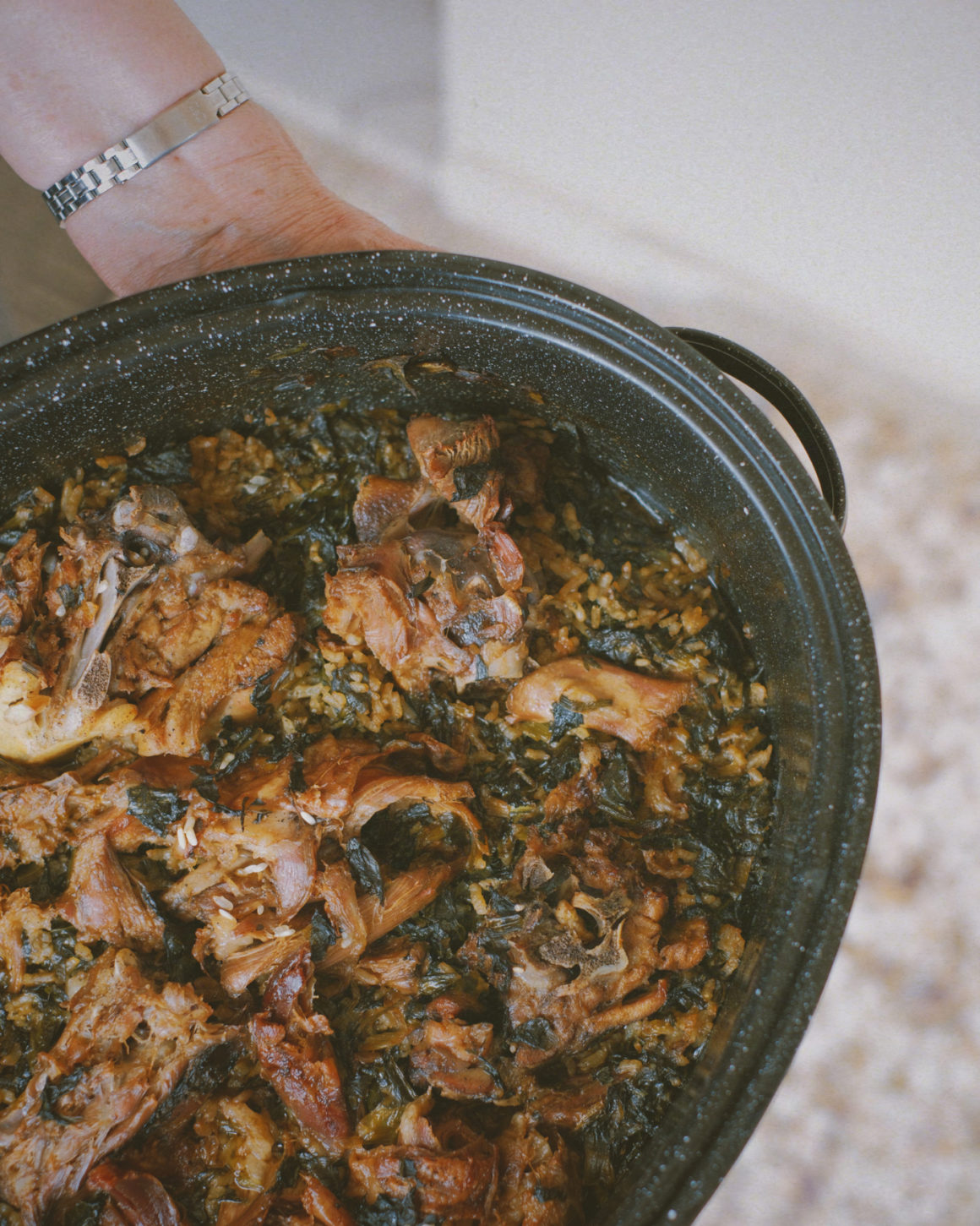
As the weather cools, the kitchen takes on a different rhythm. Beans, lentils and chickpeas return to regular rotation, alongside slow-cooked stews, oven-baked dishes and family recipes that take their time. A pot left simmering on the stove or a roasting tray brought straight to the table becomes part of the familiar comforts of the season.
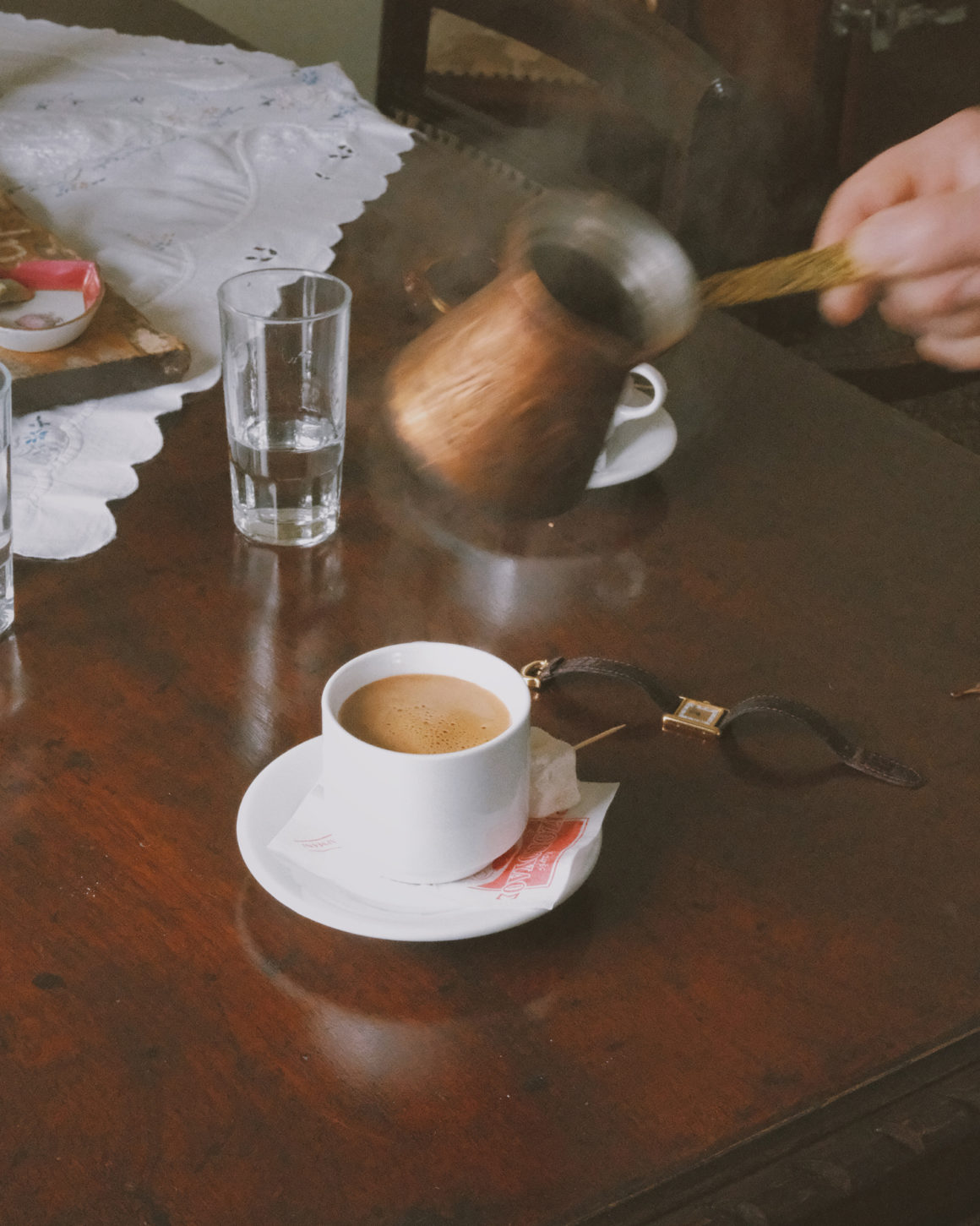
And then there are the smaller rituals that remain unchanged throughout the year but feel particularly welcome as the days grow shorter: a Greek coffee prepared at home, something sweet offered to a visitor, a conversation that lasts a little longer than expected.
Winter preparation, after all, is not only about what we put away for later. It is also about what we bring back to the table.
The House Moves Indoors
For much of the year, Greek domestic life extends beyond the walls of the house. Balconies become dining rooms, courtyards host afternoon coffees and open windows allow the sounds of the neighbourhood to become part of the daily routine.
As temperatures fall, these activities begin to move inside. Outdoor chairs are stacked or covered, plants are brought into more sheltered positions and the dining table becomes a gathering place once again.
The change is particularly noticeable in homes where summer is spent almost entirely outdoors. In villages, a courtyard that hosted long evenings with neighbours may become quiet for several months. In cities, the balcony door that remained open all summer is finally closed.
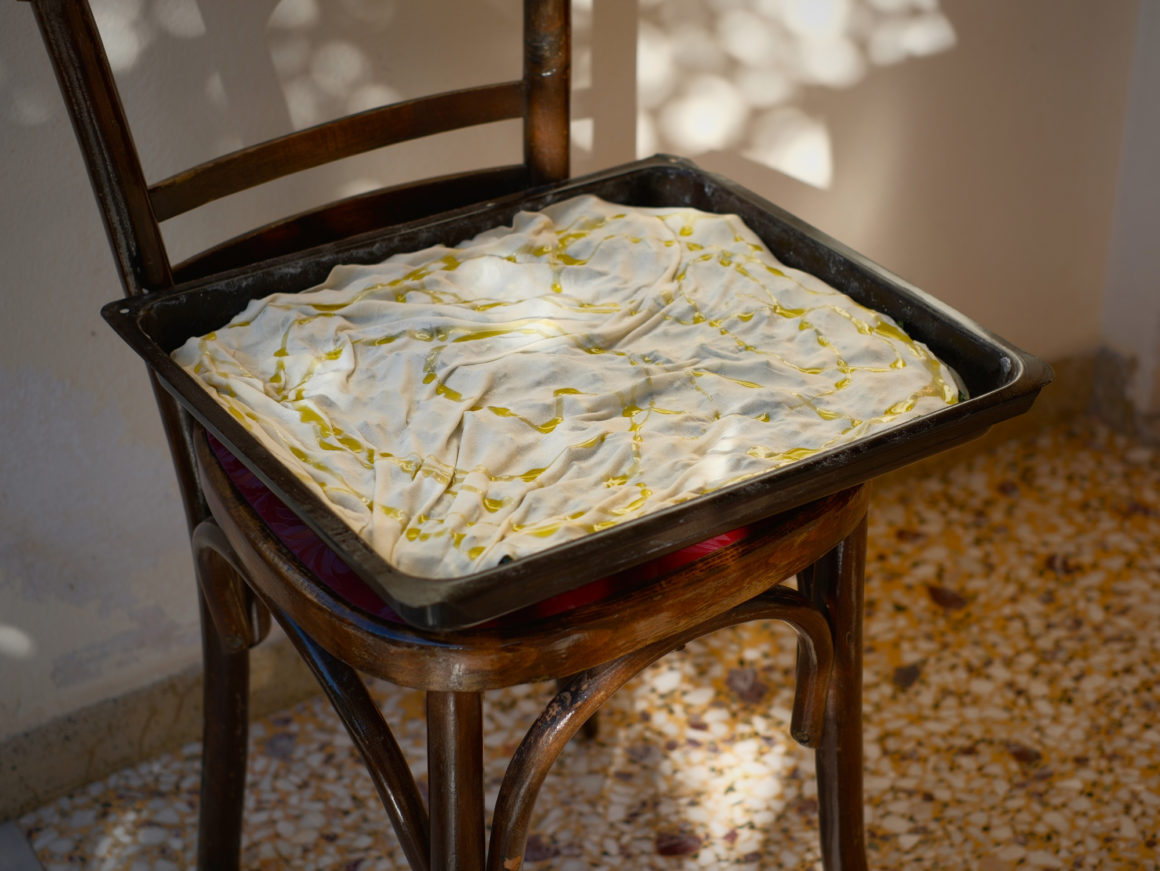
Hospitality changes with the season too. Coffee moves from the terrace to the kitchen table, visitors leave their coats by the entrance and meals become longer, warmer affairs. A pot of soup on the stove or something baking in the oven can be enough to make the house feel ready for company.
Making Room for Winter
Not every Greek household follows the same seasonal routine today. Modern insulation, central heating and smaller living spaces have changed the practical reasons behind many older customs. Yet certain habits remain surprisingly persistent. The annual wardrobe change, the washing and folding of summer bedding, the first thick blanket on the sofa and the familiar debate over whether it is too early to turn on the heating still mark the transition.
Many of these routines are learned almost unconsciously, through years of watching parents and grandparents prepare their homes for colder weather. Others have simply adapted to contemporary life, finding their place in modern apartments as naturally as they once did in village houses. A fireplace might still be the heart of one home, while elsewhere, warmth is found in a quiet corner, a favourite cup of coffee and a little time spent indoors.
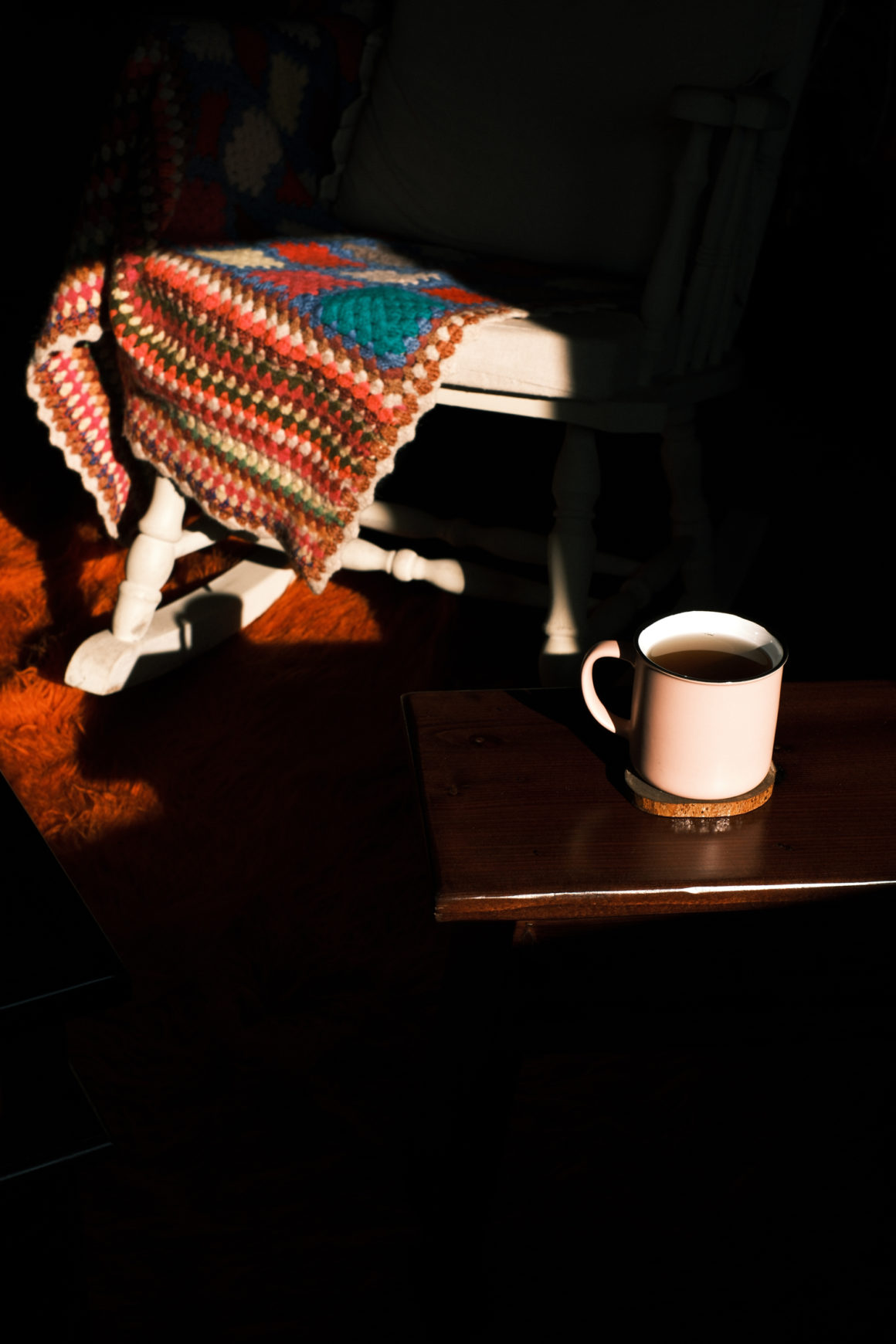
And winter rarely arrives all at once. There are still warm afternoons in October, open windows and the occasional meal outdoors. Meanwhile, a blanket appears on the sofa, summer clothes move to the top shelf, and someone decides it’s finally time to bring out the carpets.
In the end, getting a Greek home ready for winter is less about a grand transformation than a collection of small, familiar gestures. The house settles into a different rhythm, making room for the colder months and all the everyday rituals that come with them.