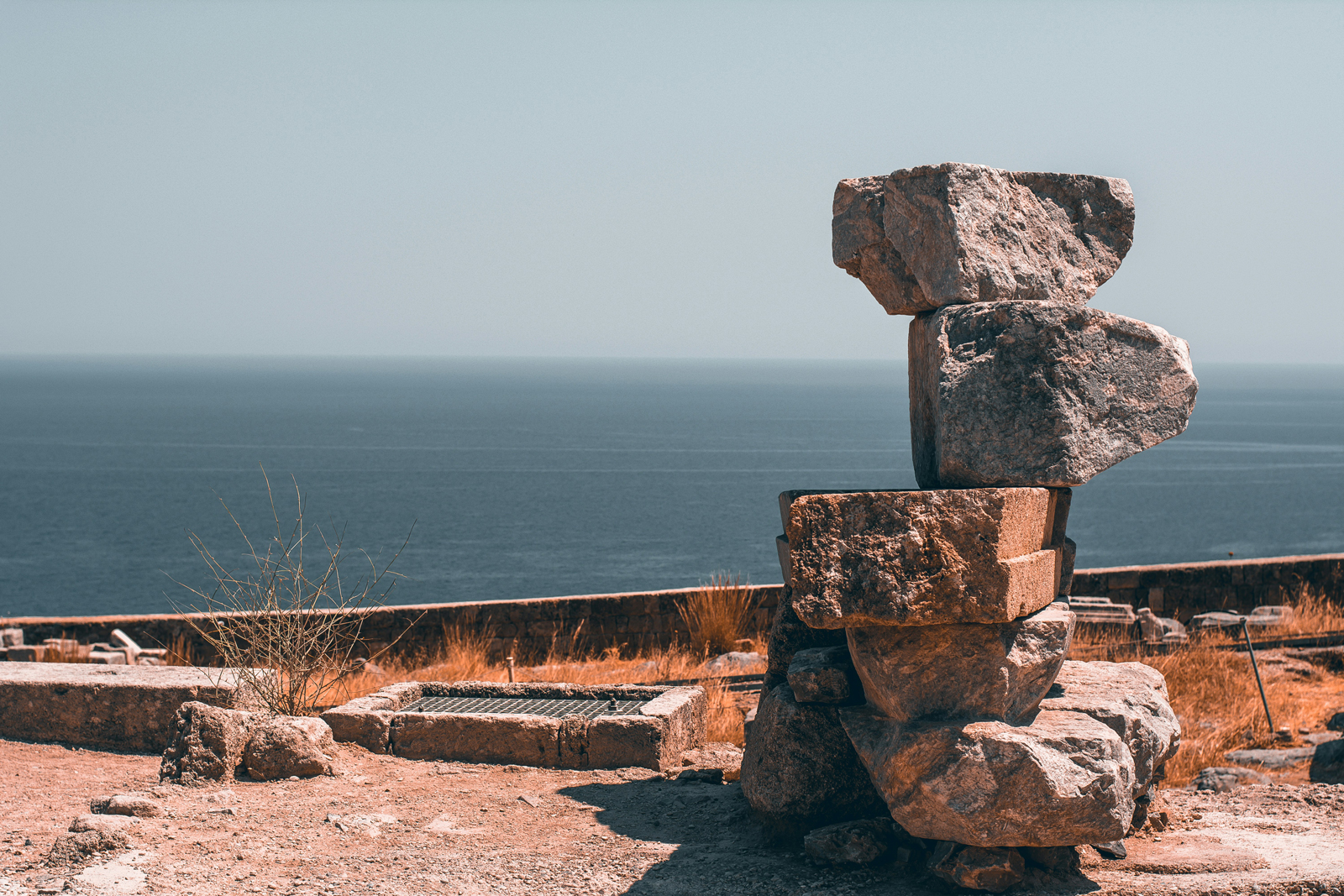
Ancient sites are often discussed through history, dates and mythology. Yet what makes many of them memorable is not always the story itself, but the setting. The way a temple sits above the sea. The scale of a theatre carved into a hillside. The changing colors of stone as the sun moves across the landscape.
In summer, these places take on a different character. Mornings arrive in soft light, afternoons cast long shadows across ancient walls and evenings transform familiar ruins into something almost cinematic. Across Greece, some archaeological sites are inseparable from the landscapes around them. Together, they create some of the country’s most remarkable summer scenes.
Sounion
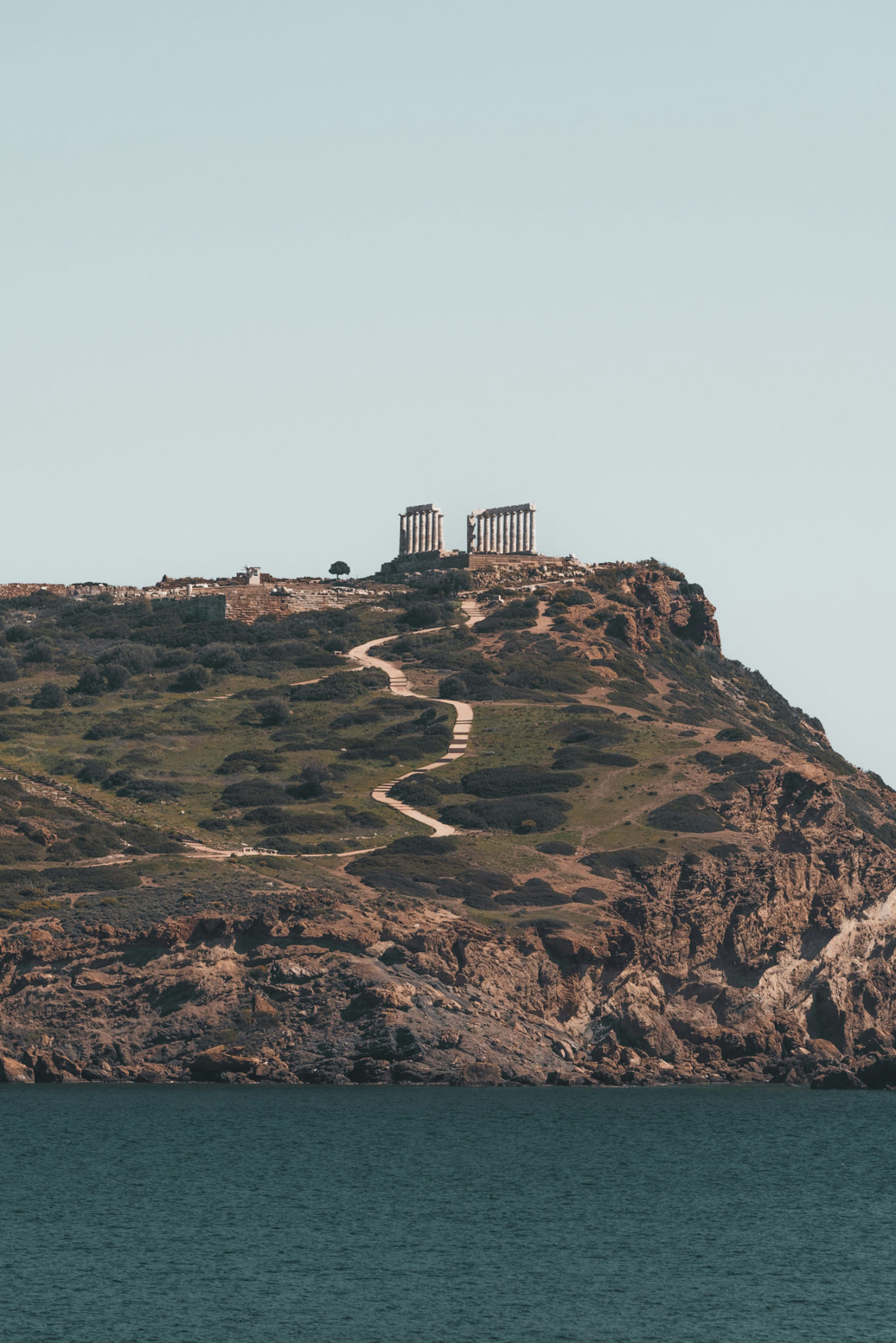
Few ancient sites are as closely tied to their setting as Sounion. Perched dramatically above the Aegean, the Temple of Poseidon has watched over the coastline for centuries. The journey there is part of the experience, with the sea appearing and disappearing alongside the road before revealing itself completely at the edge of the cape.
As the day unfolds, the temple and landscape seem to shift together. The stone catches the changing light while the horizon stretches endlessly beyond it, creating one of the most recognizable views in Greece.
Delos
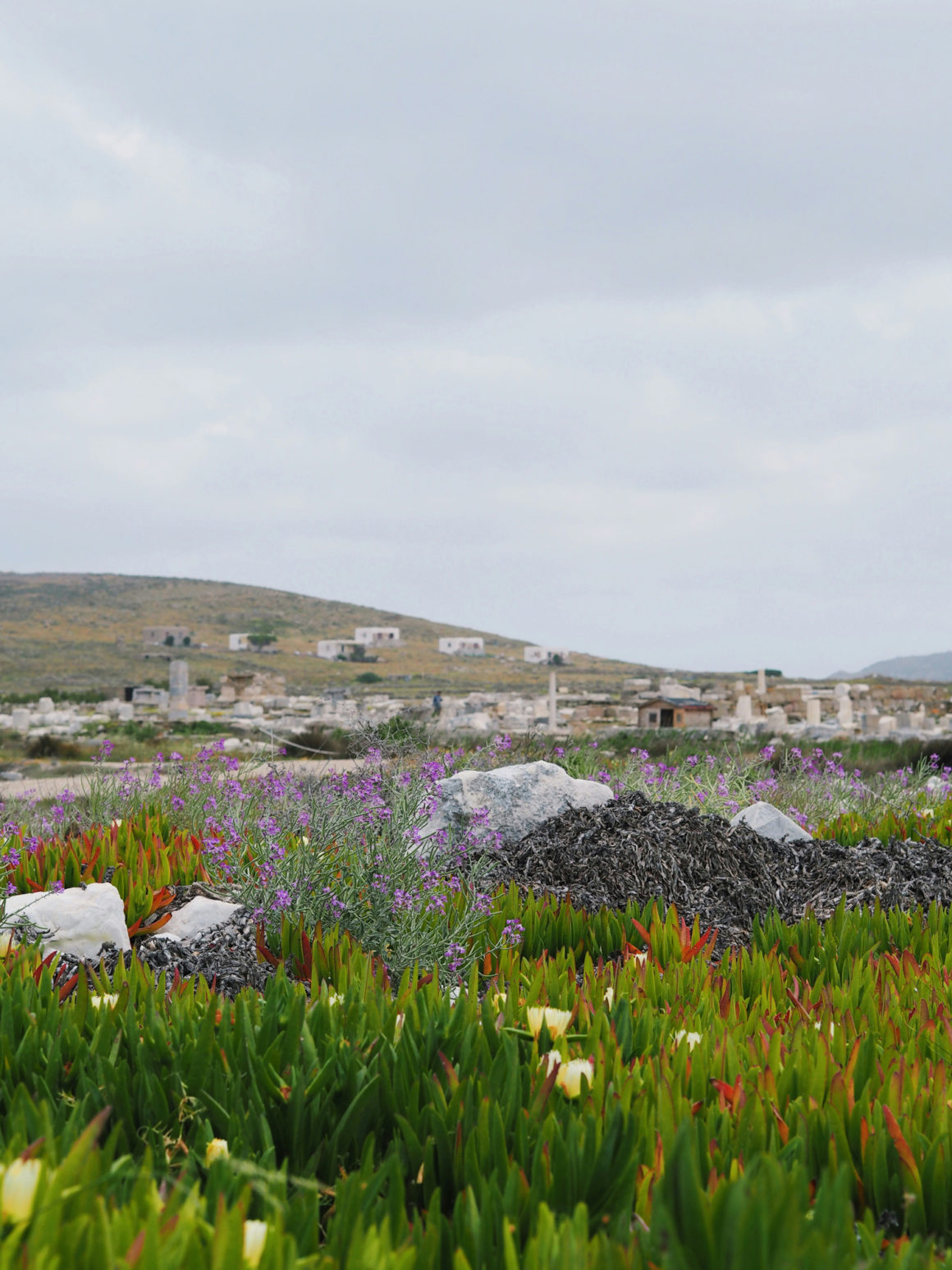
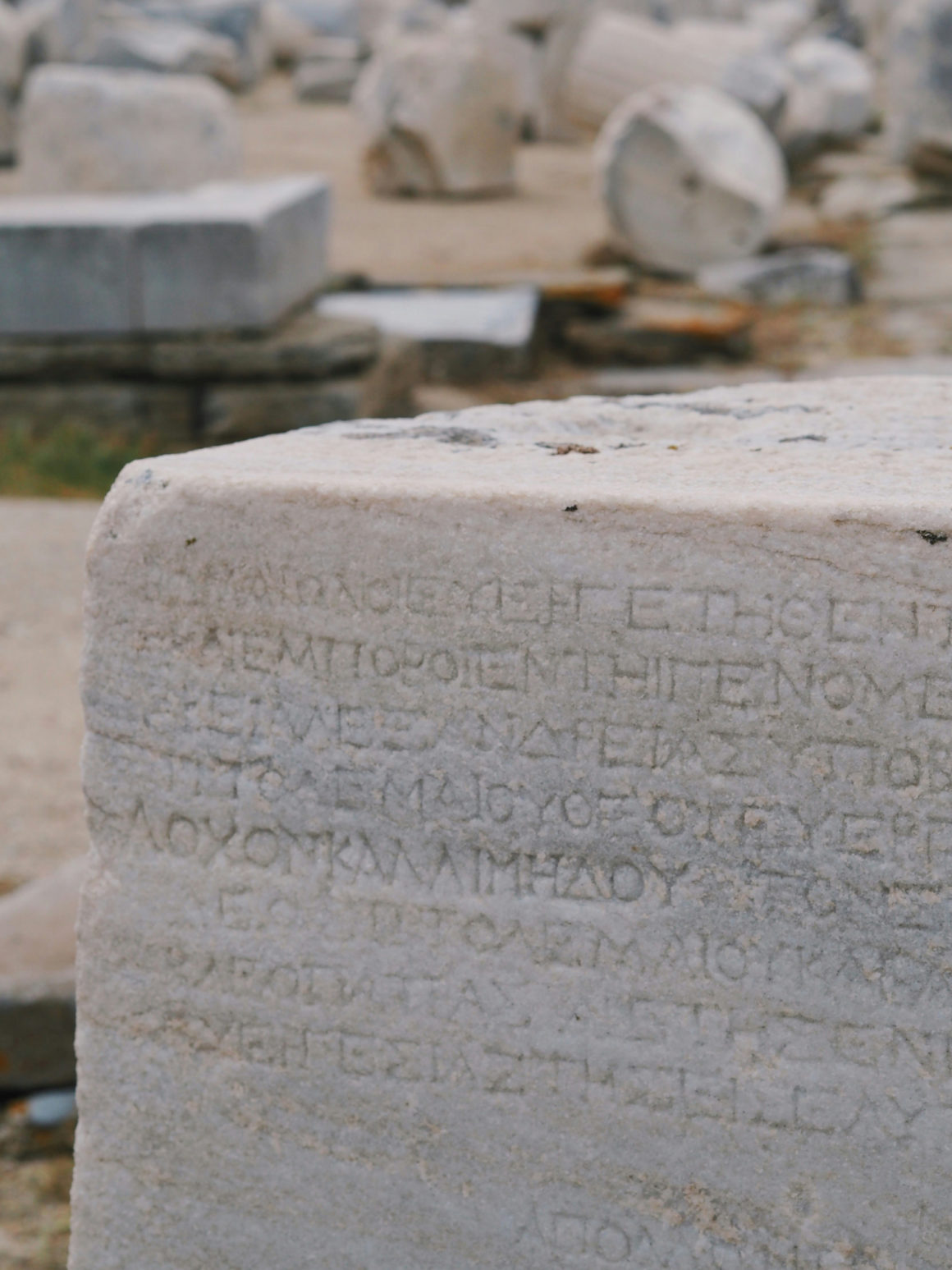
Here, history feels so completely embedded in the landscape. Once one of the most important religious and commercial centres of the ancient world, Delos sits quietly among the Cyclades, surrounded by sea and sky. There are no villages, no traffic and no distractions from the scale of the site itself.
Ancient streets, temples, houses and mosaics unfold across the island, creating the impression of an entire city suspended in time.
Delphi
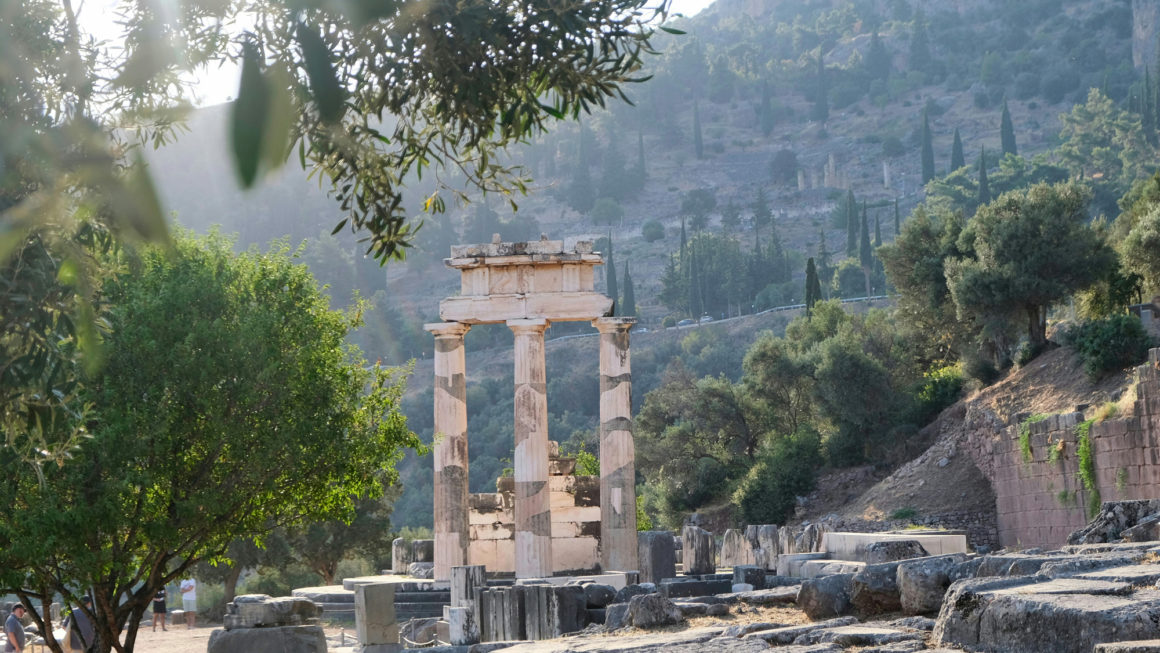
Delphi is often described as the center of the ancient world, but what stays with most visitors is the landscape. The sanctuary unfolds along the slopes of Mount Parnassus, overlooking olive groves that seem to stretch endlessly towards the Corinthian Gulf. The ruins never feel separate from their surroundings. Instead, they appear woven into the mountainside itself.
The result is a place where history and nature feel inseparable.
Ancient Olympia
Many first-time visitors are surprised by the atmosphere of Olympia. The site sits among trees and open green spaces, creating a softer landscape than many expect. Walking through the ancient stadium, temples and pathways, it is easy to imagine the gatherings and ceremonies that once brought people here from across the Greek world.
The setting feels expansive yet calm, inviting visitors to move slowly through it.
Epidaurus
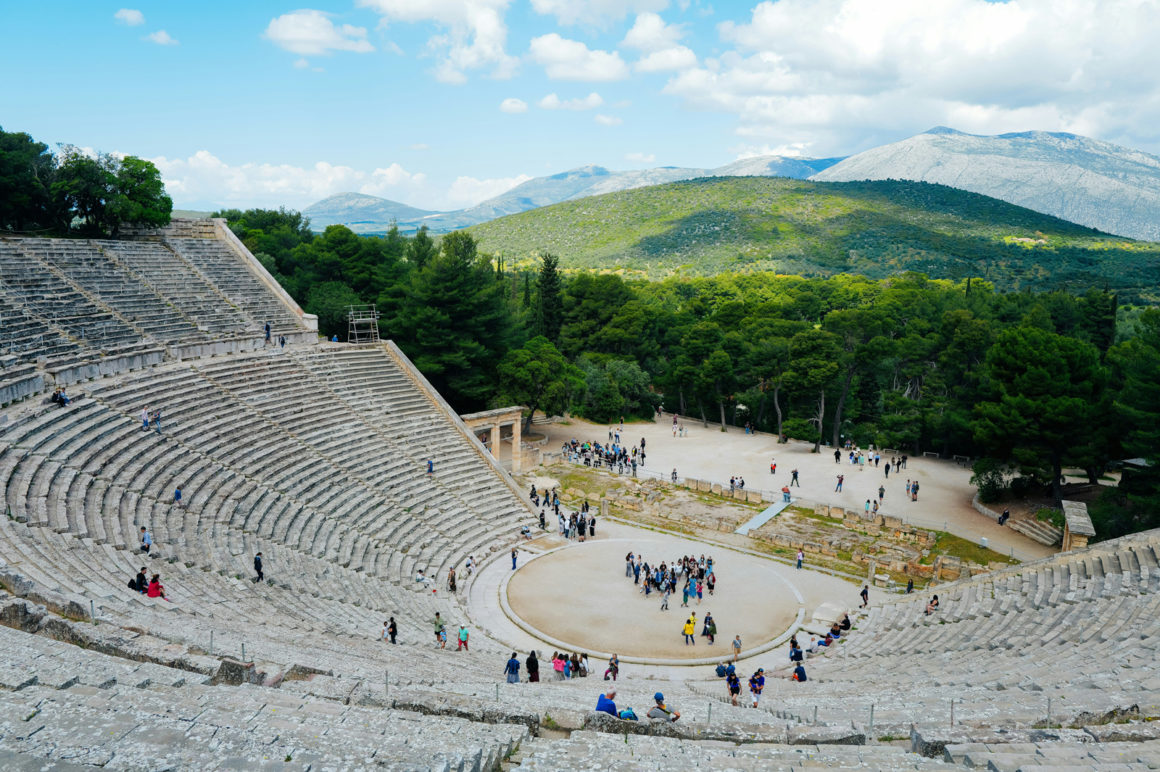
Nestled among pine-covered hills in the Peloponnese, Epidaurus feels remarkably connected to its surroundings. The ancient theatre is, of course, the focal point. Its perfect proportions and extraordinary acoustics continue to draw visitors from around the world. Yet part of its appeal lies in the setting itself. The stone seats seem to emerge naturally from the hillside, framed by trees and open sky.
In summer, the landscape becomes part of the performance. Whether visiting during the day or attending an evening production at the theatre, it is difficult to separate the monument from the environment that surrounds it.
Mycenae
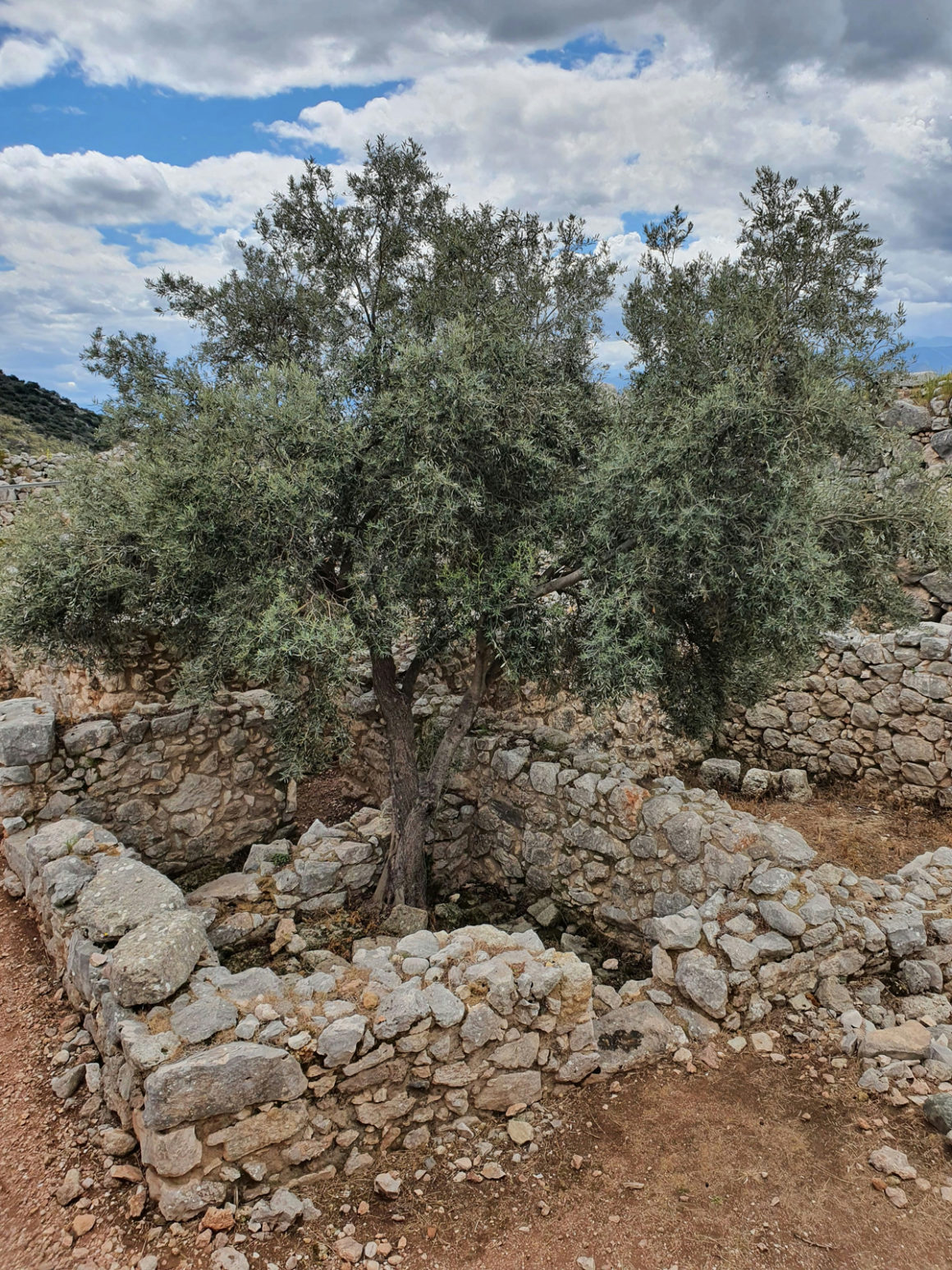
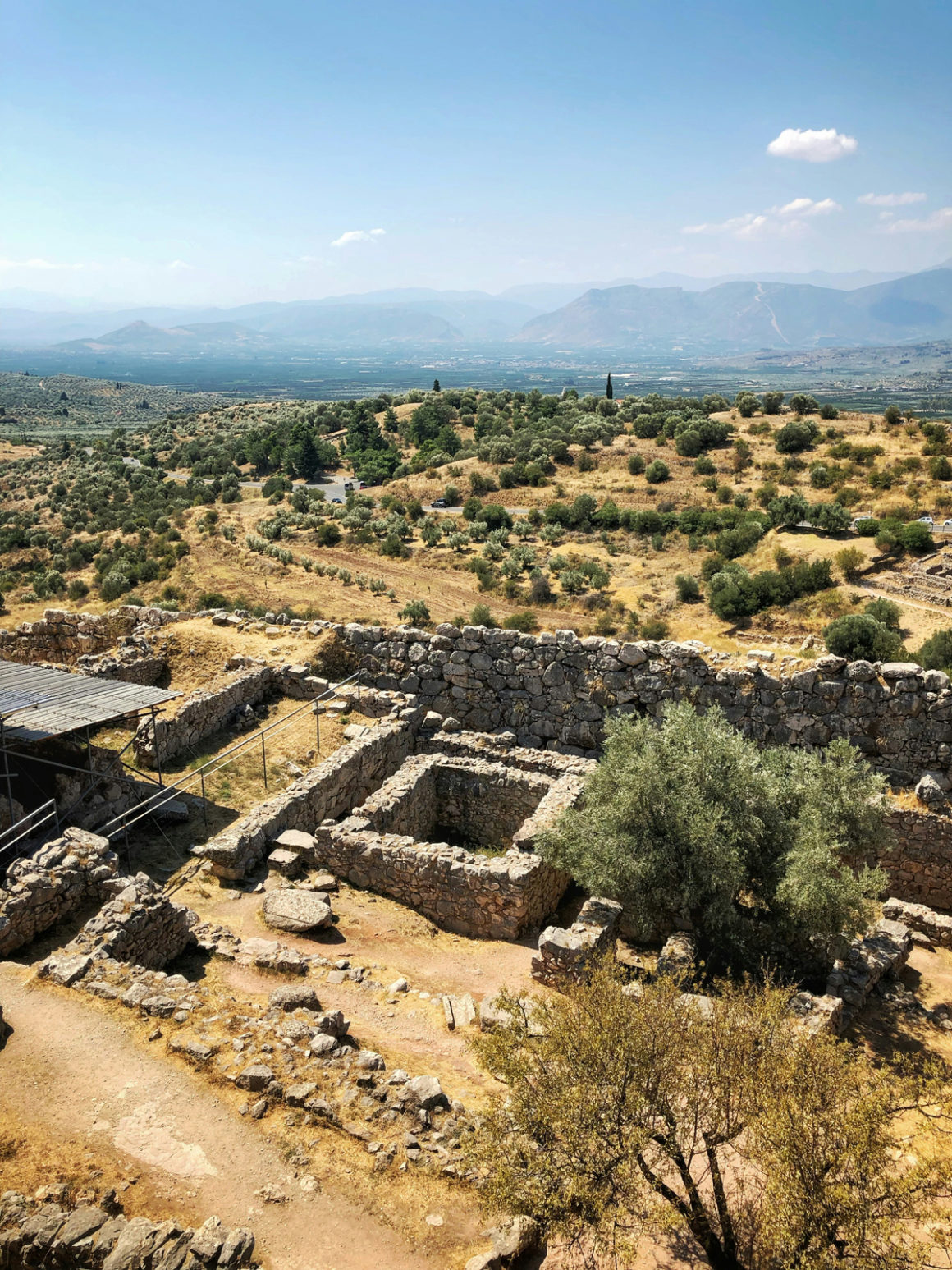
There is something unmistakably dramatic about Mycenae. The Lion Gate, the Cyclopean walls and the surrounding hills create a landscape that feels almost mythological. Standing among the remains of one of the most powerful centres of the Bronze Age, it becomes easy to see how stories of kings, warriors and legends became attached to this place.
The surrounding countryside only adds to the sense of grandeur.
Temple of Aphaia
Set among pine trees on a hill overlooking the Saronic Gulf, the Temple of Aphaia feels quietly removed from the bustle of the island below. The temple is often celebrated for its role within the so-called sacred triangle formed with the Parthenon and the Temple of Poseidon at Sounion. Yet what leaves the strongest impression is the setting itself.
The scent of pine, the distant view of the sea and the simplicity of the landscape create an atmosphere that feels both peaceful and timeless.
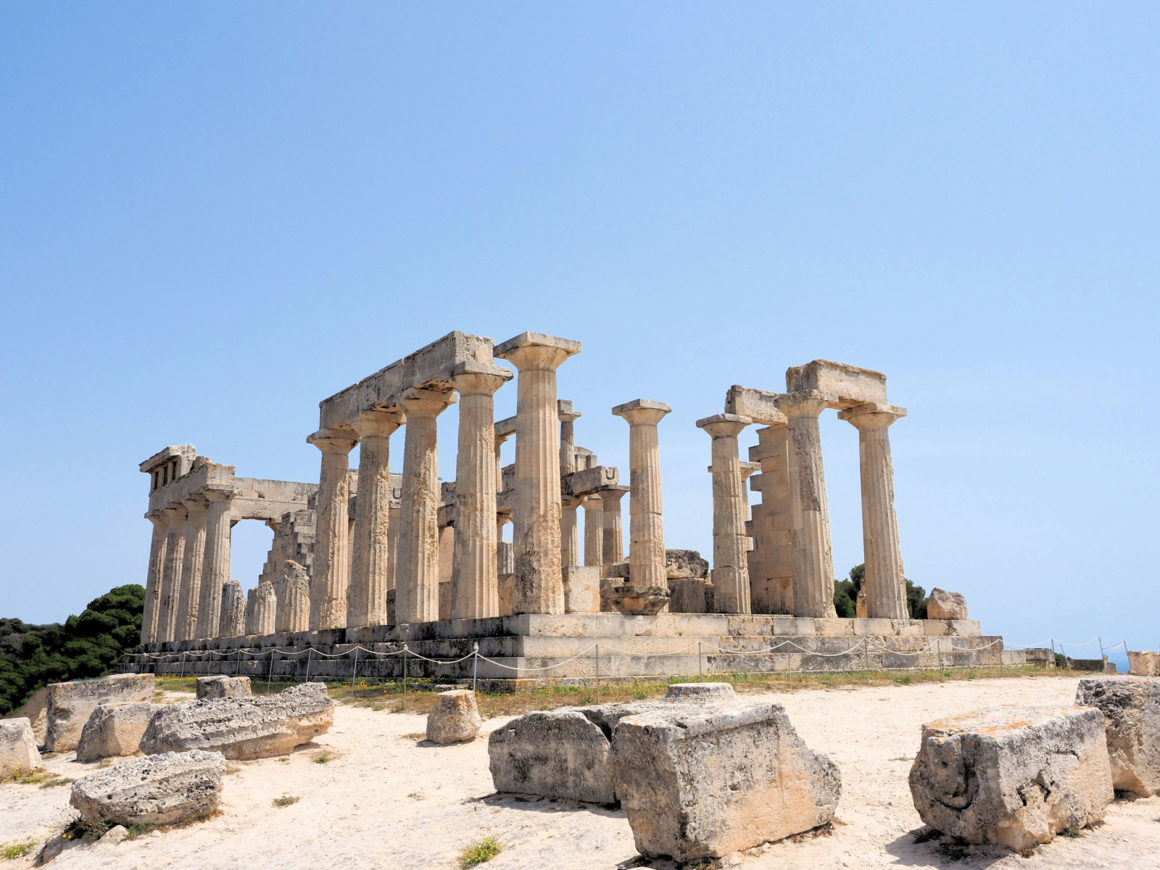
Akrotiri
Beneath a protective shelter on Santorini lies one of the most remarkable prehistoric settlements in the Mediterranean. Many visitors know Akrotiri for the nearby Red Beach, one of the island’s most photographed landscapes. Yet just a short distance away lies a site that tells a much older story. Preserved beneath volcanic ash for centuries, the ancient settlement offers a rare opportunity to walk through the streets of a thriving prehistoric town, tracing the outlines of homes, squares and public spaces.
The result feels surprisingly immediate, as though the city has simply been waiting to be rediscovered.
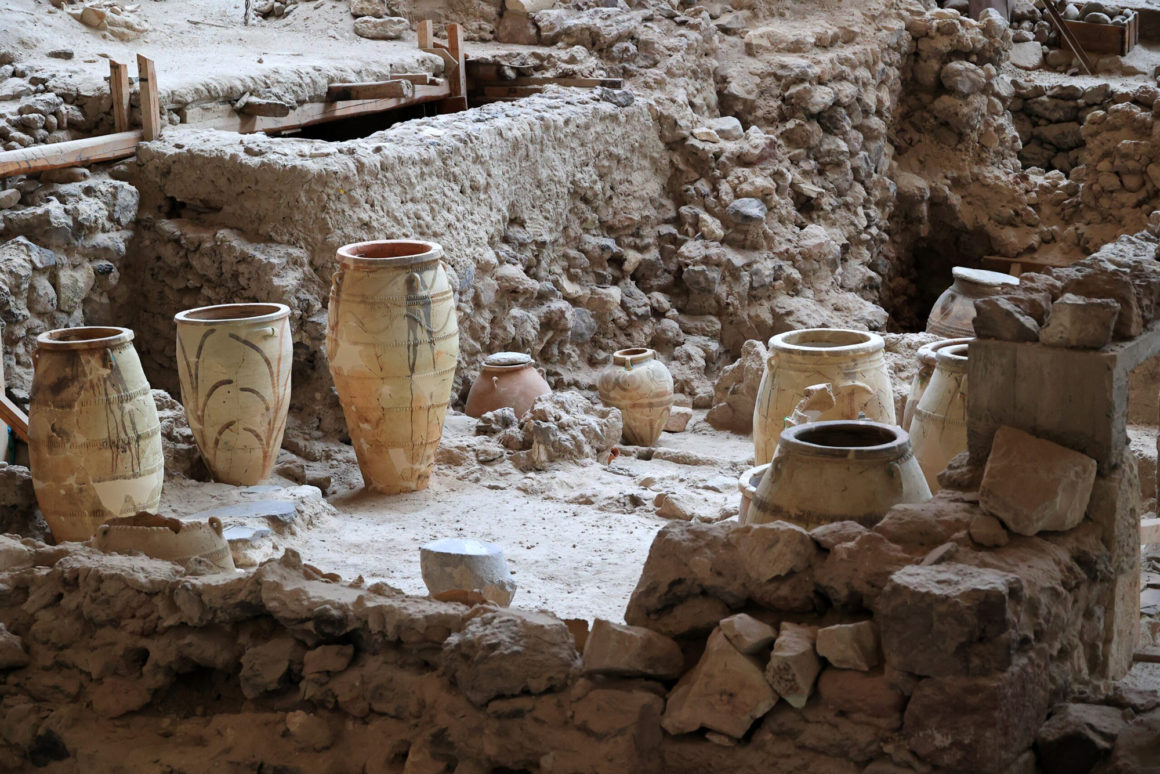
Ancient Thera
High above the coastline of Santorini, Ancient Thera occupies one of the most dramatic settings of any archaeological site in Greece. The ruins stretch across the ridge of Mesa Vouno, where views extend over both sides of the island and the Aegean beyond. Walking through the remains of streets, sanctuaries and public buildings, it is impossible to ignore the landscape surrounding them.
History and horizon share equal attention here.
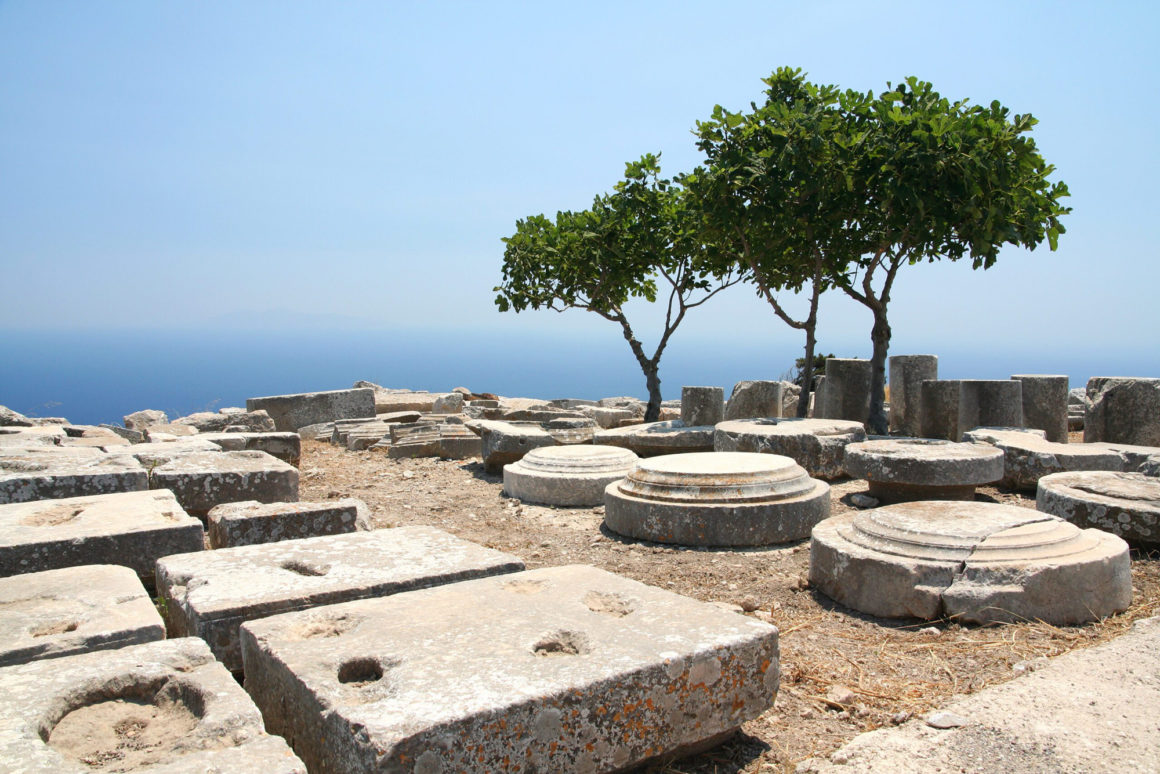
Asklepieion of Kos
Built across a series of terraces overlooking the island, the Asklepieion of Kos reflects the close relationship between healing and nature in the ancient world. Dedicated to Asclepius, the god of medicine, the sanctuary was once among the most important healing centres in Greece. Today, visitors move between columns, stairways and open spaces framed by cypress trees and distant sea views.
The sense of calm remains very much part of the experience.
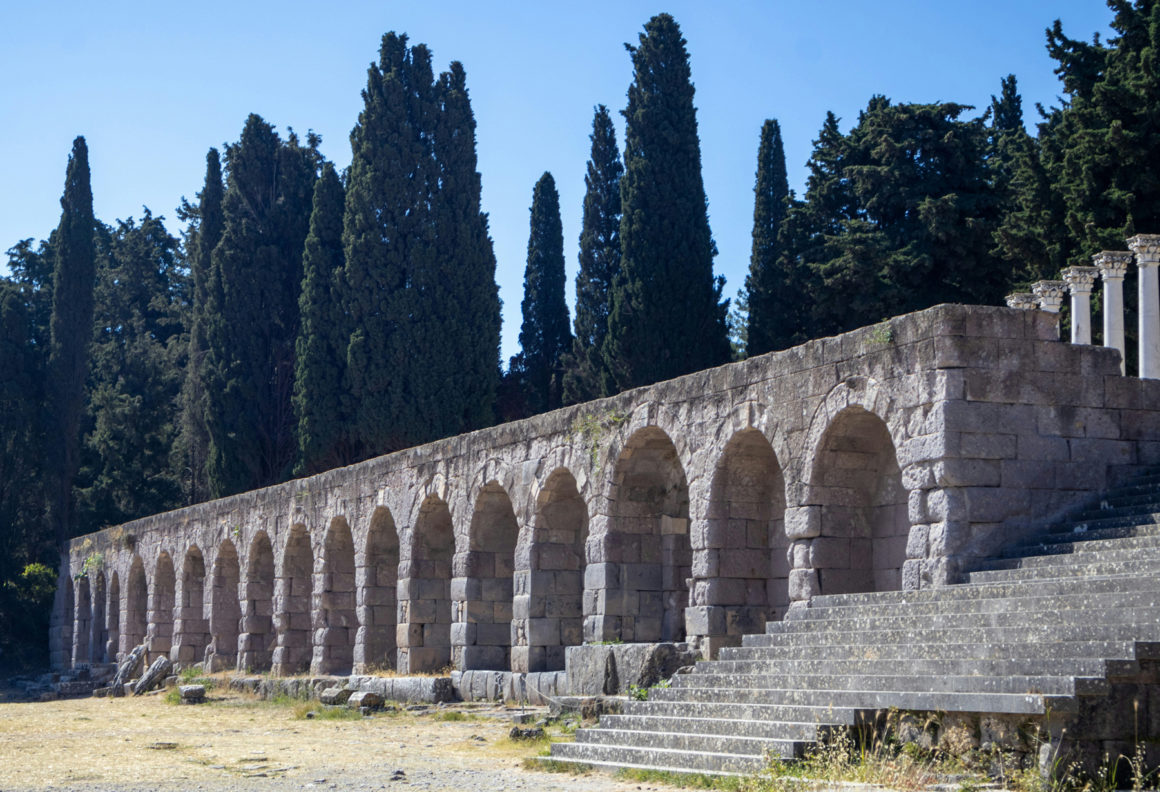
Acropolis of Lindos
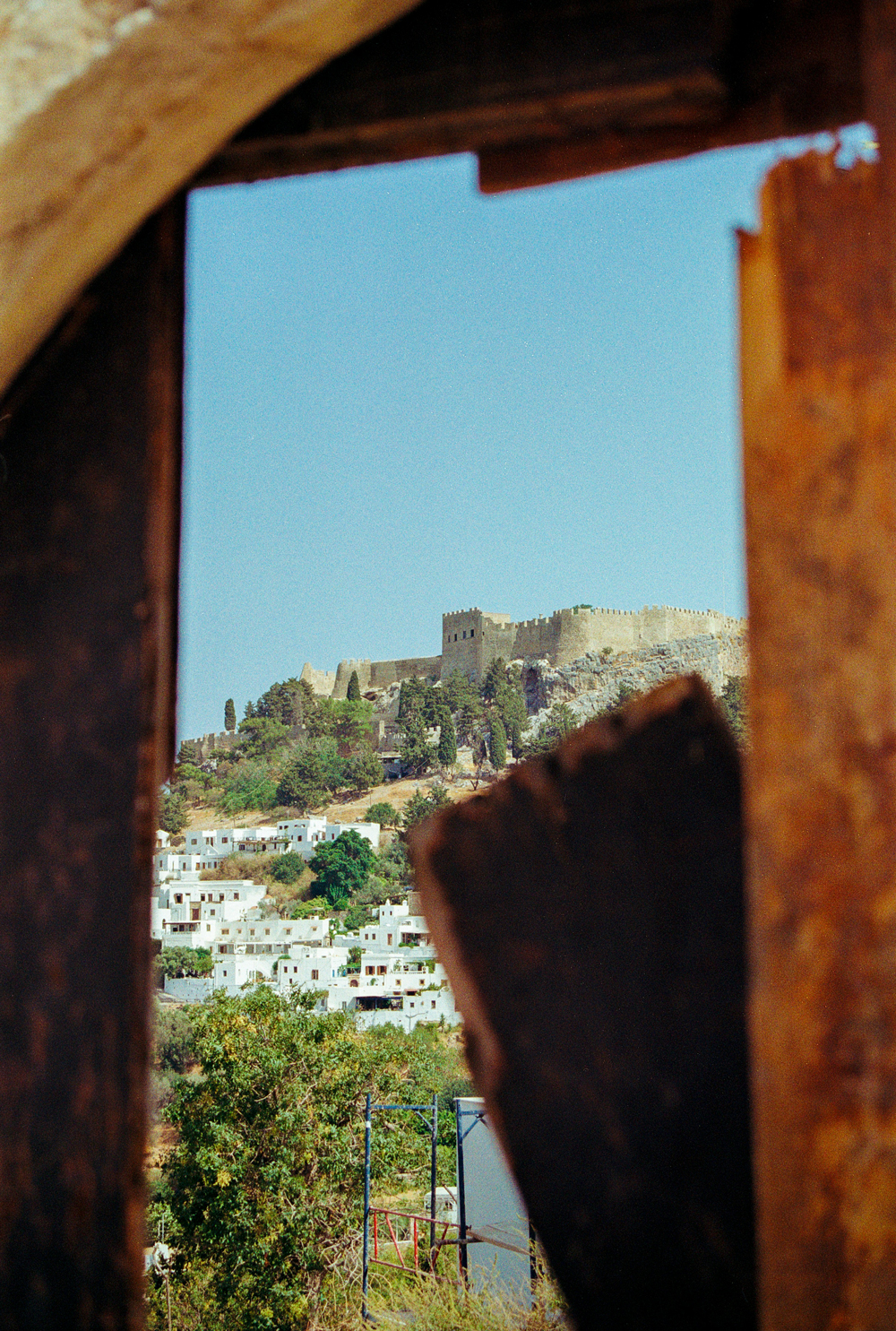
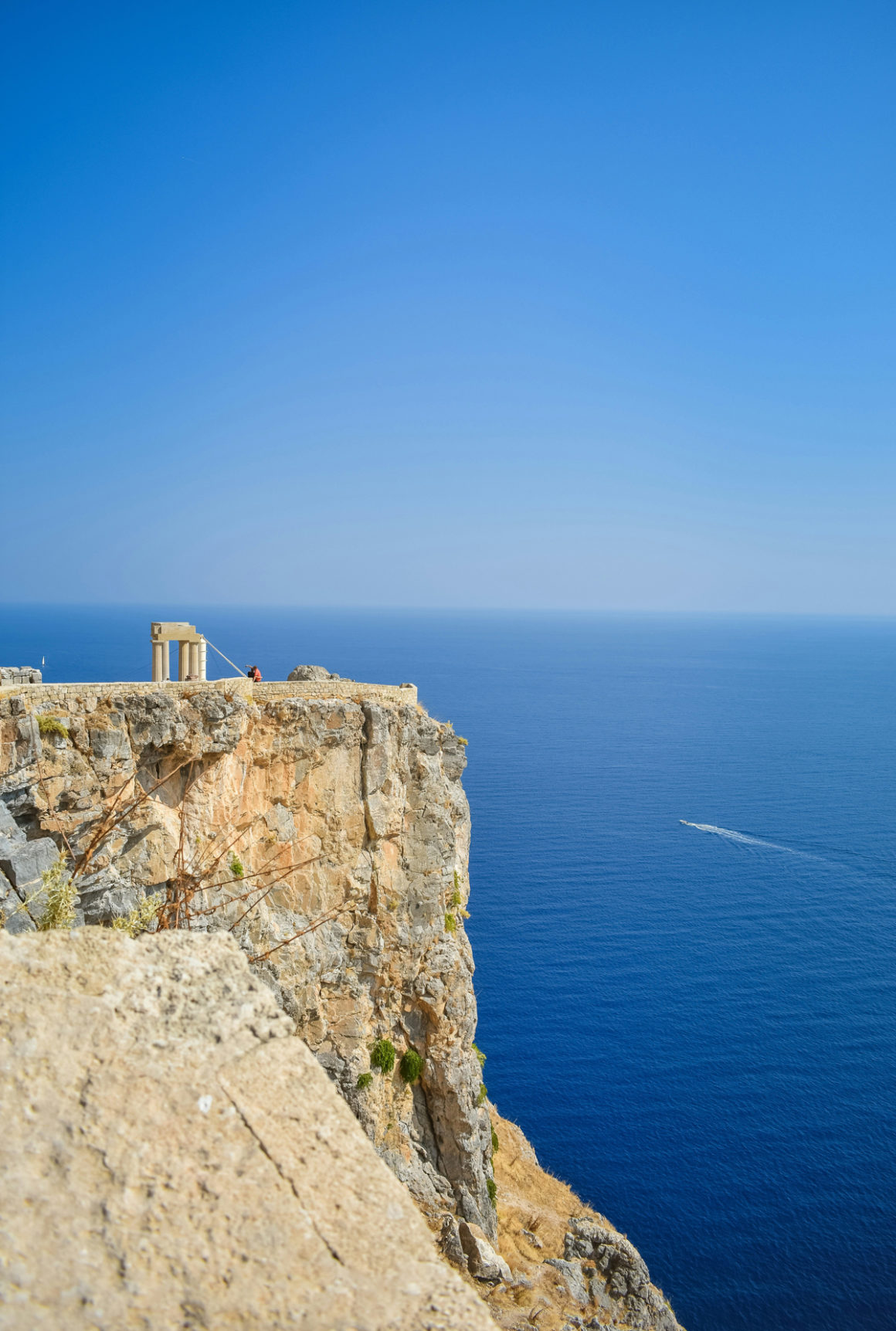
Rising above one of the most beautiful villages in the Dodecanese, the Acropolis of Lindos commands sweeping views across the sea and surrounding coastline. The climb to the summit passes through narrow whitewashed lanes before revealing a landscape where history and nature appear perfectly aligned. Ancient columns, stone pathways and fortified walls sit high above the bay, framed by the deep blues of the Aegean.
It is difficult to say what leaves the stronger impression — the monument itself or the view that surrounds it.
Sanctuary of the Great Gods
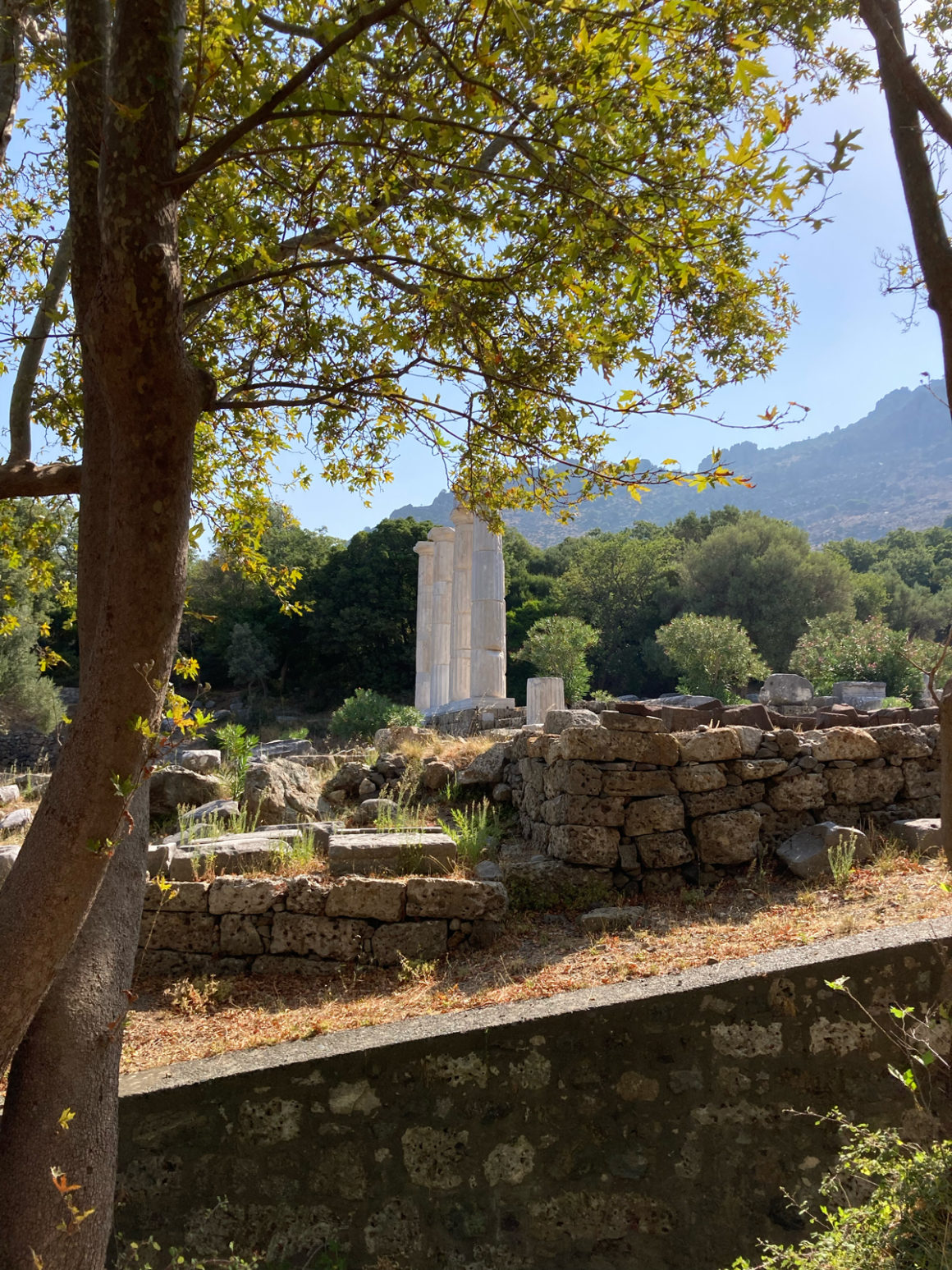
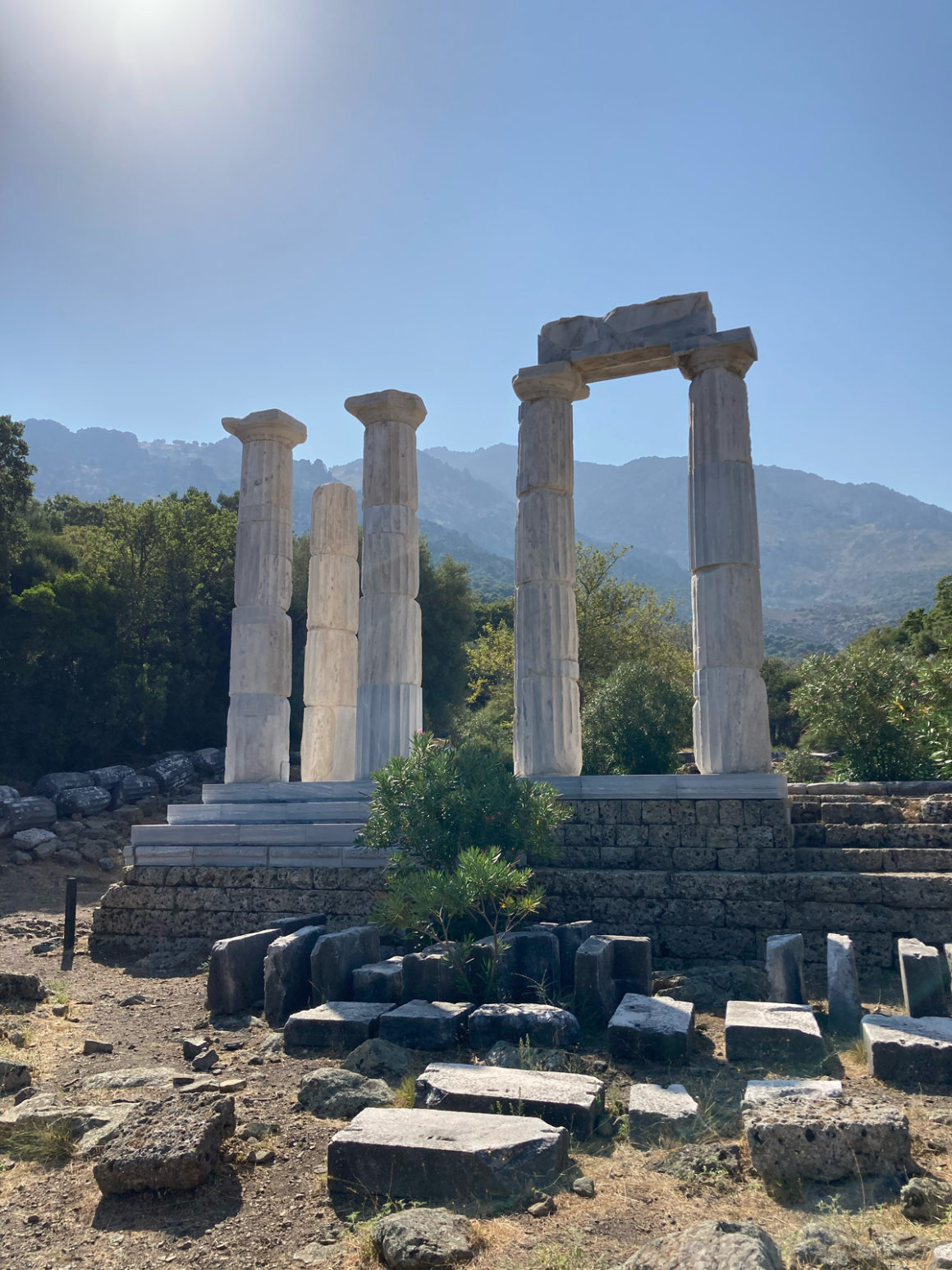
Few places combine archaeology and nature quite like Samothrace. Hidden among dense vegetation and mountain slopes, the Sanctuary of the Great Gods feels almost secretive. It was here that visitors from across the ancient world arrived to participate in mysterious religious rites whose details remain largely unknown.
Streams, trees and stone ruins exist side by side, creating a setting that feels as atmospheric today as it must have centuries ago.
Knossos
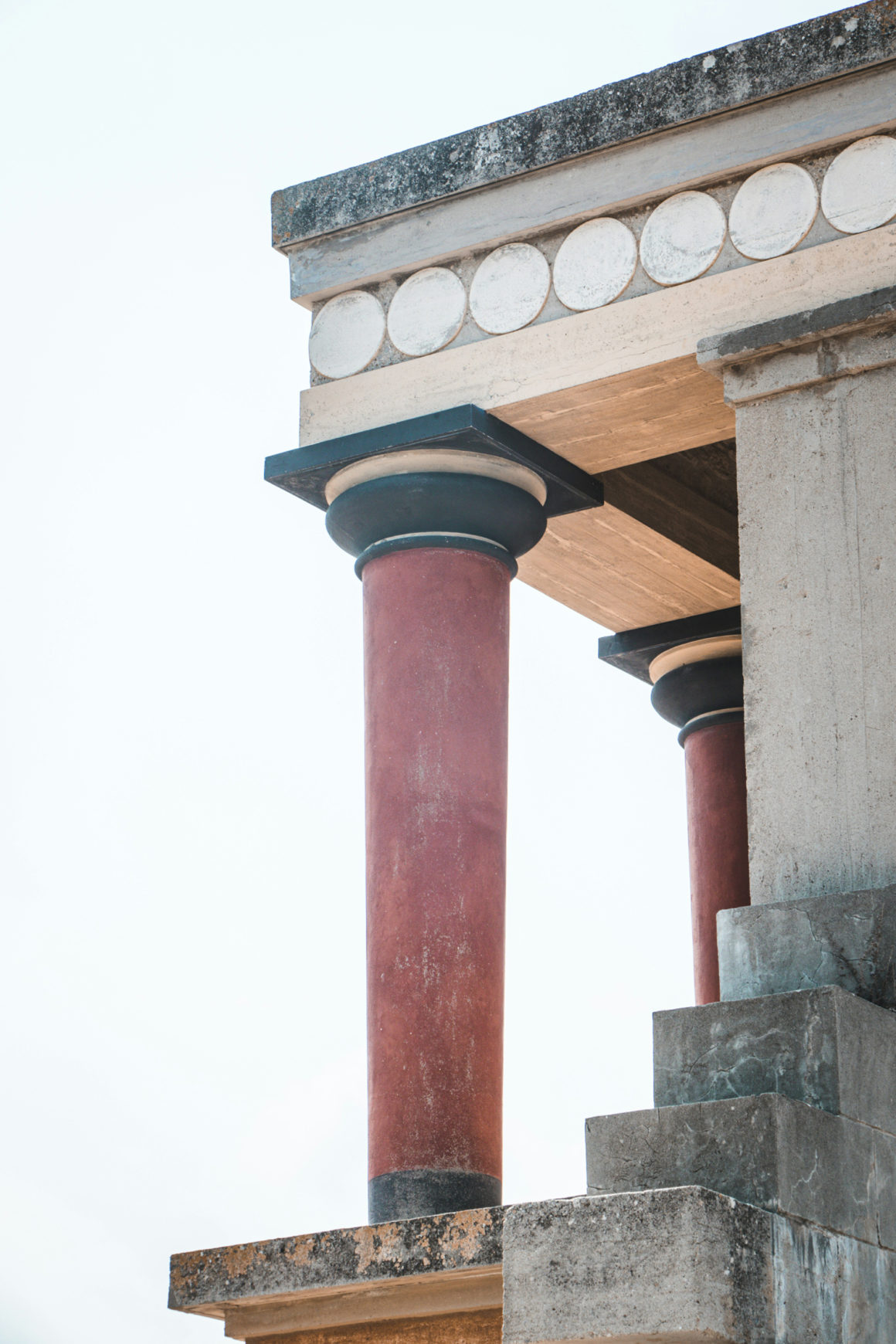
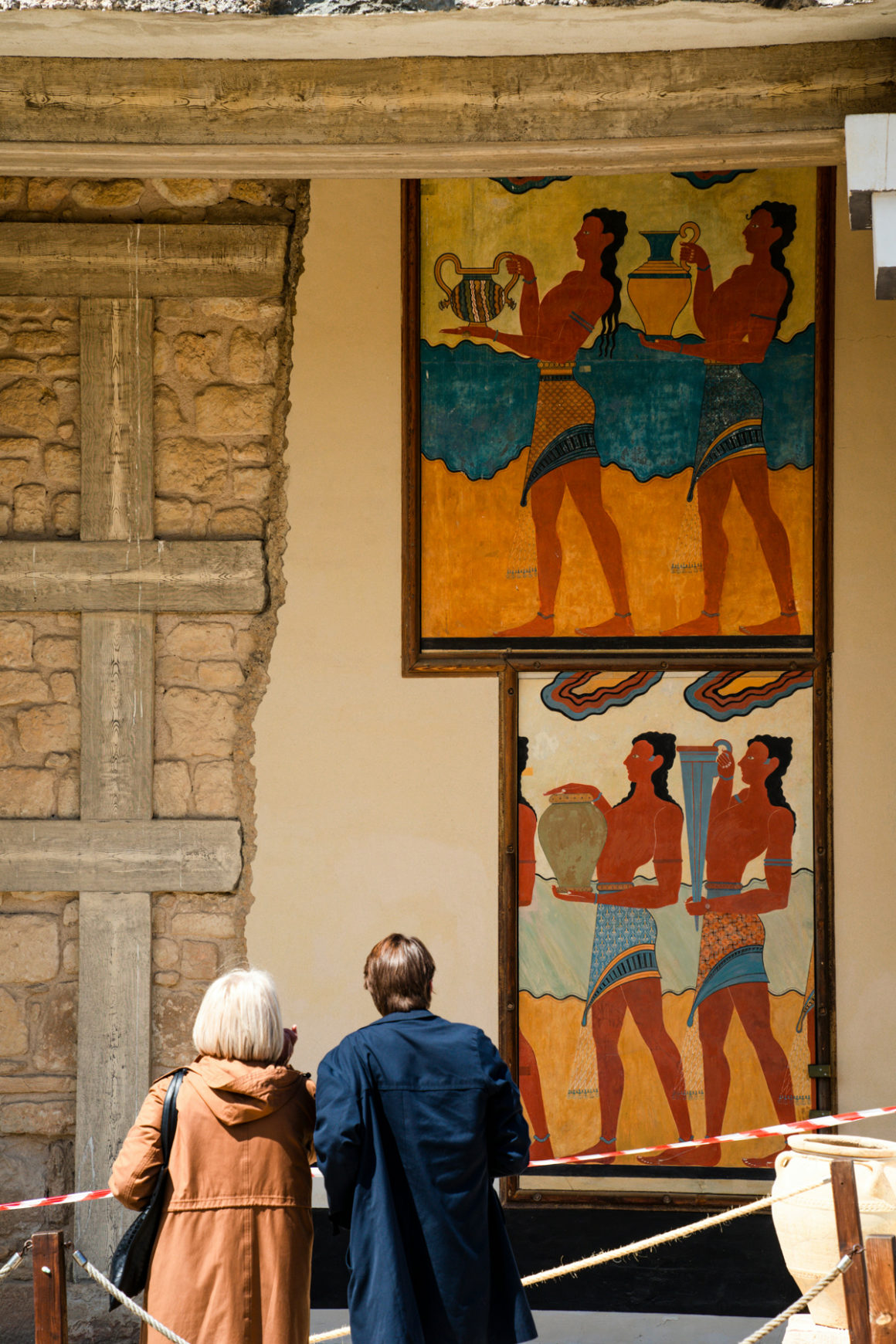
Knossos feels distinct from almost every other ancient site in Greece. Associated with the myths of King Minos, the Minotaur and the Labyrinth, the palace offers a glimpse into a civilisation that flourished thousands of years before the Classical age. Red columns, reconstructed frescoes and sprawling courtyards create a landscape unlike any other archaeological site in the country.
While much of Greece’s ancient heritage is connected to temples and theatres, Knossos tells a different story, one of palaces, rituals and everyday life at the heart of the Minoan world.
The Acropolis
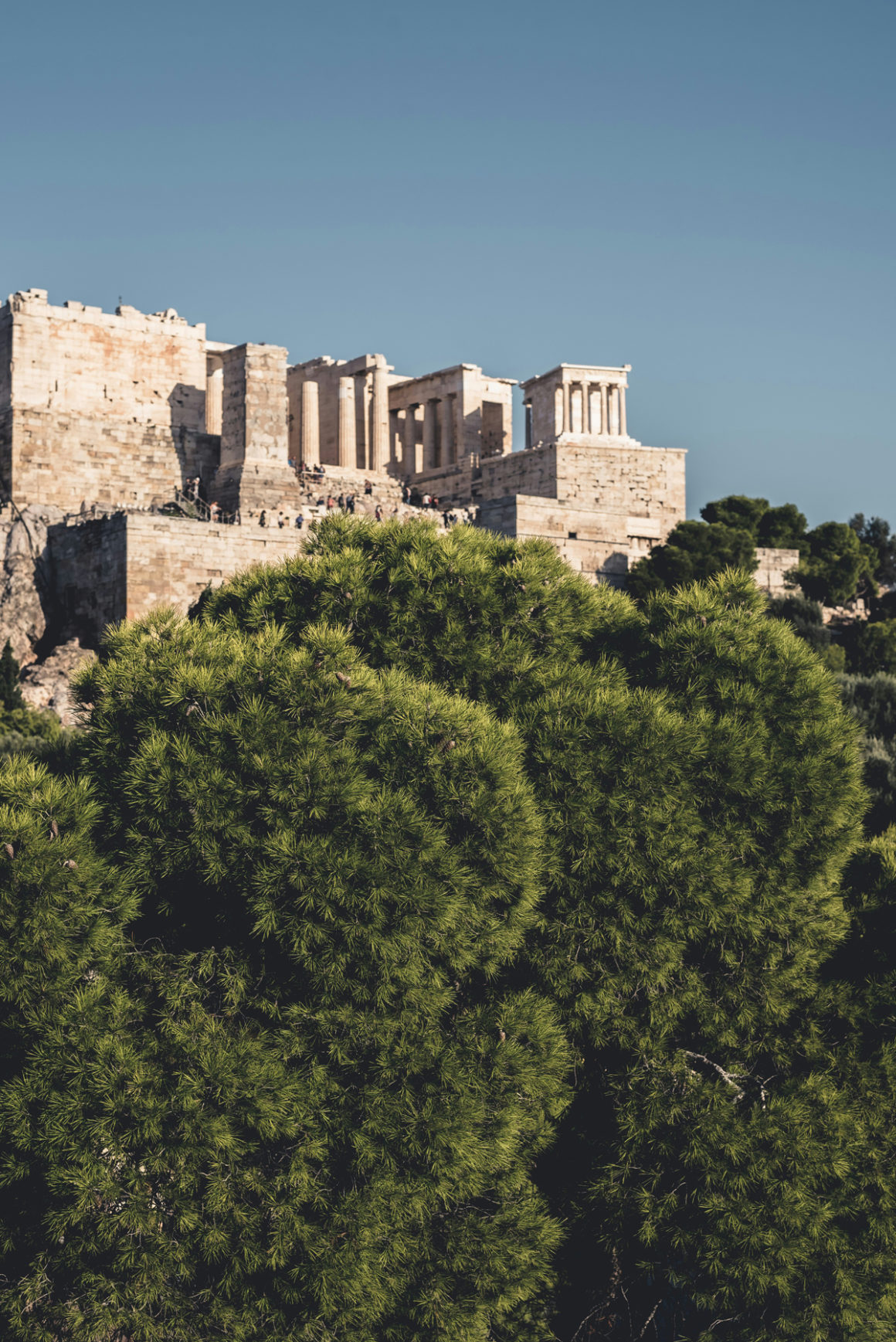
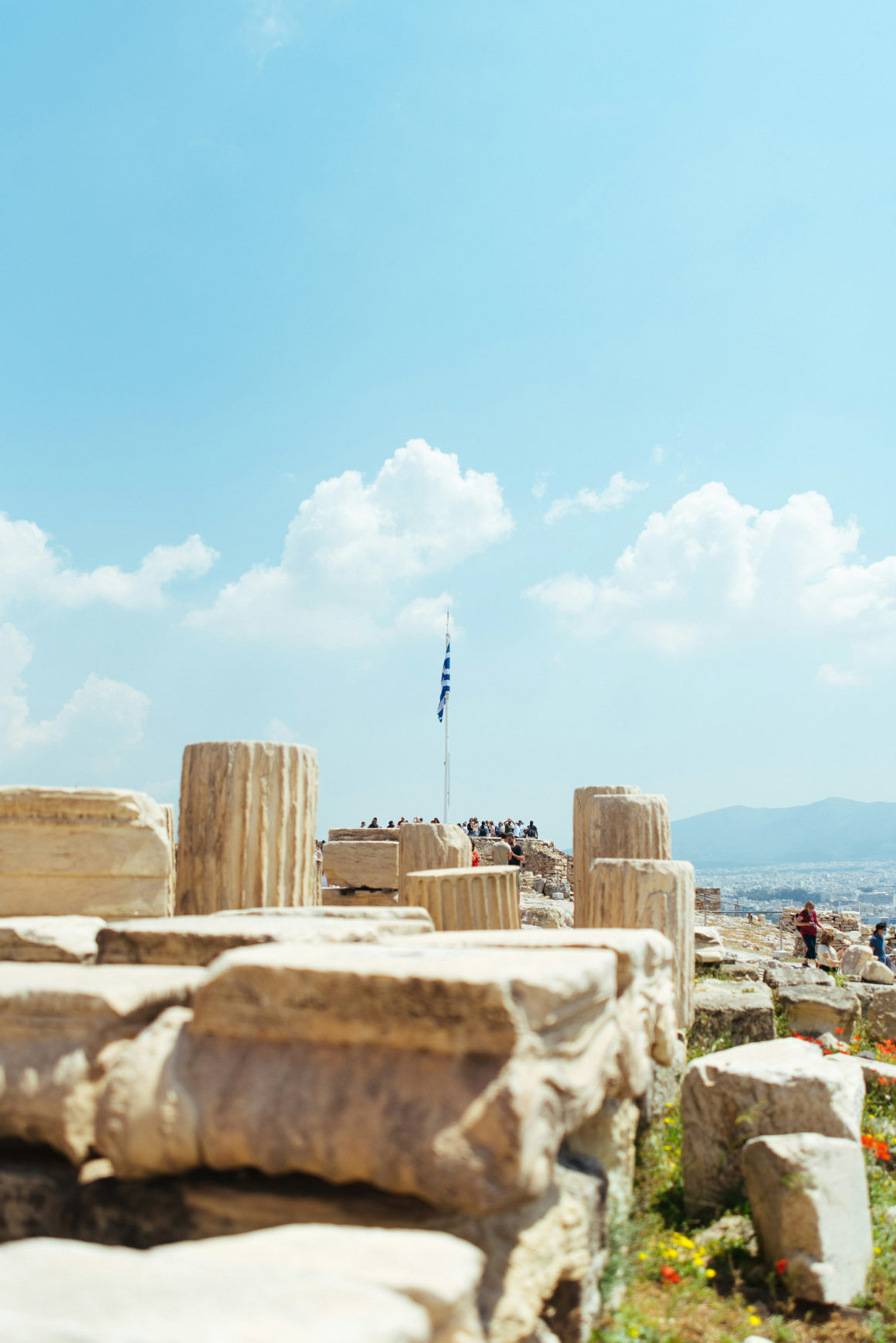
Even the most familiar places can reveal something new. Rising above Athens, the Acropolis has become one of the world’s most recognisable landmarks. Yet beyond its monuments, it is the relationship between the hill and the city that continues to define the experience.
From its summit, ancient marble and modern Athens coexist within the same view, creating a perspective that has changed remarkably little over the centuries.
For all their historical significance, these places rarely stay in the memory because of dates or facts alone. More often, it is a particular view, a stretch of coastline, the scent of pine trees on a hillside or the way the light settles across ancient stone late in the day. The monuments remain at the centre of the experience, but they are never entirely separate from the landscape around them.
Perhaps that is why these sites continue to feel so relevant. They are not simply reminders of the past. They remain part of the scenery, woven into everyday Greece, still shaping the horizon centuries after they were first built.