In these series of works, Anastasis Stratakis uses pencil and ink drawings, digital manipulation of images and installations, to renegotiate and develop a contemporary perception of the collective memory of Greek history.
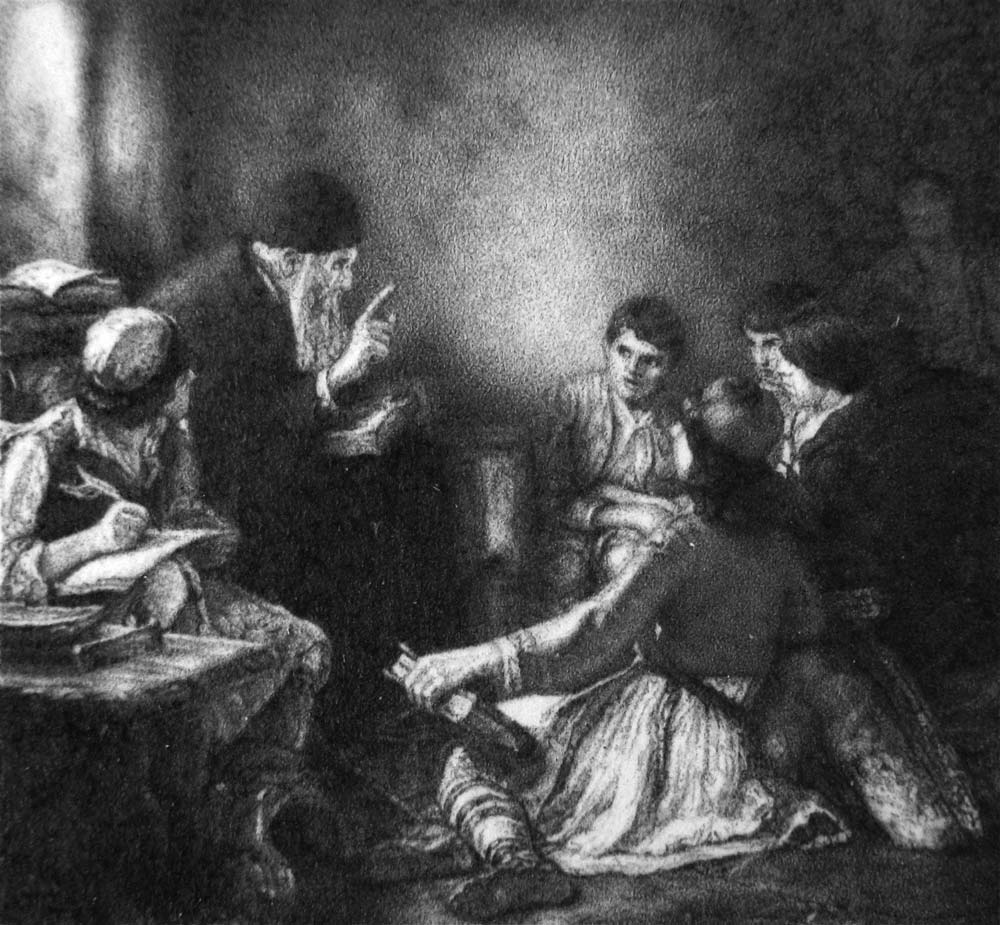
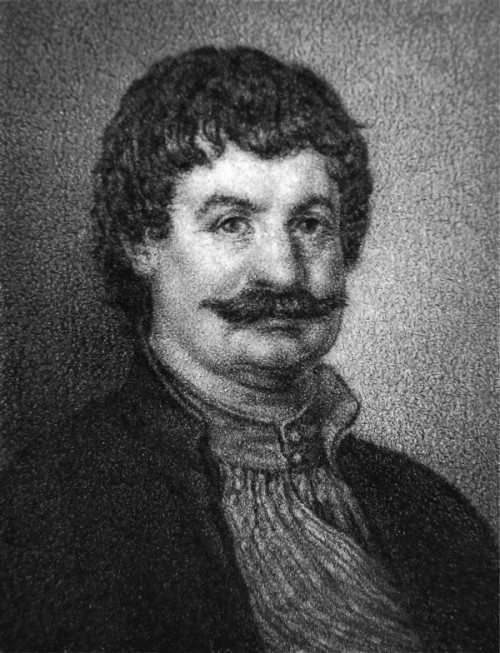
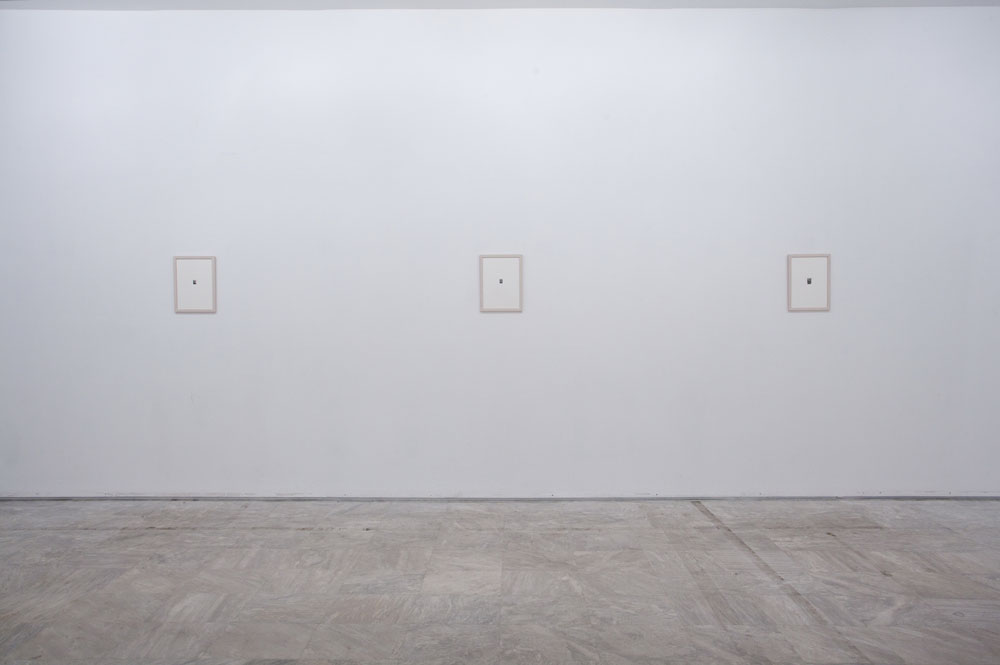
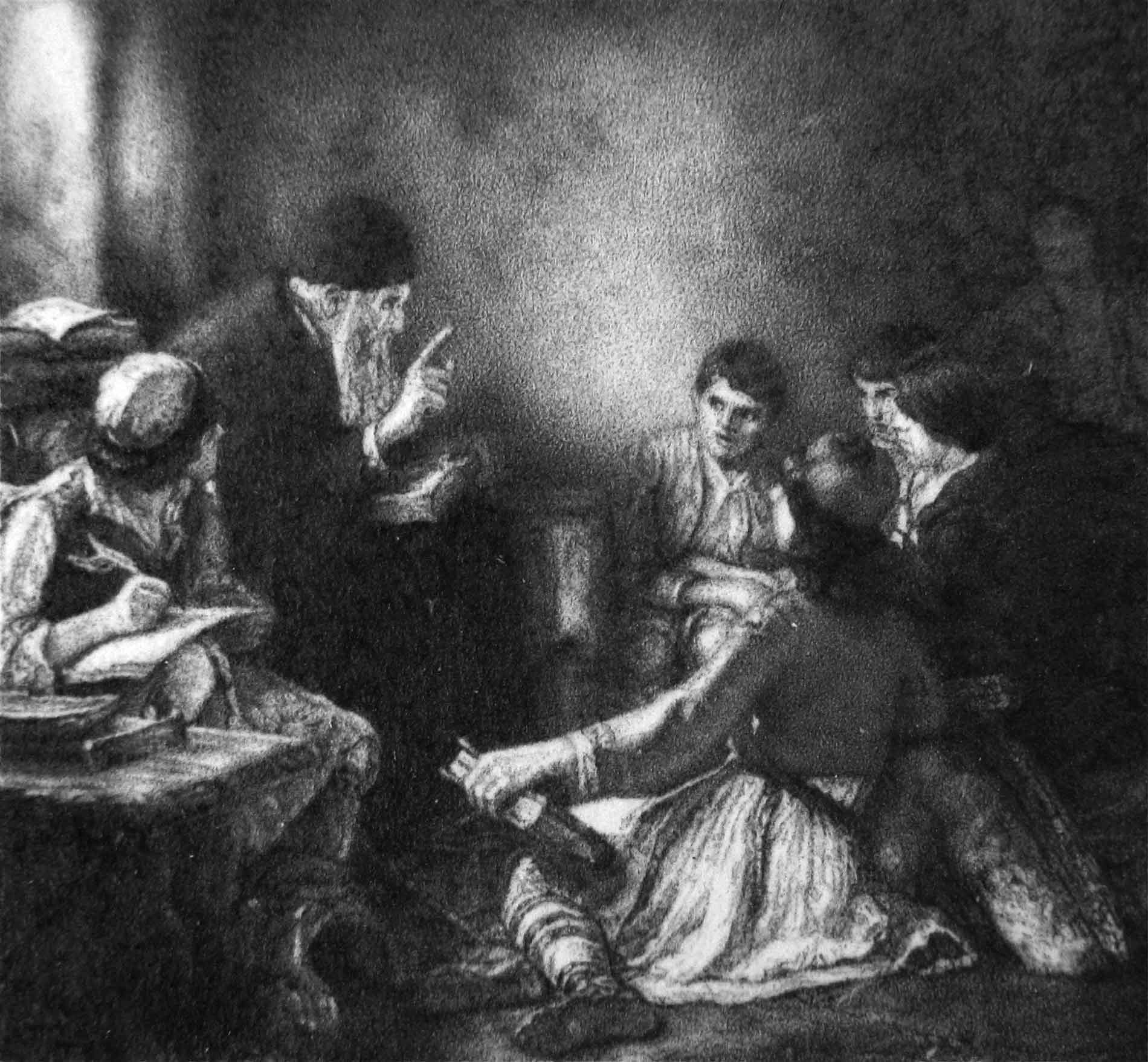
Ubi nunc is a series of hand-drawn reproductions of images linked to Greek history, made with graphite on an extremely small scale. The selective nature of individual and collective memory and way they are represented are central concerns, along with the assertion that the idea of the past is but a temporary man-made concept, not always free of the suspicion of manipulation. The conceptual approach behind these works is carried on even further, when one takes into account the scale of the works, lingering close to their own dissolution, in relation to their weighty subject matter as well as the overall spatial analogy between the drawing, the architectural space and the viewer.
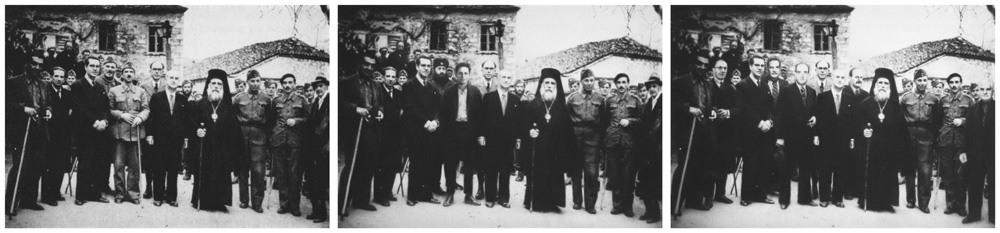
In Viniani April 10 1944 (ver. 1-3), Stratakis points out the strong effect that images have on people, especially the ‘direct images’ because of their capability to put the viewer in the photographer’s place, to transform him to an “irrefutable witness”. The stronger the viewer’s aesthetic pleasure is, the more the viewer enters “uncomplainingly” in the place of the eyewitness. The viewer is not aware whether the persons, the locations and their details are true or made up. Whether the moment of recording is one or many, whether the final image refers to one or to different historical moments or whether it is a product “invented” by the artist. The confusion is accentuated by the draughtsman’s gesture, which juxtaposes the “realism” of the drawing’s narration to the “realism” of photography.
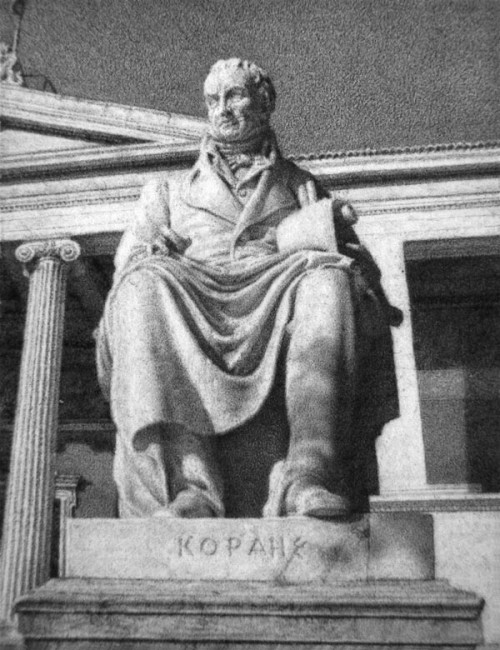
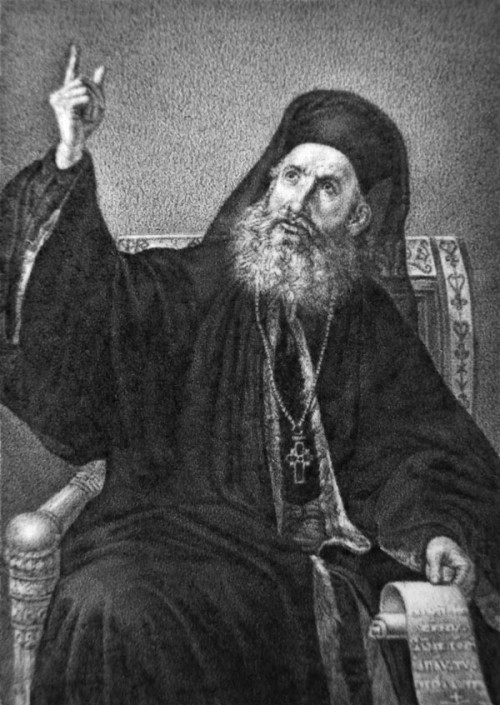
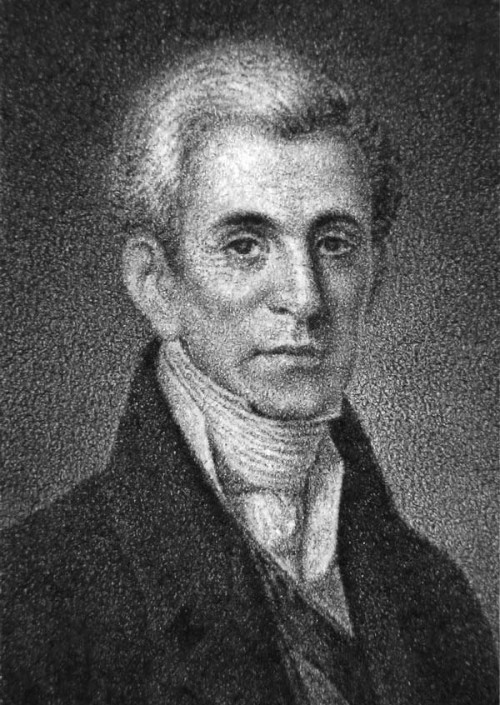
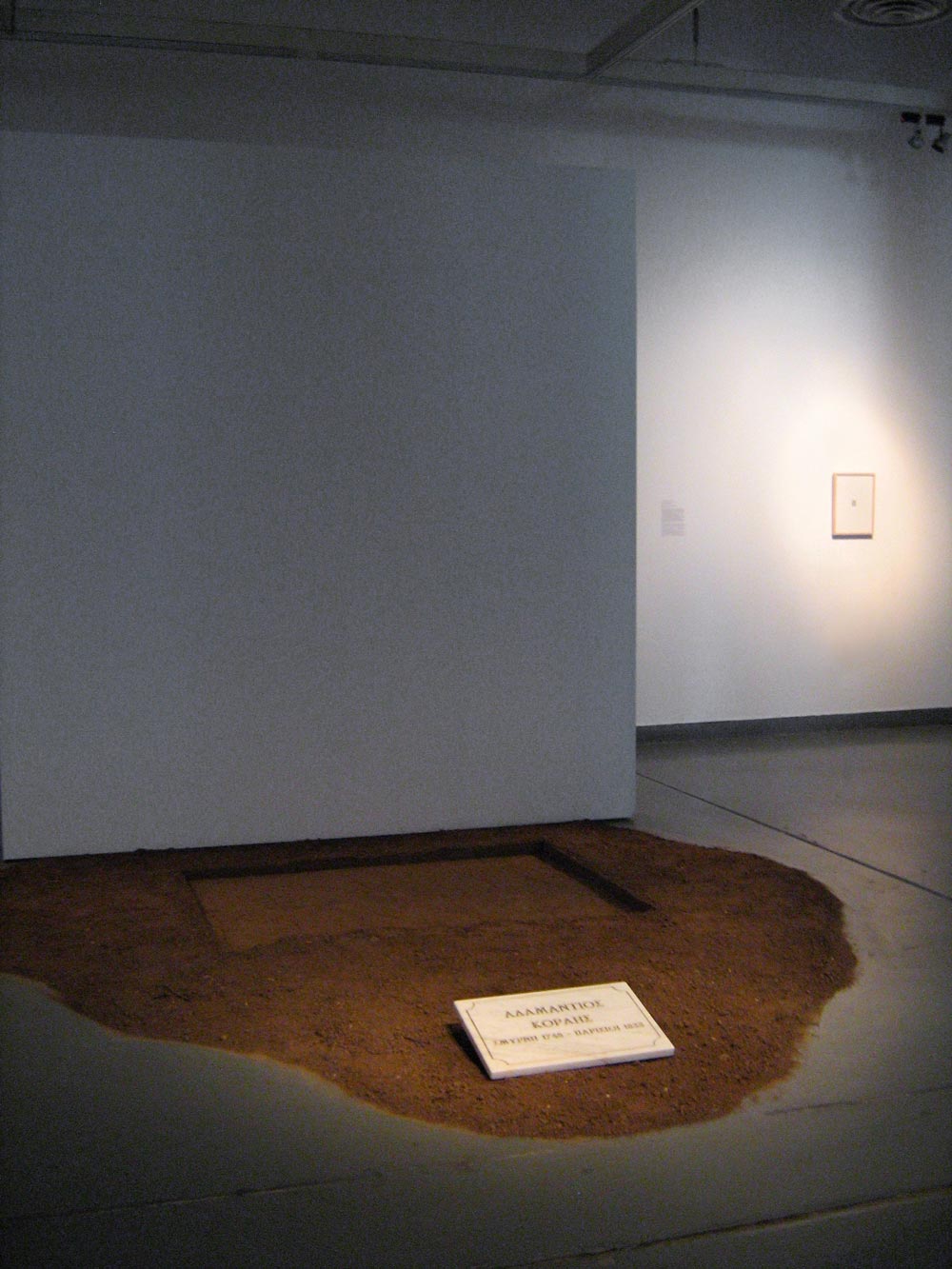
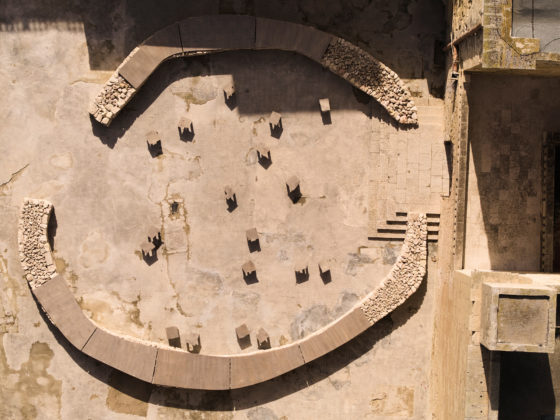
In Untitled (Memorial), the iconographical and conceptual approach of the historical figure of Adamantios Korais, through an installation and a drawing, serve to comment on the national historical consciousness, and the malleable way in which it is built and shaped. In the installation, it is the vacuum left behind by a supposed-to-have-been-there monument that works like a “negative” image of collective memory. In the drawing, the iconic portrait of Korais serves, not only to remind, but also to undermine this historic figure in the collective memory. In both of these directions – the representational (drawing) and the interventional (installation) – Stratakis creates a conceptual trap for history and ultimately historiography, openly posing the question: is there any historical representation and narrative stripped off of ideology?