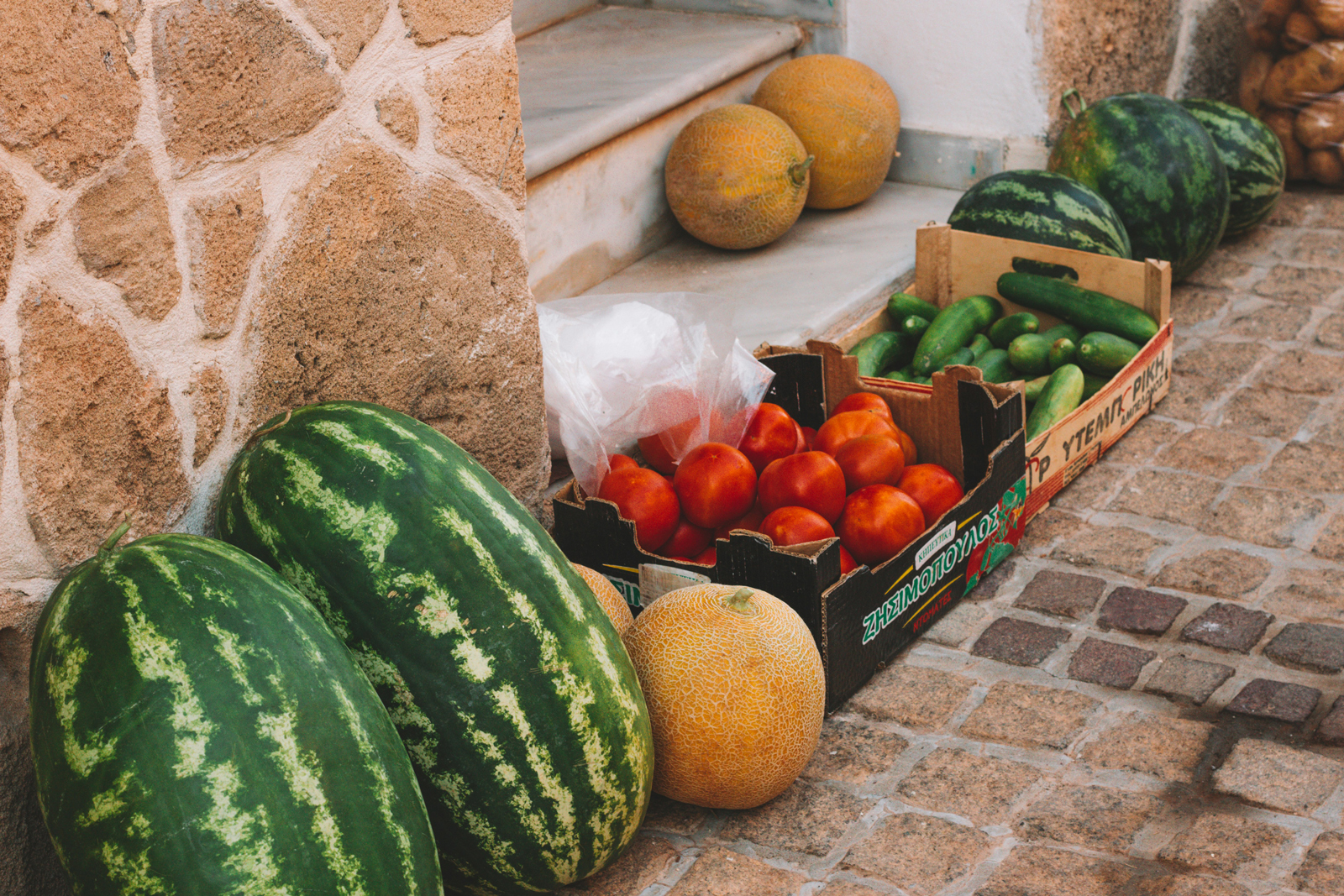
Summer in Greece announces itself long before the calendar does. It appears at the neighbourhood fruit stand, where apricots give way to peaches and watermelons begin to pile high. Tomatoes finally taste like tomatoes again. Tavern menus quietly change with the season, shaped by whatever has just been picked, caught or harvested.
There is no single dish that defines a Greek summer. Instead, it is a collection of familiar rituals repeated year after year, meals shared outdoors, ingredients bought that same morning, and tables that somehow always make room for one more person.
Tomatoes, First
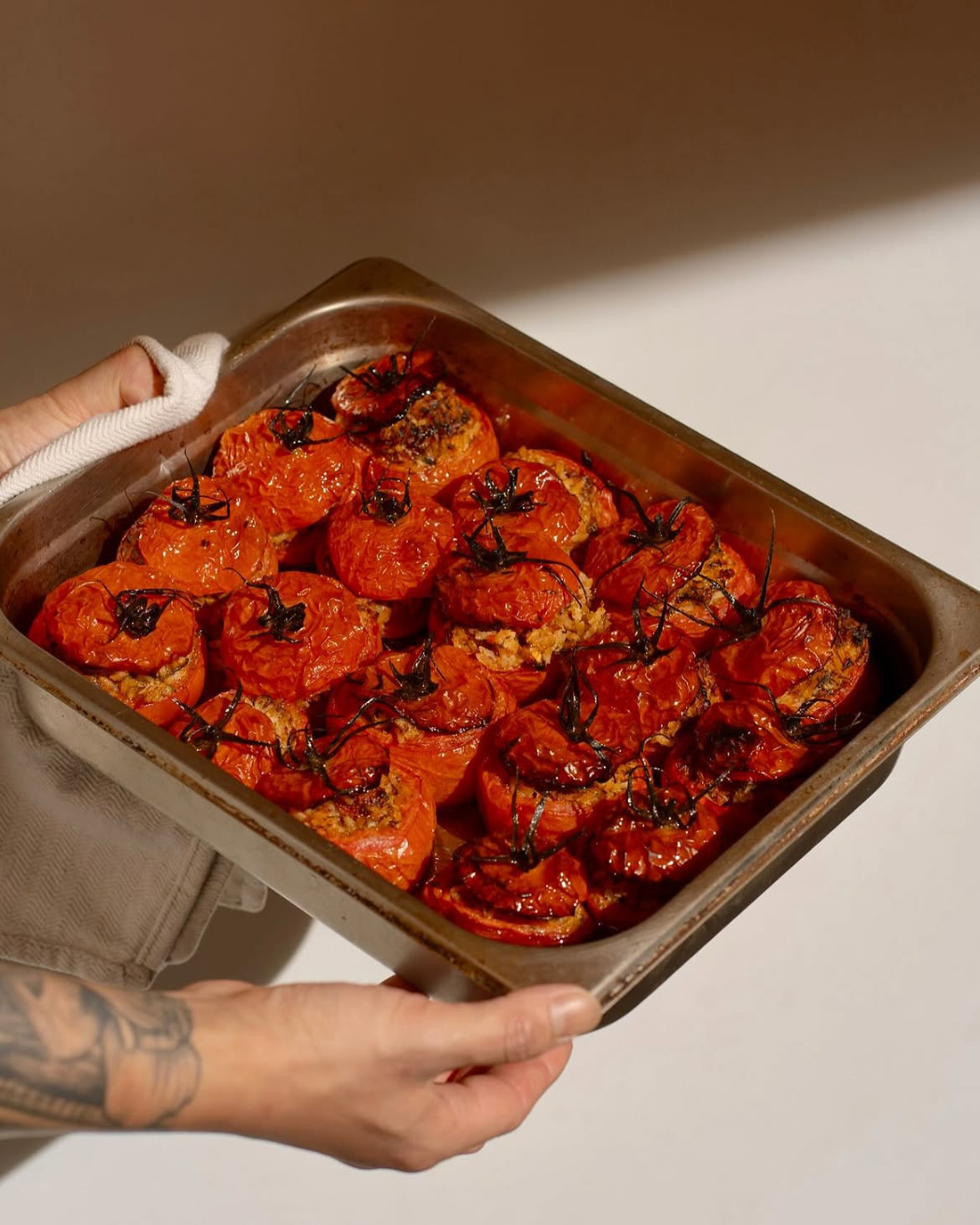
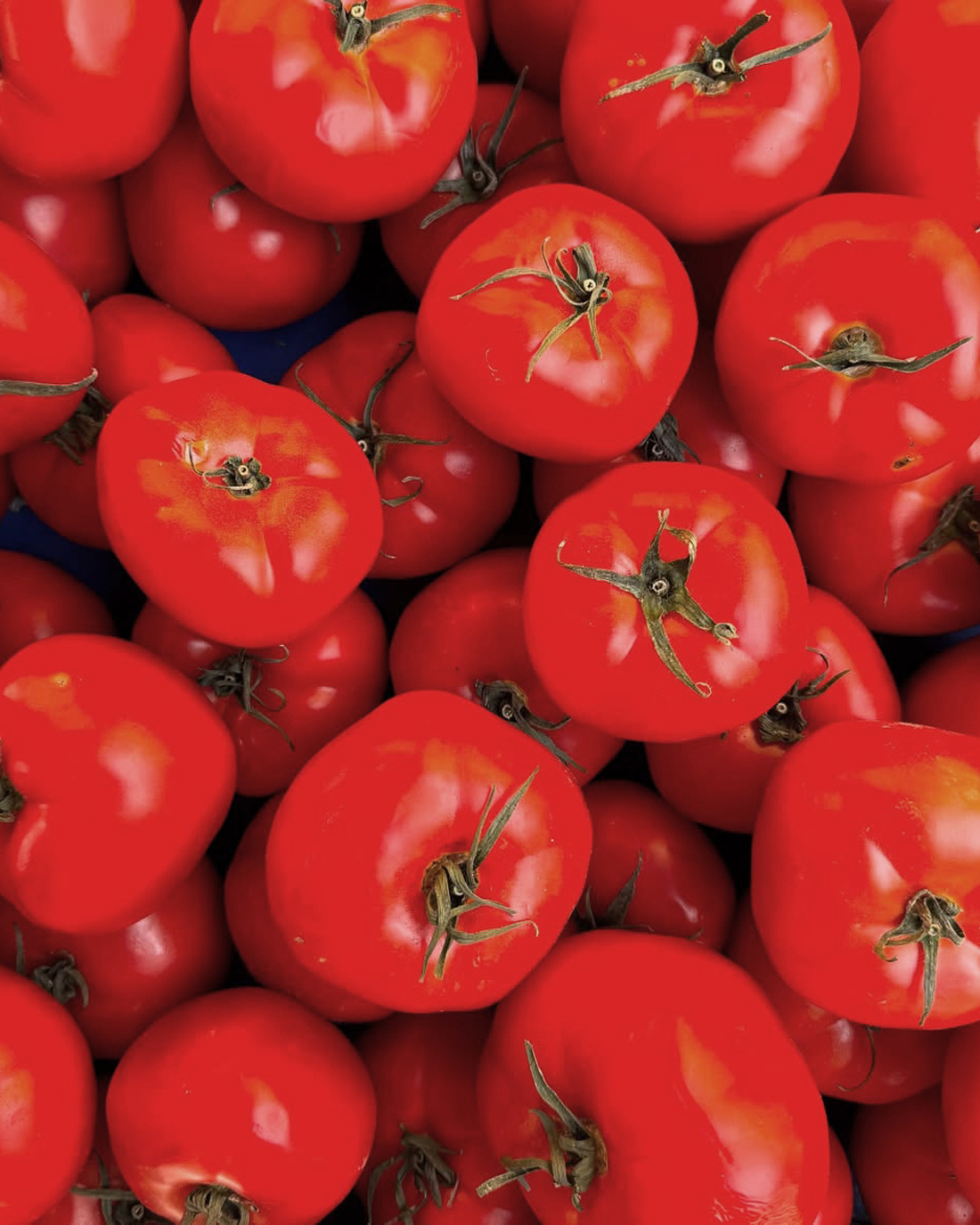
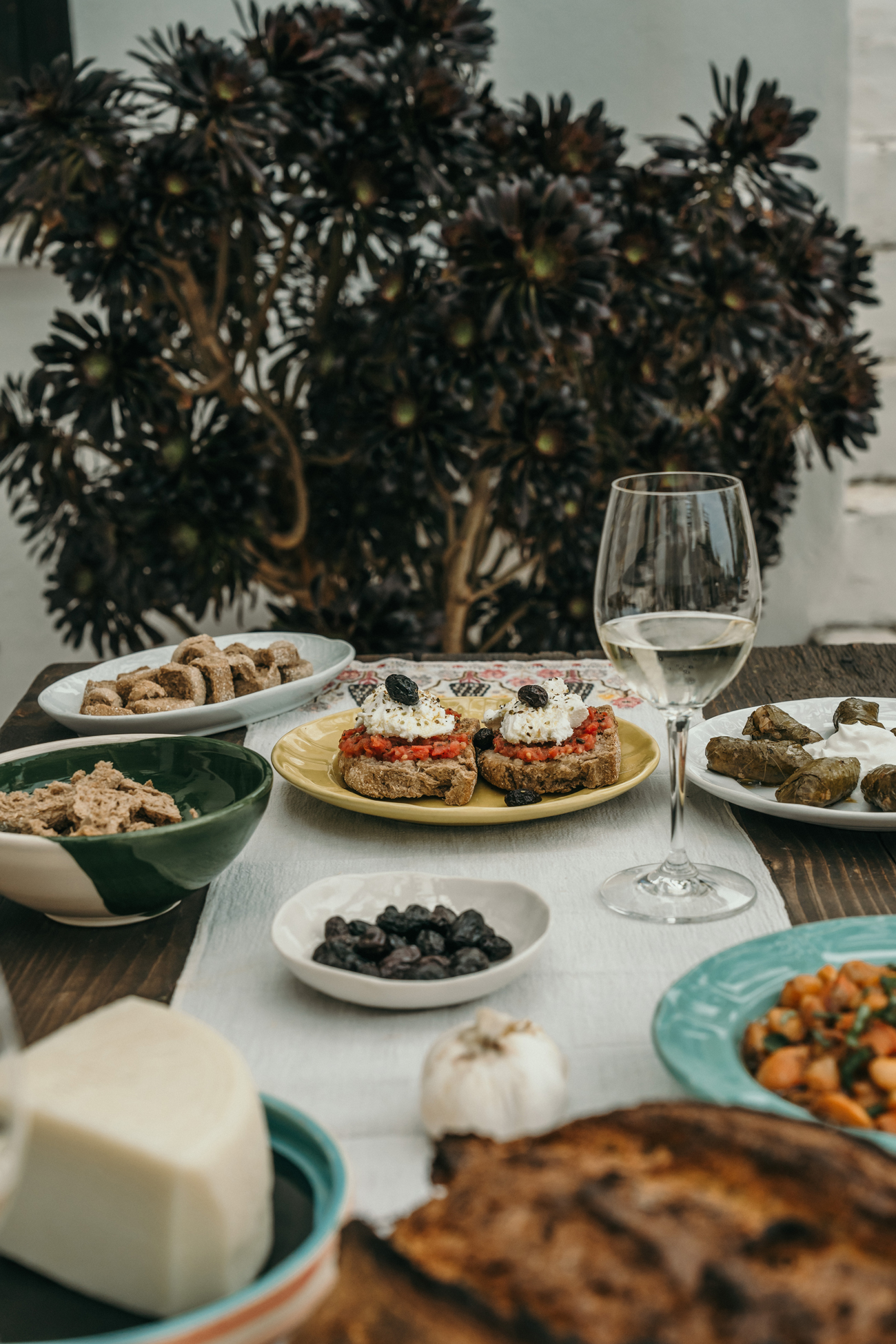
For many Greeks, summer begins with the first truly ripe tomato. It finds its way into almost every meal, whether in a classic Greek salad with feta and olives, spread across a slice of bread with olive oil, or slowly baked into gemista, where tomatoes and peppers are filled with rice and herbs. In Crete, dakos remains a seasonal favourite, combining ripe tomatoes with fresh cheese and olive oil.
Simple dishes become memorable because the ingredients need very little else.
Straight from the Sea
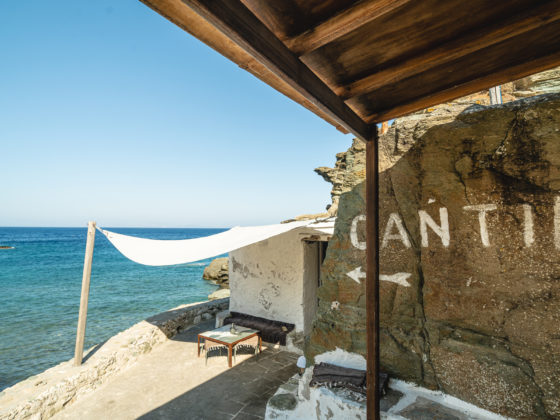
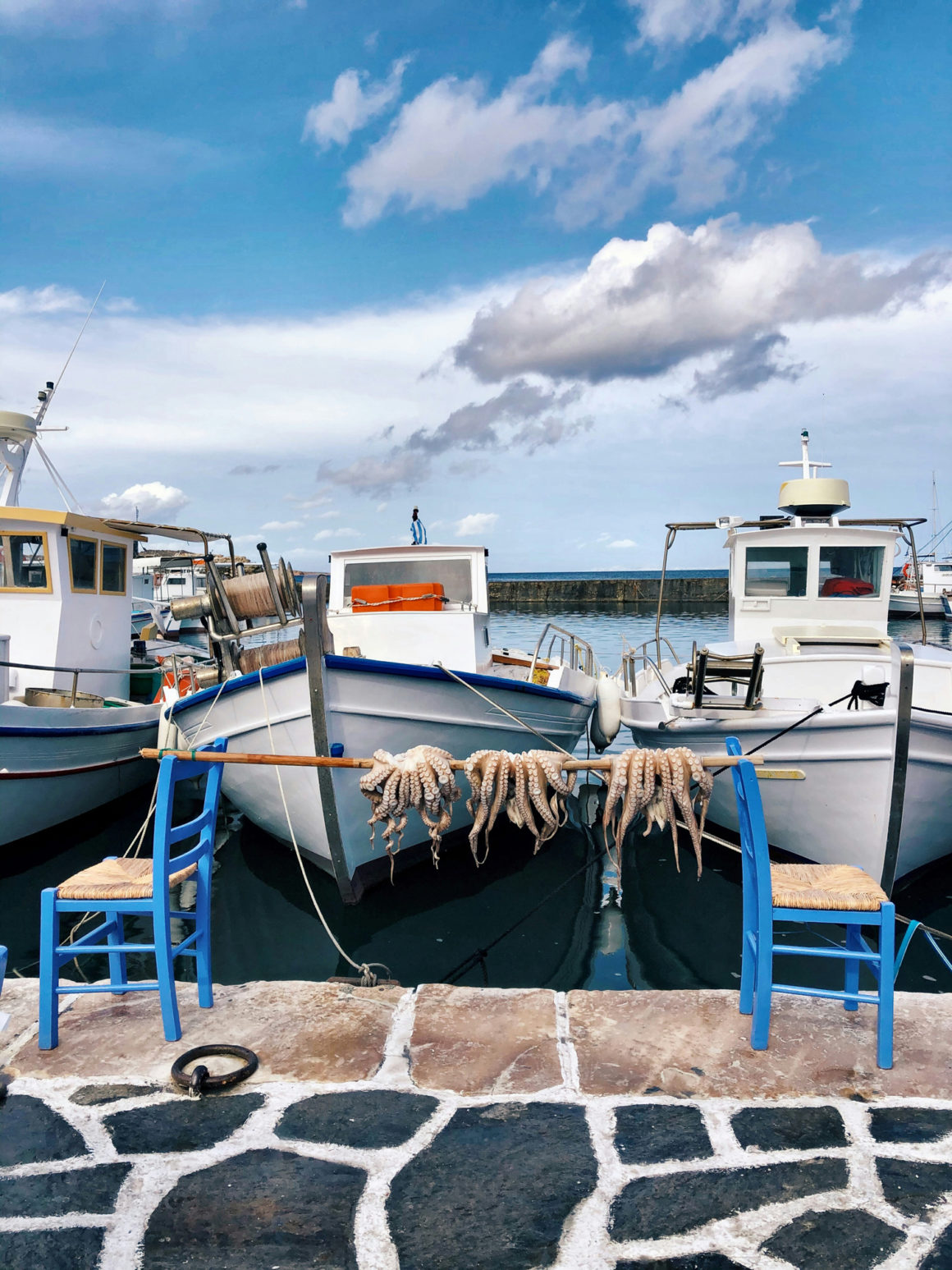
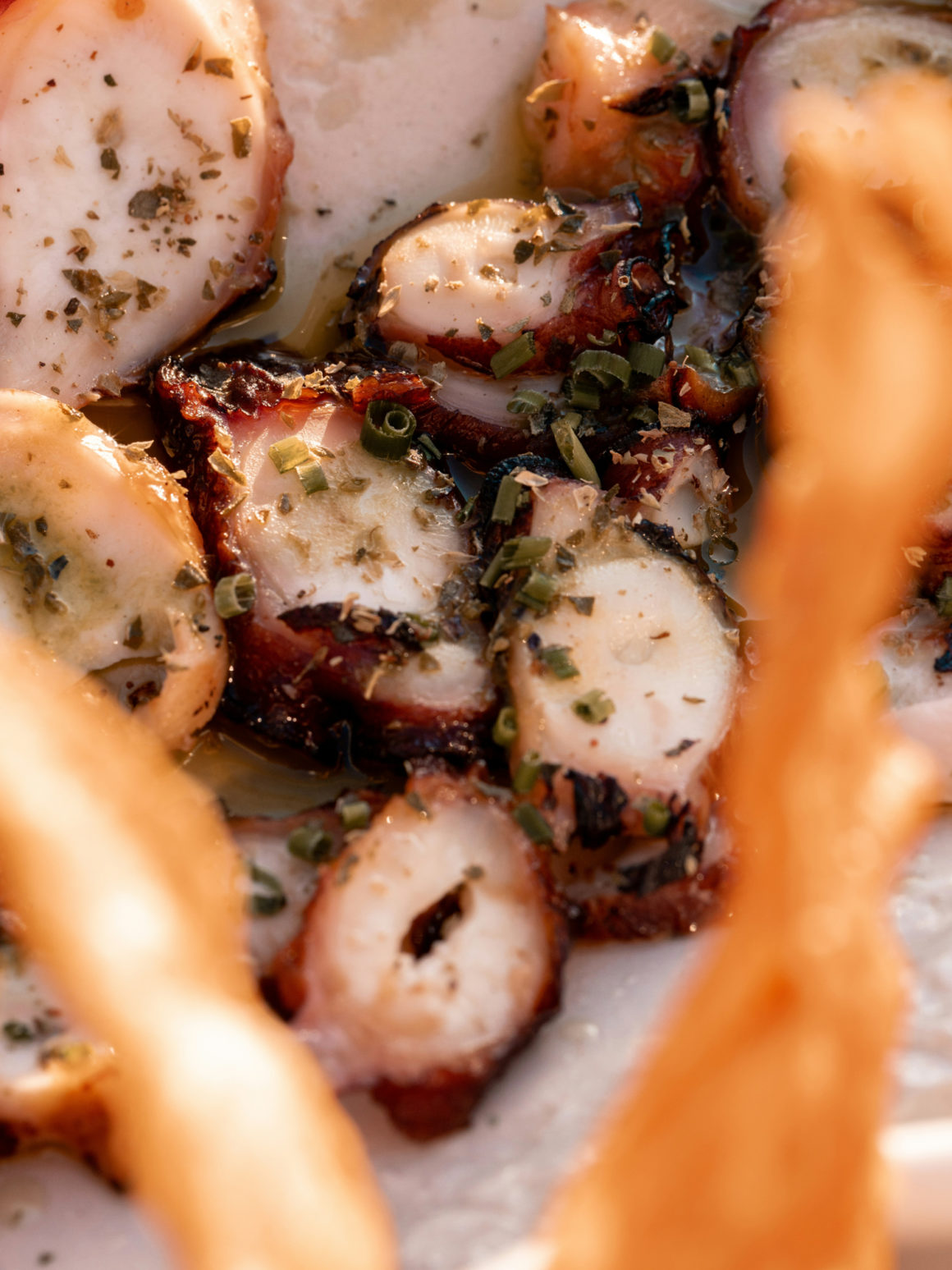
Life by the coast naturally shapes the summer table. Fresh fish, grilled octopus, sardines, anchovies and calamari appear in tavernas across the islands and mainland alike. The focus is rarely elaborate cooking. Fish is grilled, seafood is simply prepared, and lemon and olive oil often provide all the seasoning required.
The best meals are usually the least complicated, enjoyed within sight of the water.
Fruit on the Counter
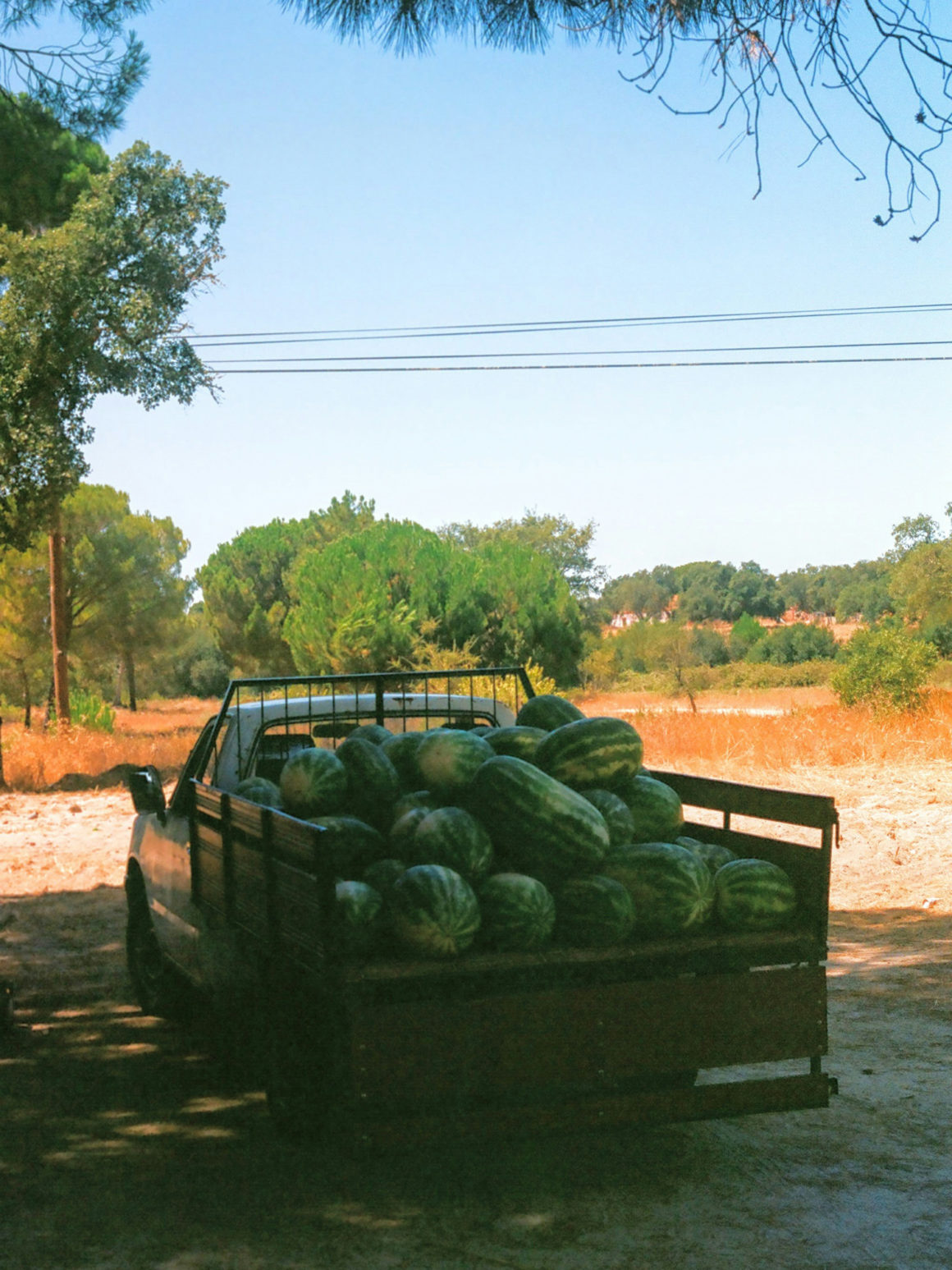
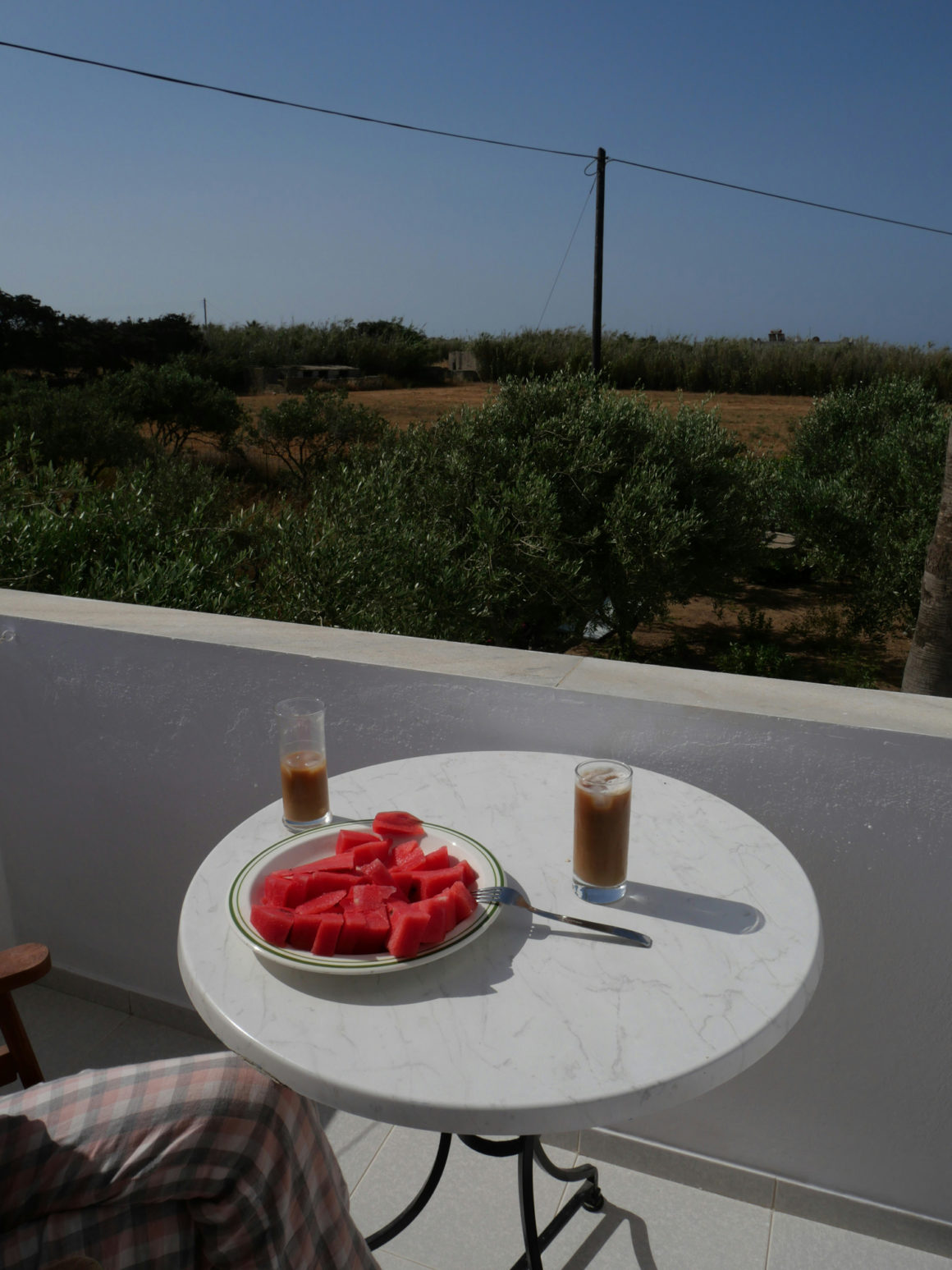
Summer fruit is rarely reserved for dessert. Watermelon is cut into generous slices and kept in the fridge, ready after the beach or late in the evening. Often, it is served with a piece of feta, a simple combination that has become a familiar part of Greek summers for generations. Peaches, nectarines, apricots and cherries fill bowls on kitchen counters, while figs begin to appear as summer slowly moves towards autumn. Their arrival marks the passing of the season almost as clearly as the calendar itself.
The Long Table
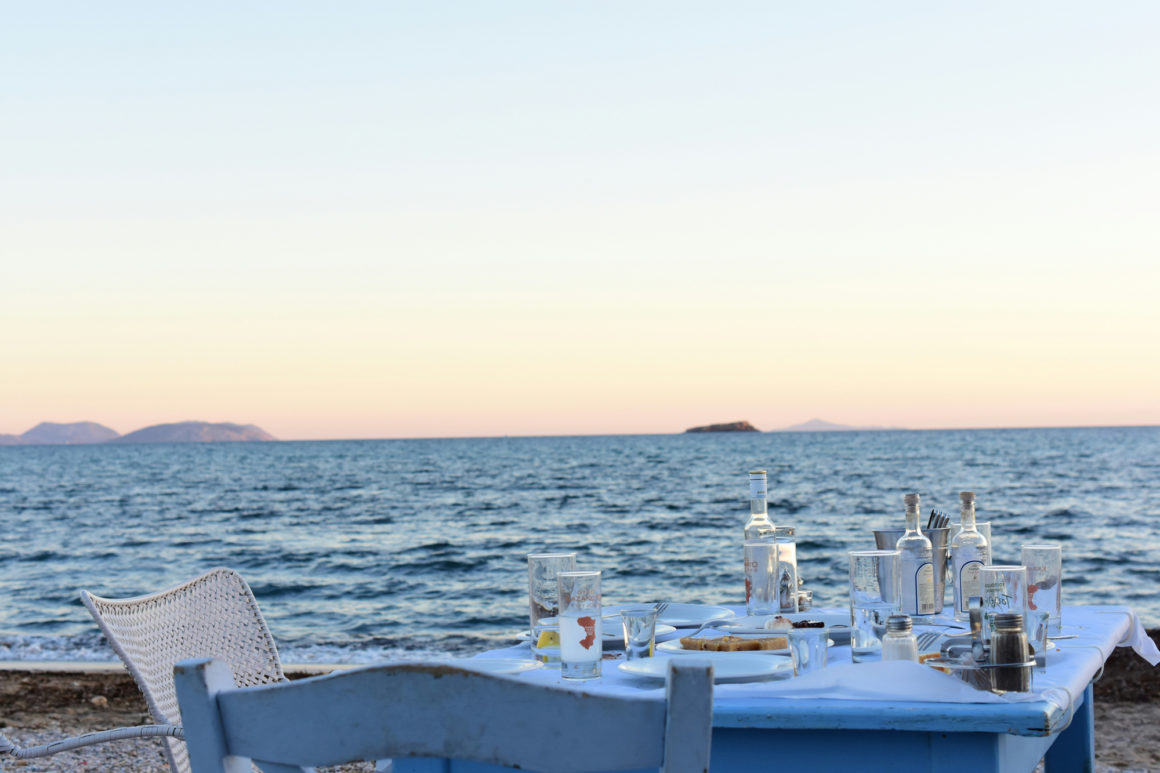
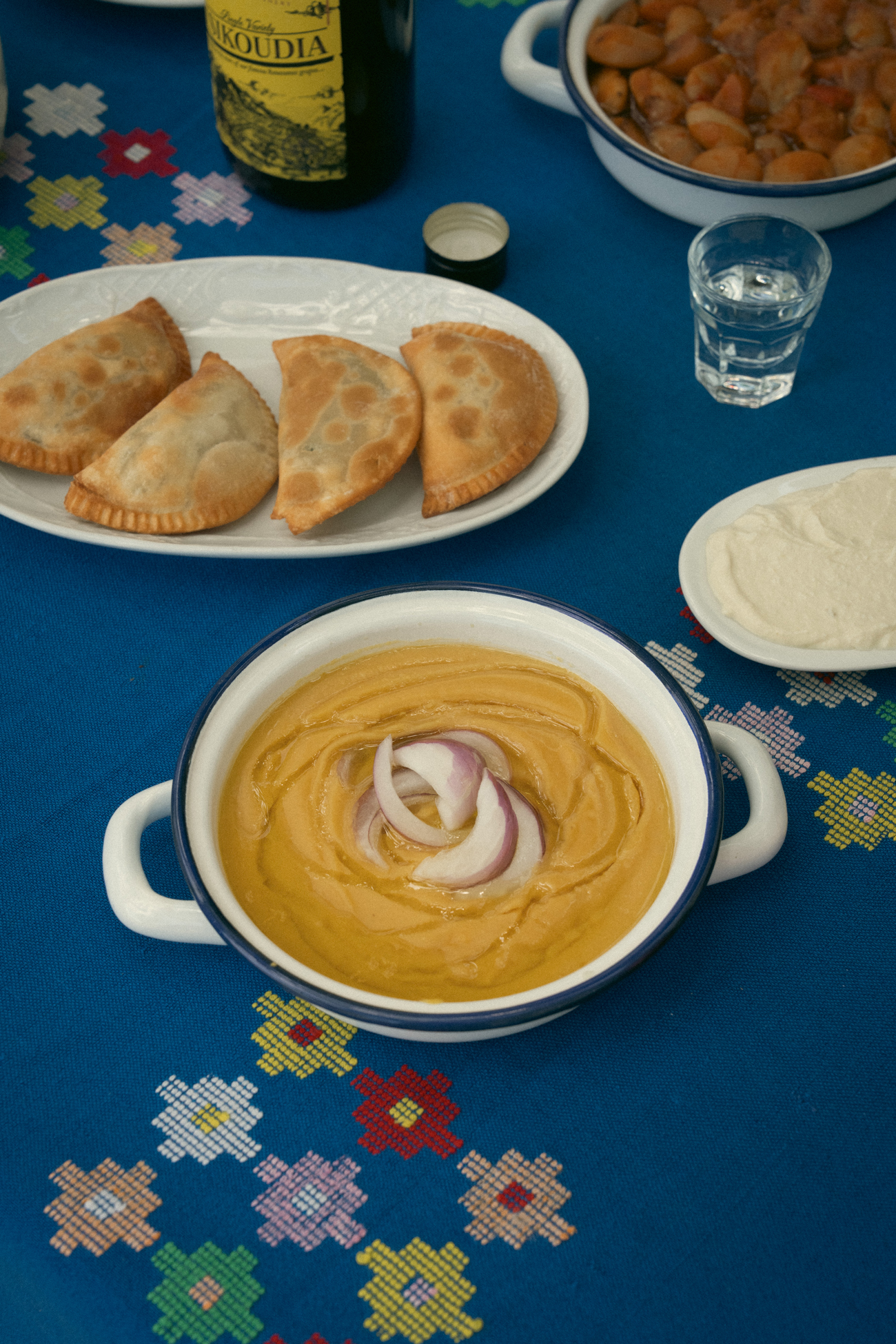
Perhaps more important than any individual dish is the way food is shared. Small plates arrive one after another: tzatziki, fava, dolmadakia, fried zucchini, grilled vegetables, olives and freshly baked bread. Nothing belongs to just one person. Everything sits in the middle of the table, passed from hand to hand as conversations drift between stories, plans and memories.
Meals have no particular rush. They simply continue for as long as everyone is happy to stay.
Something Cold and/or Sweet
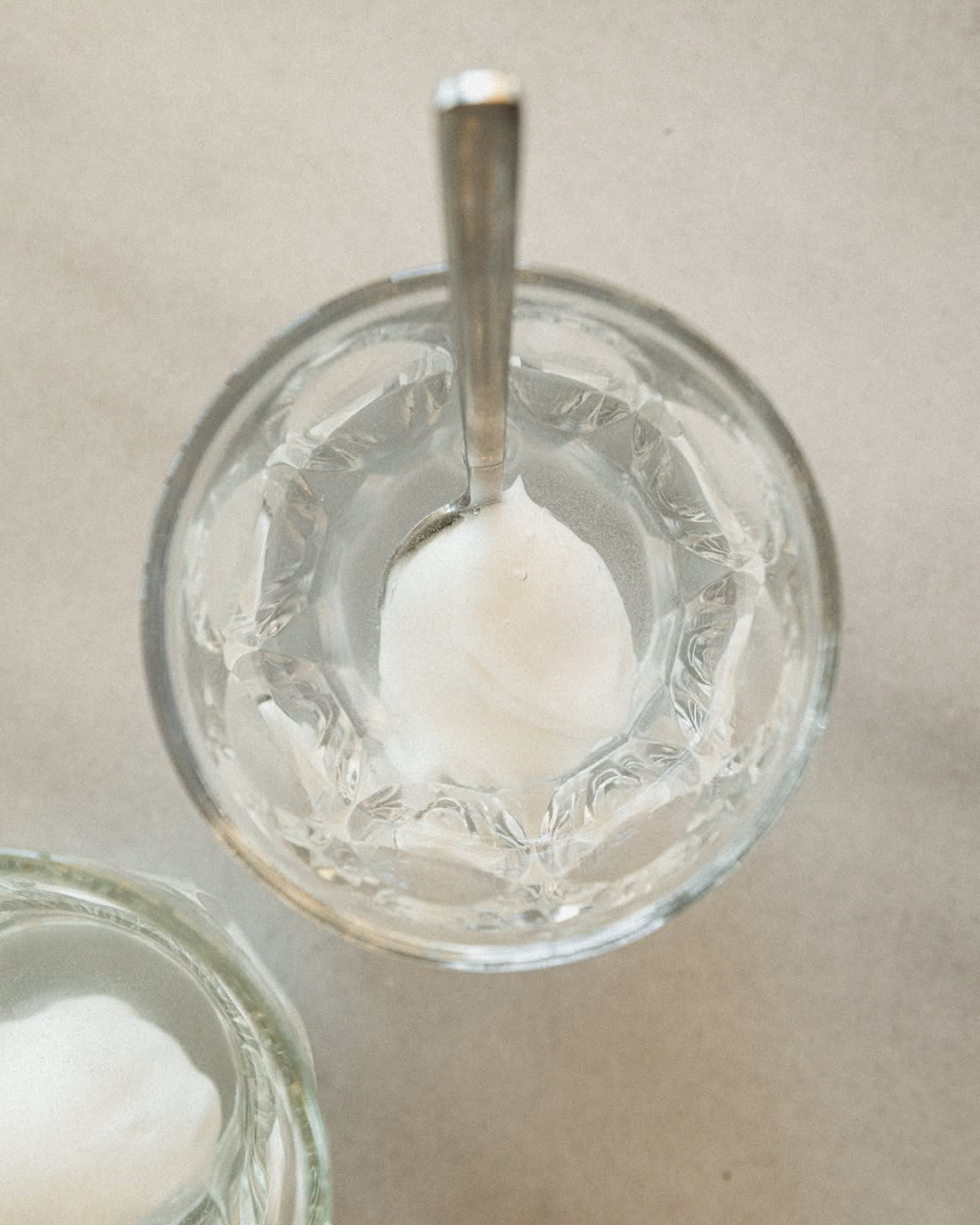
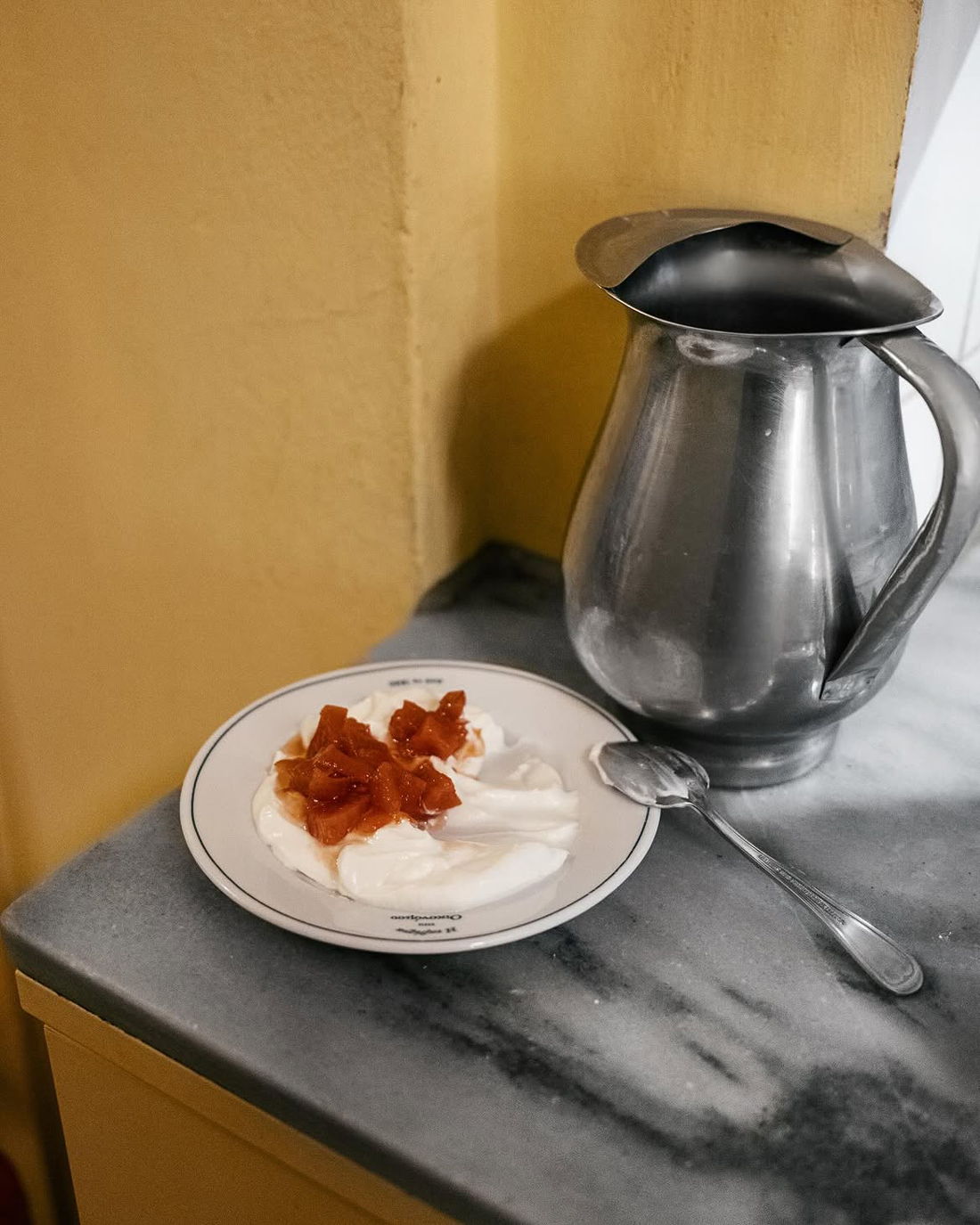
As temperatures rise, so do the small pleasures that define a Greek summer. A freddo coffee carried through the city. Ice cream after an evening walk. Spoon sweets served with a glass of cold water or a traditional ypovrichio (vanilla spoon sweet slowly dissolved in icy water). Homemade sour cherry juice, fresh lemonade or watermelon straight from the fridge after returning from the beach.
Often, it is these small moments that become part of the season’s rhythm just as much as the larger meals.
A Season at the Table
Perhaps that is what defines a Greek summer table. Not a particular recipe, but a way of eating shaped by the season itself. Ingredients that need very little preparation, meals that stretch into the evening and the quiet assumption that there will always be enough to share.
By September, many of these flavours begin to disappear until the following year. Which is perhaps why they remain so closely tied to the feeling of a Greek summer.