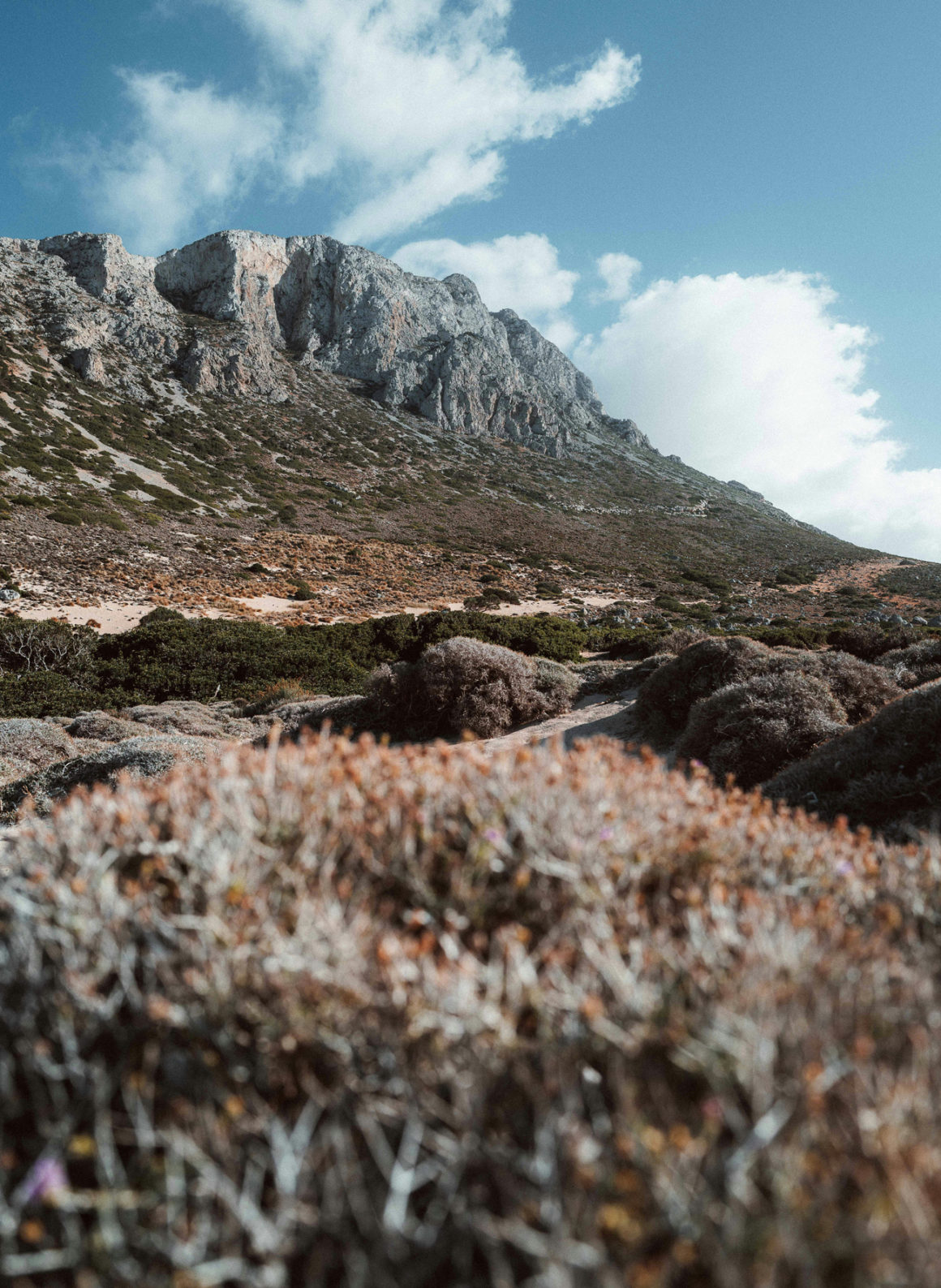
To the untrained eye, a patch of wild greenery might not reveal much. To someone who knows what to look for, it could be the beginning of lunch. Across Greece, edible plants grow on mountainsides and in fields, between stones and along rocky coastlines, each appearing according to its own season.
Some are instantly recognisable, others require a more experienced eye. There are bitter greens to boil, tender shoots to cook, capers to preserve and aromatic herbs to dry for later. Their names and uses can change from one region to another, along with the knowledge of where to find them, when to pick them and what to do with them once they reach the kitchen.
Together, they offer another way of reading the Greek landscape, one that begins in the wild and often ends at the table.
The Art of Horta
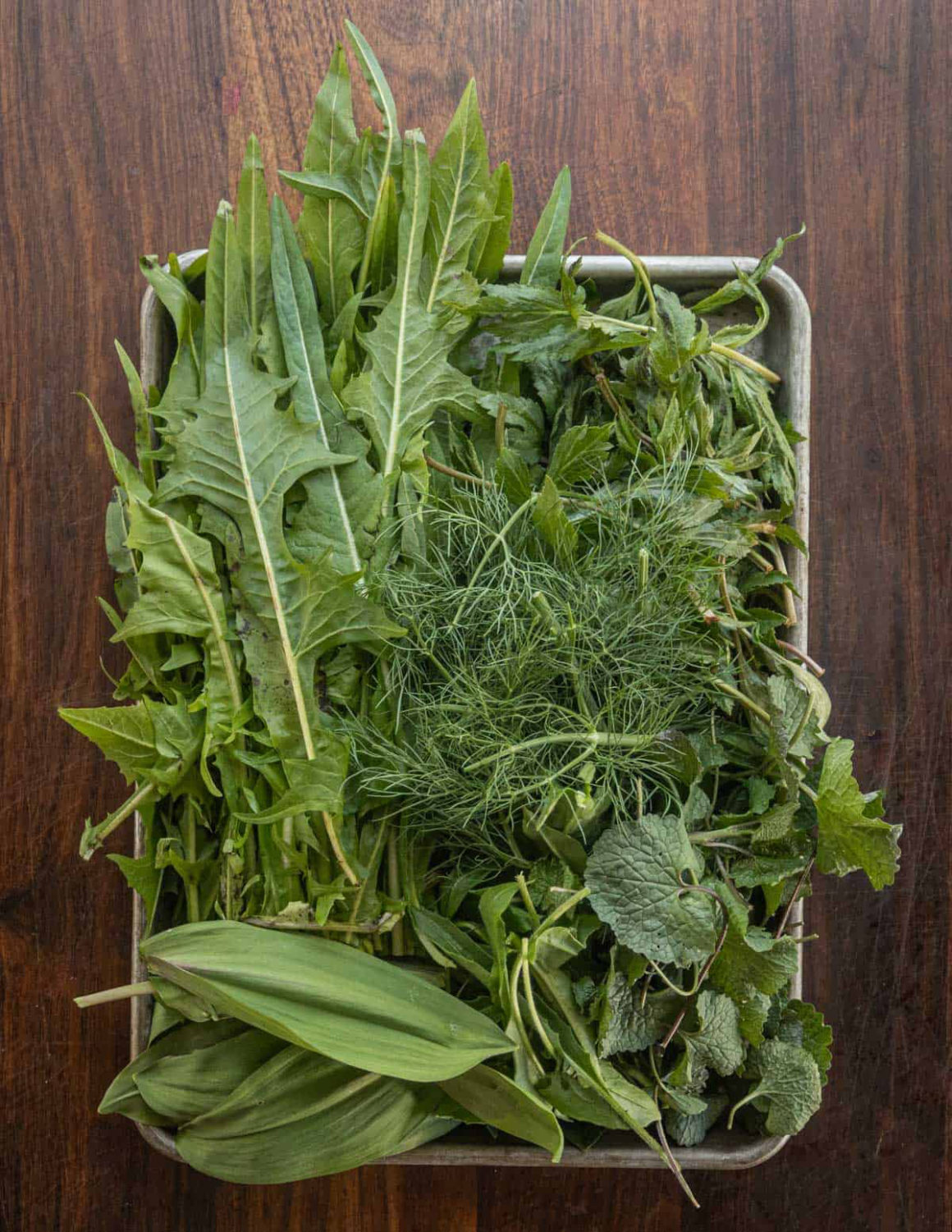
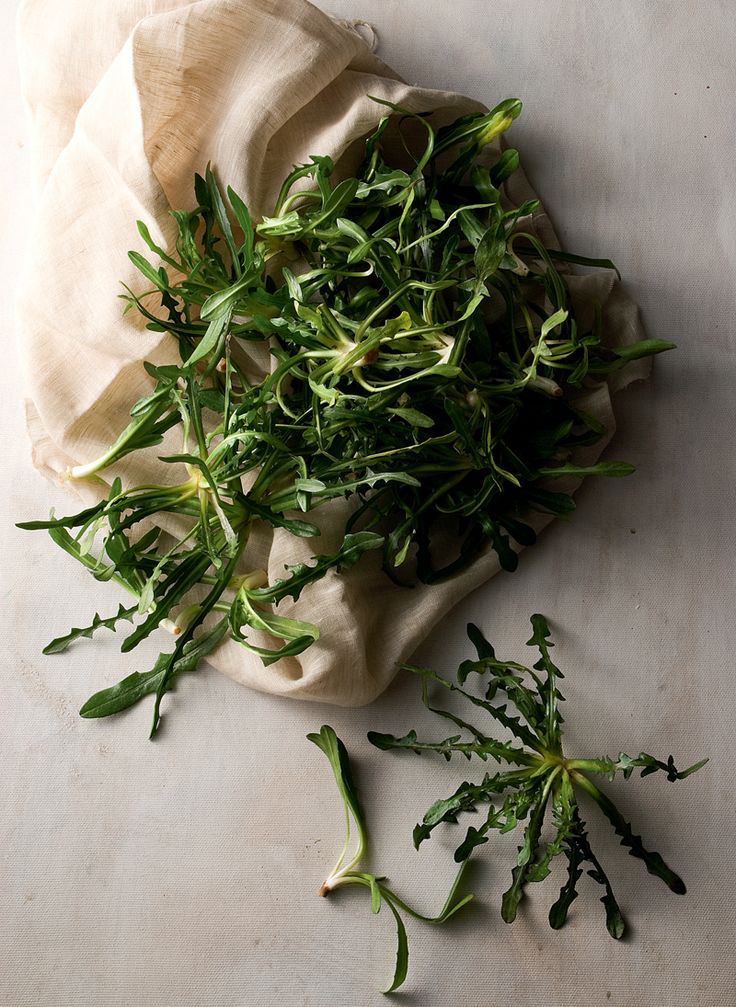
There is no single plant called horta. The word covers a broad and shifting collection of edible greens, from wild chicories and sow thistles to nettles and other tender leaves, depending on where in Greece you happen to be and what is growing at the time.
That variety is part of the culture surrounding them. Ethnobotanical research in Central Crete documented 55 wild green taxa used as food, prepared in ways ranging from simple boiling to cooking with olive oil and folding into pies. Other studies in places such as Karpathos and Ikaria reveal their own repertoires, showing just how local the definition of a good bag of horta can be.
Gathering them requires a different sort of shopping list. You need to know what is in season, which leaves are tender enough to take and how to distinguish one plant from another. Much of that knowledge has traditionally been picked up by going out with someone who already has it — a parent, grandparent, neighbour or friend — rather than learning from a recipe.
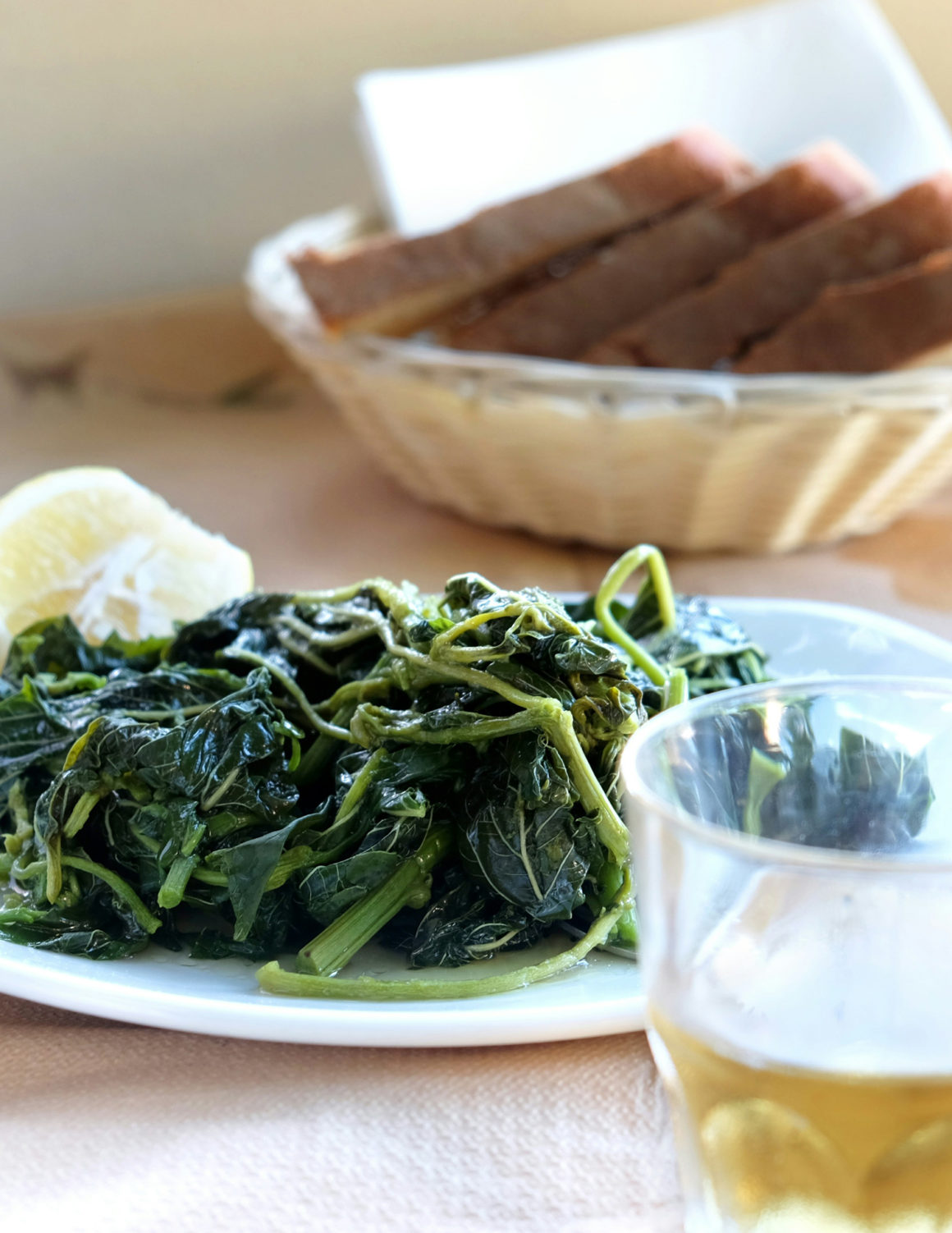
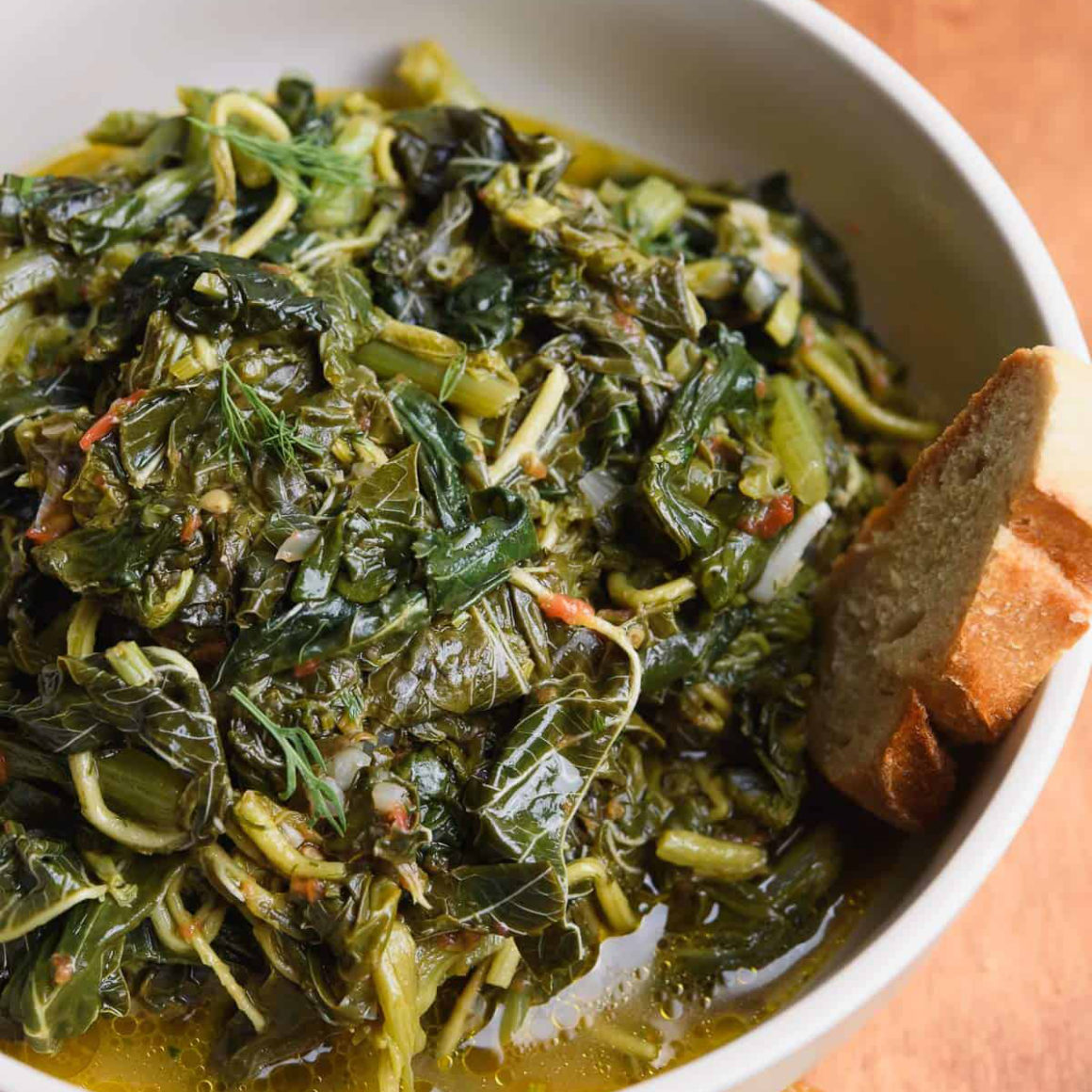
Back in the kitchen, the treatment can be remarkably simple. Boiled greens dressed with olive oil and lemon remain one of the most familiar expressions of horta, allowing bitterness, acidity and the character of the plant itself to do most of the work.
At the Water’s Edge
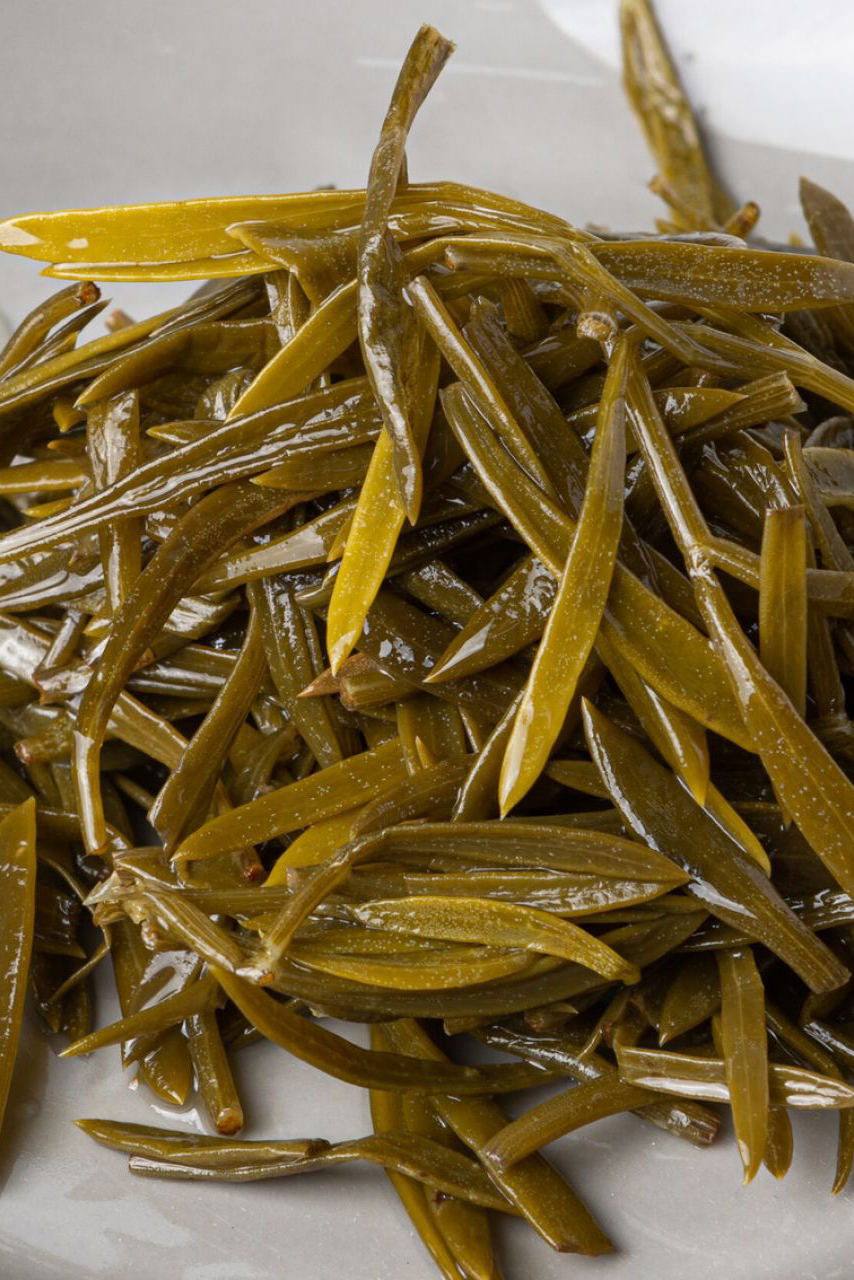
Kritamo grows where land is already giving way to sea. The fleshy green plant, known in English as rock samphire or sea fennel, takes root in crevices along rocky Mediterranean shores, where it is exposed to sun, wind and salt spray.
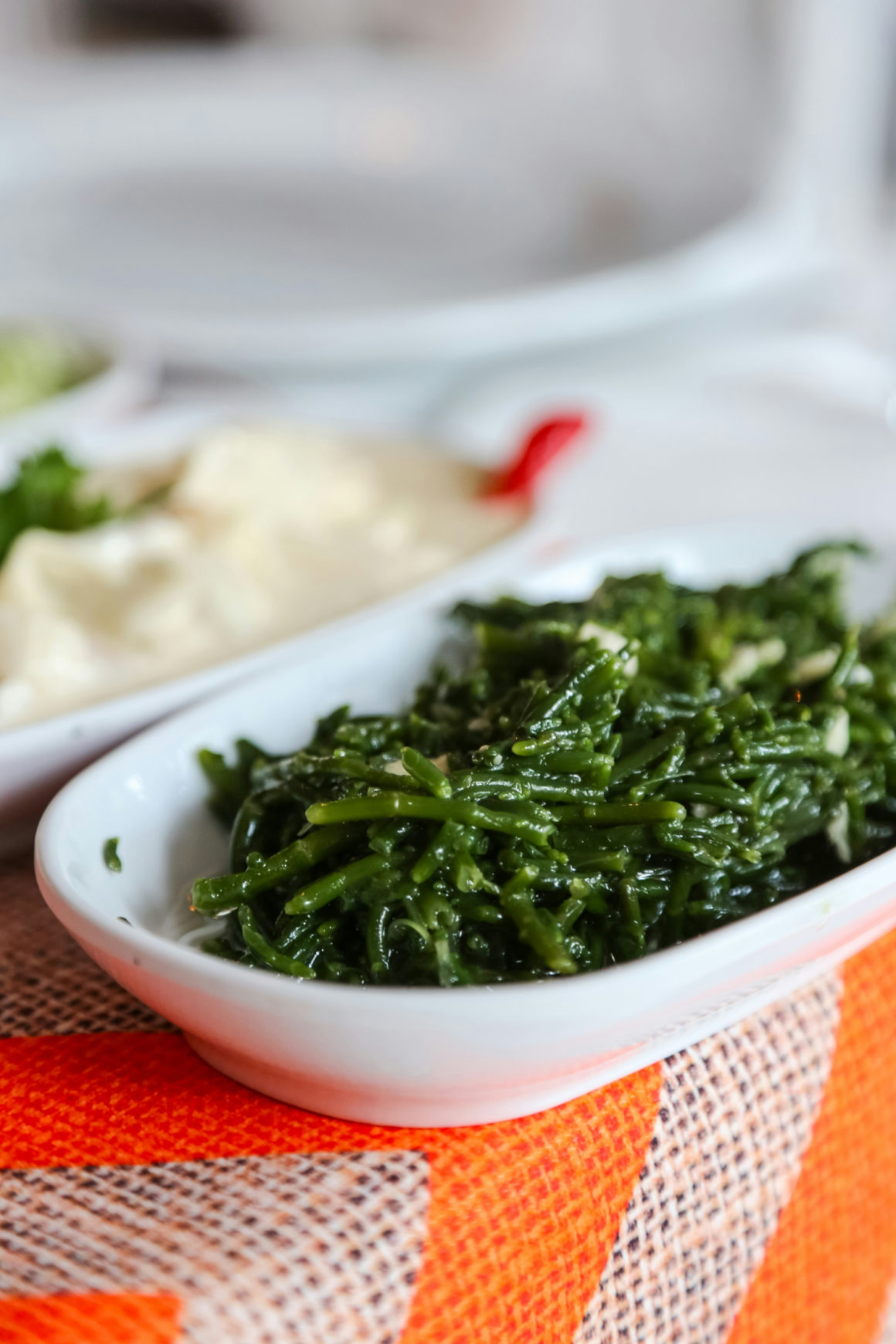
Its young leaves and shoots have a crisp texture and distinctly saline character. They can be eaten fresh, but in Greece kritamo is also commonly preserved in brine or vinegar, extending its life well beyond the picking season. It then turns up beside fish and seafood, scattered through salads or served among other small plates.
The coast offers other greens too. Almyra, a tender halophytic green associated with saline coastal ground, is particularly at home on the summer table. Its slender green shoots are eaten fresh or briefly boiled, usually with little more than olive oil and lemon, and are a familiar companion to fish and seafood. Today it is also cultivated and commonly sold in bunches at markets and greengrocers, though wild forms continue to grow naturally near the sea.
Growing Through the Cracks
The caper is harder to miss. Across the Cyclades, its long branches spill from dry-stone walls, abandoned buildings and cracks in the rock, thriving in places that appear almost inhospitable.
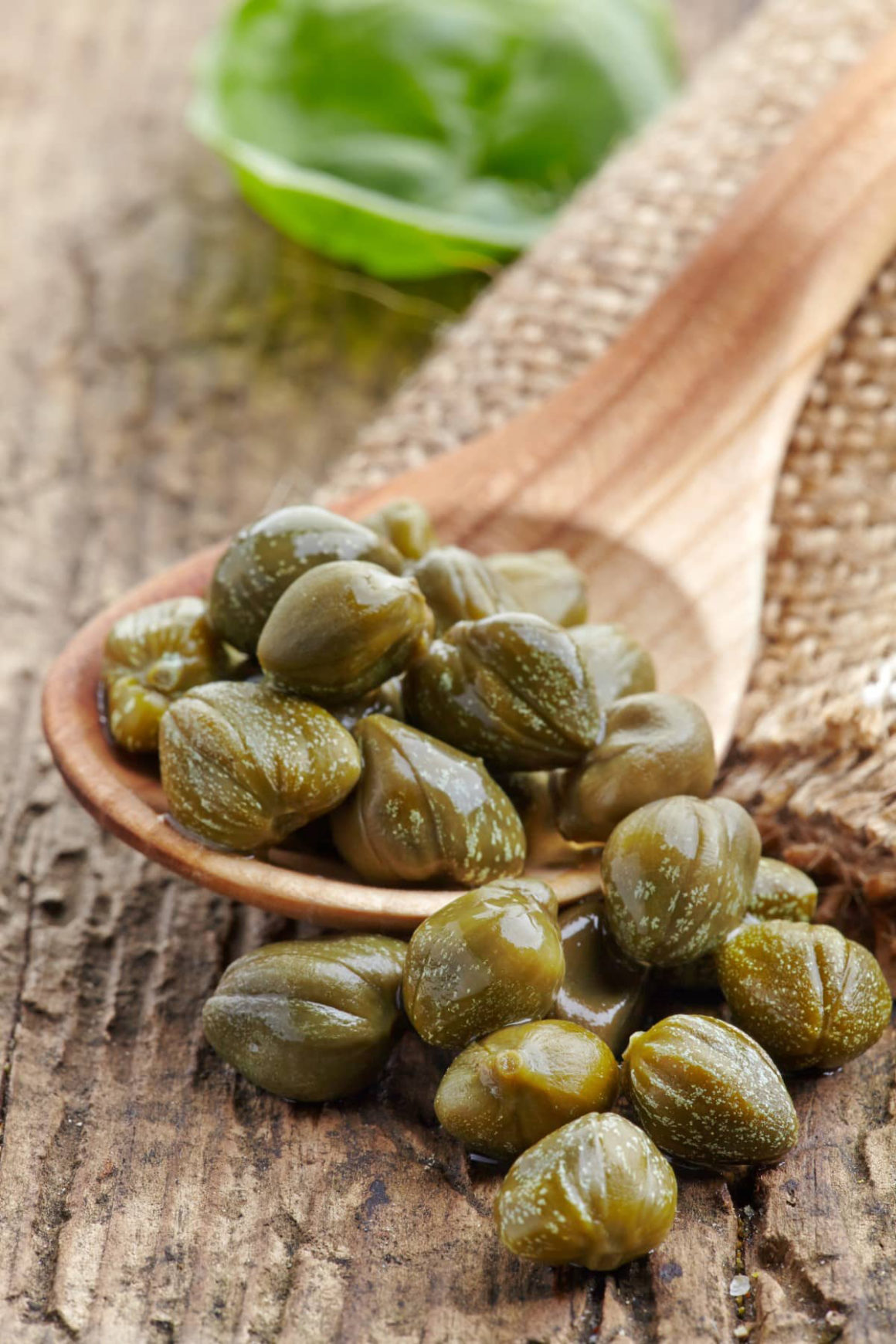
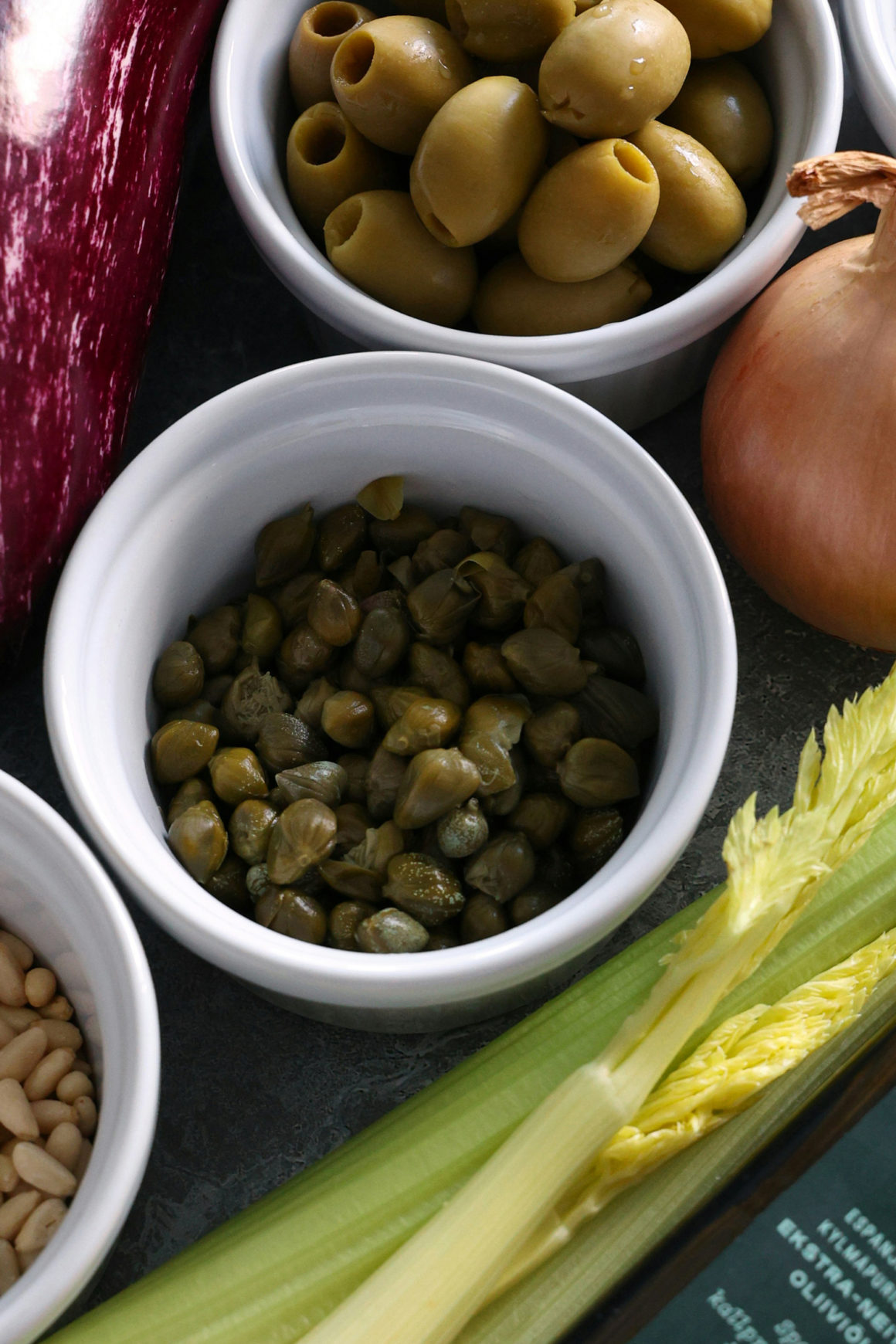
What arrives at the table as kapari is usually the unopened flower bud, picked before it blooms and then salted, dried or preserved in vinegar. But the leaves and fruits are eaten too, with preservation methods varying between islands. Recent research on capers from Sifnos, Serifos and Tinos confirms the continuing tradition of gathering wild buds and leaves in the Cyclades and preserving them in several different ways.
Perhaps that explains why capers feel so at home in island cooking. They are not an ingredient brought into the landscape. They are already growing through it.
Learn to Like Bitter
Not everything gathered from the Greek countryside is immediately gentle on the palate. Bitterness is part of the point.
Stamnagathi, the spiny chicory particularly associated with Crete, belongs to a much larger family of wild chicories and bitter greens that have long been appreciated rather than disguised. They might be boiled and finished with olive oil and lemon, cooked into other dishes or combined with milder plants.
The taste is significant. An ethnobotanical study in Olympos on Karpathos found that half of the 69 wild green taxa recorded had a bitter taste, rising to 70 per cent among the plants most frequently mentioned by local participants.
It is a useful reminder that the Greek relationship with wild greens is not simply about making use of whatever happens to grow nearby. Certain flavours have become desirable precisely because generations have learned to recognise and appreciate them.
What Goes Into the Pie
Ask what belongs in a hortopita and the answer is unlikely to be identical twice.
Wild fennel might provide its unmistakable perfume. Nettles can add depth once their sting disappears in cooking. Depending on the place and season, various chicories and other tender greens join the mixture, along with cultivated spinach, leek or herbs from the garden.
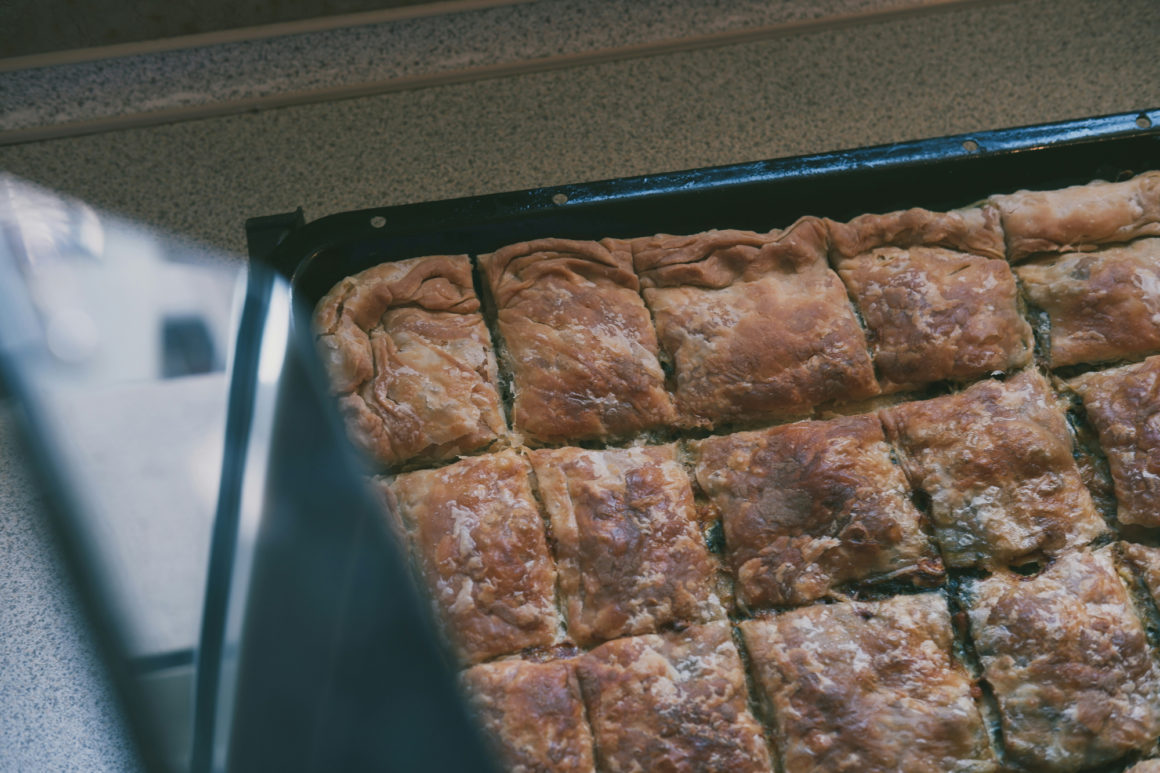
The point is often the mixture itself. Research in Crete found homemade pies to be one of the principal uses for gathered wild greens alongside boiling and cooking them tsigariasta. A good pie can therefore become something of an edible map of what happens to be growing nearby.
There is rarely much need for one ingredient to dominate. A little bitterness, something aromatic, a softer leaf and plenty of olive oil are folded together inside pastry. What began as a walk through a field becomes dinner.
Don’t Mind the Thorns
Some wild ingredients demand more commitment.
Askolymbros, or golden thistle, does not immediately suggest dinner. The plant is armed with sharp spines, yet its tender stems, leaves and roots have traditionally been gathered and cooked in parts of Greece. Preparing it takes work, which makes finding it on the table feel all the more worthwhile.
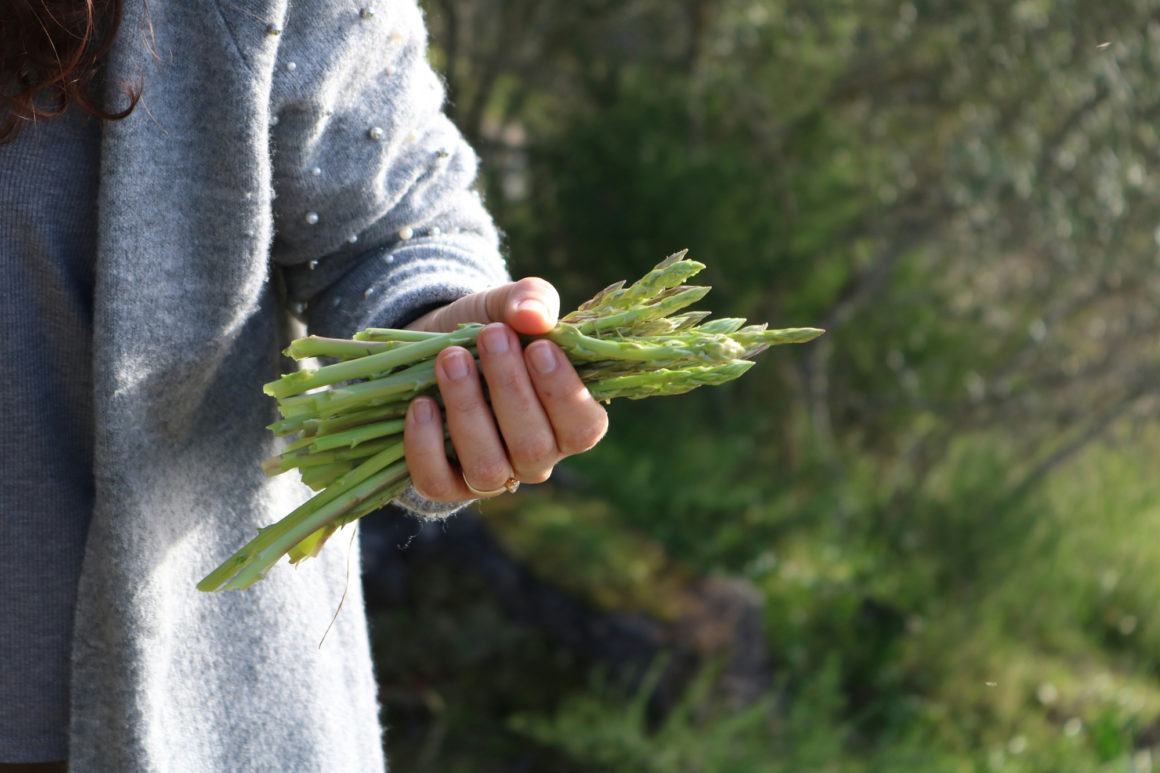
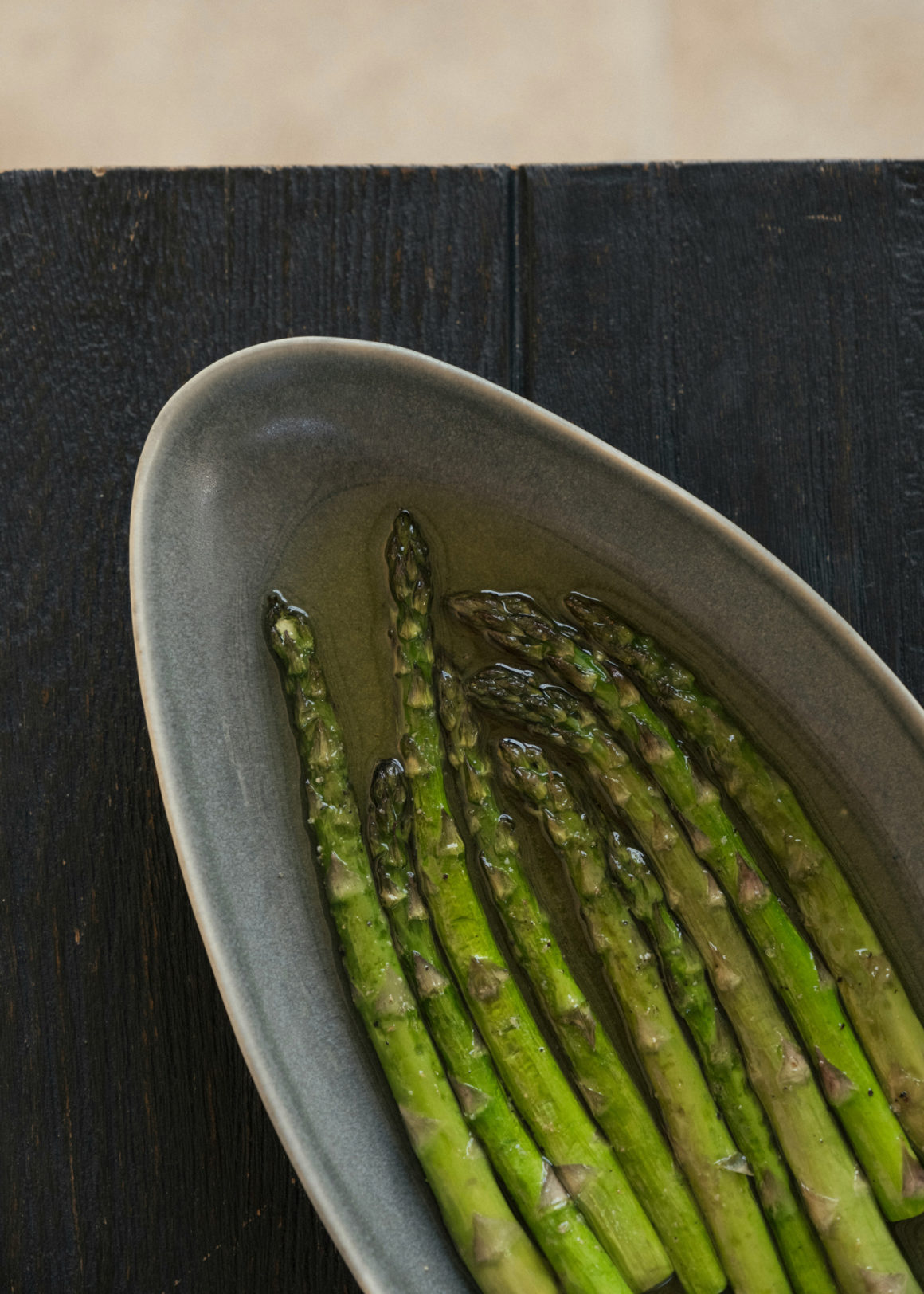
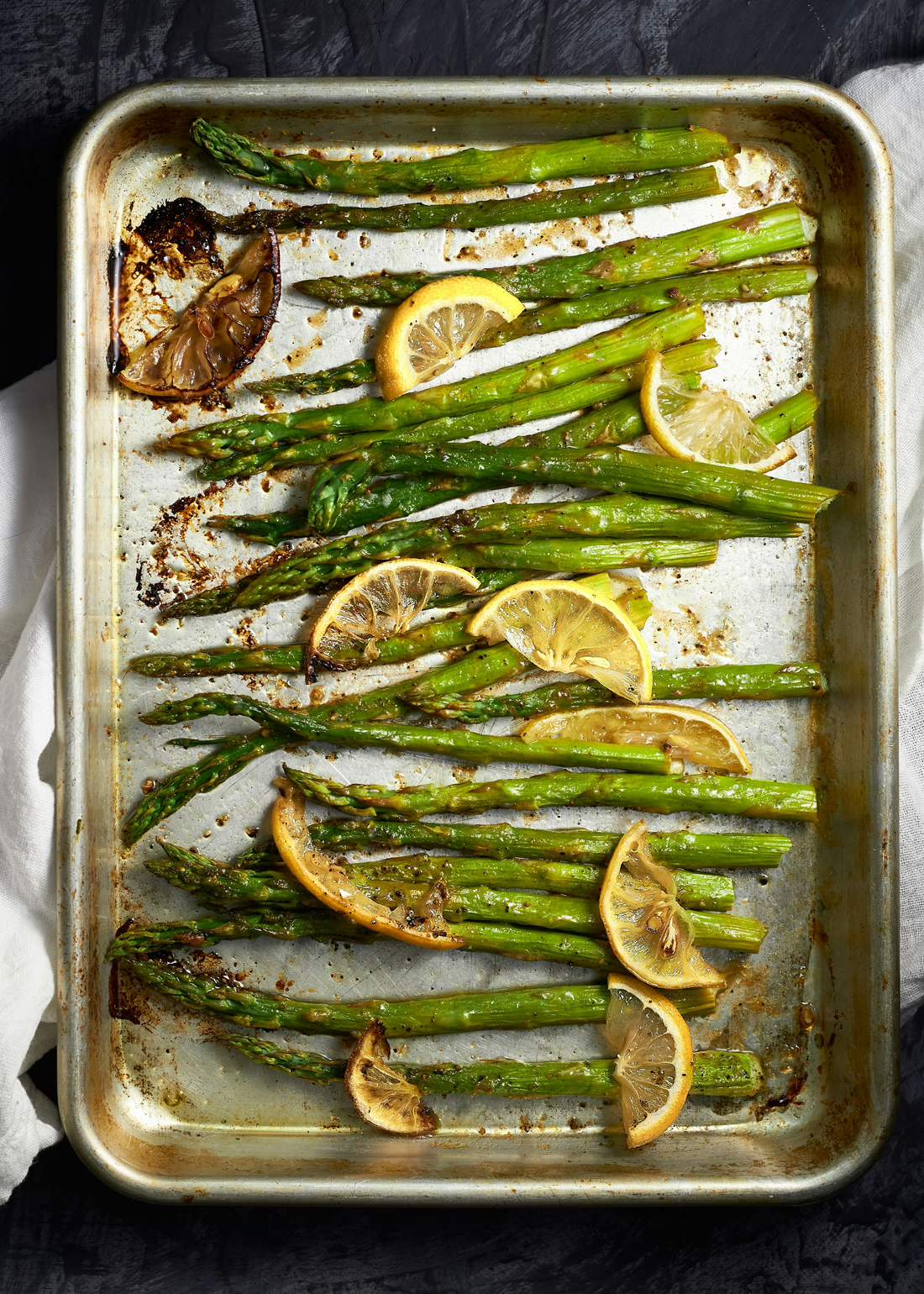
Wild asparagus offers a different challenge. Its slender shoots emerge seasonally among the surrounding vegetation and are easily missed by anyone who does not know what to look for. Once spotted, however, they need little embellishment. They can be cooked with eggs, added to simple dishes or treated much as cultivated asparagus would be. Wild asparagus has been documented among gathered foods in several parts of Greece, including Crete and Ikaria.
Both make the same point in different ways. The wild pantry does not necessarily give itself away easily.
The Wild Aromatics
Not everything gathered from the Greek landscape arrives on the plate by the handful.
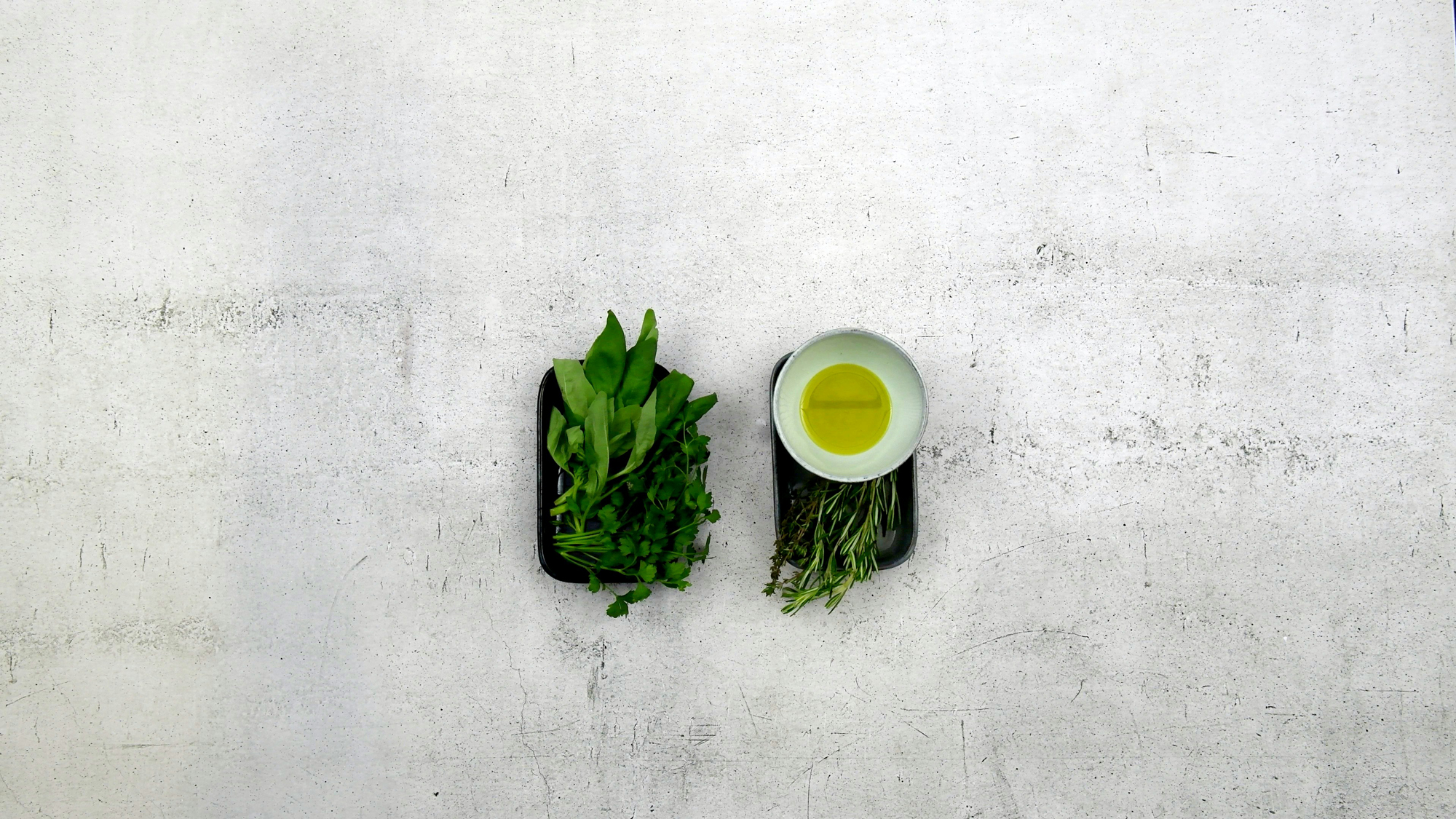
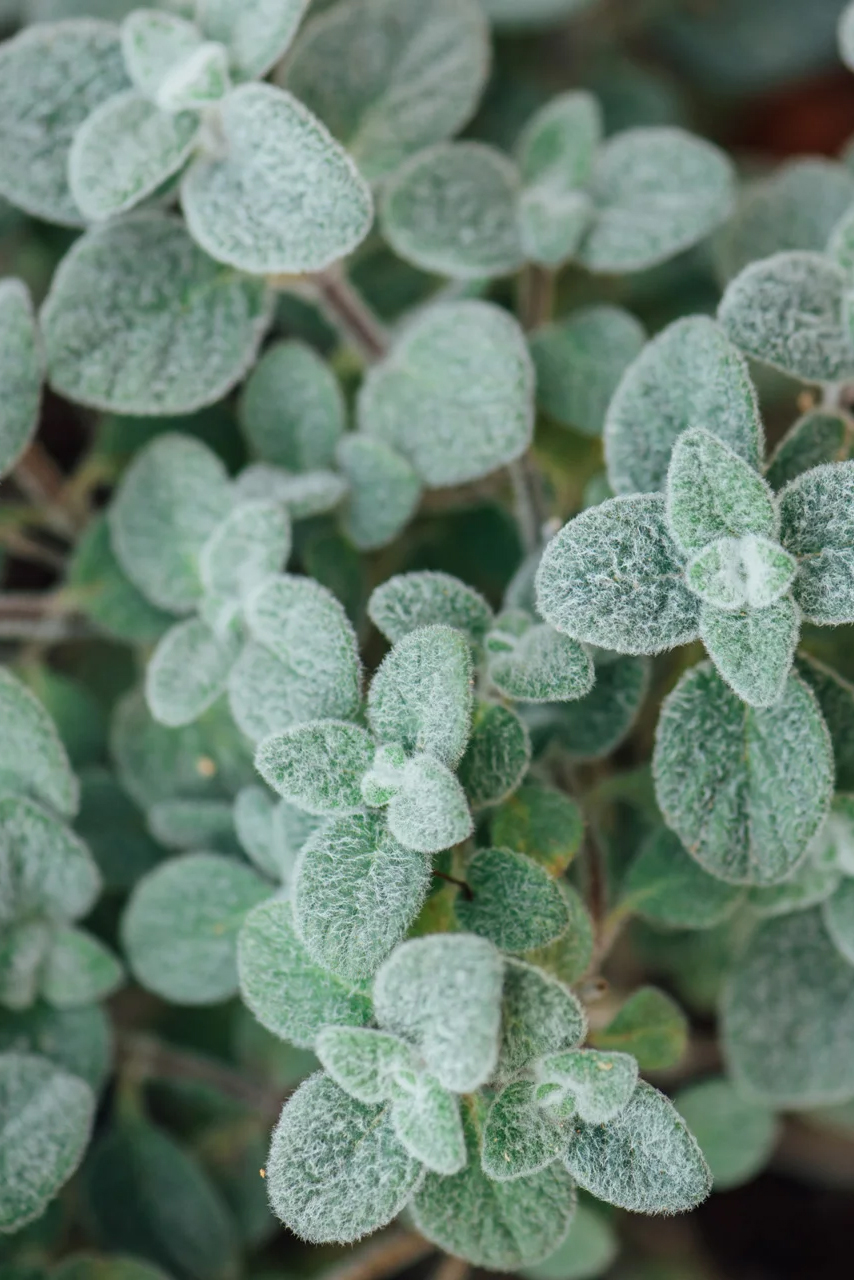
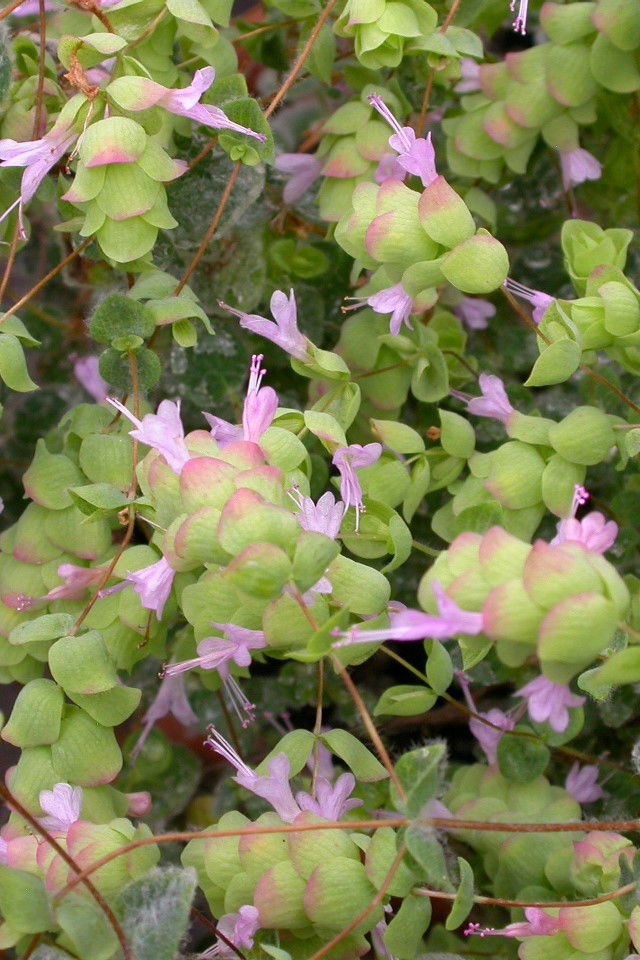
Wild oregano, thyme, sage and fennel are among the aromatic plants that grow across different parts of the country, their presence shaped by altitude, climate and terrain. In Crete, dittany has an especially strong connection to the island, growing naturally on rocky slopes and cliffs.
They occupy a slightly different place from horta. Leaves and flowers can be gathered and dried, then used sparingly in cooking or steeped as herbal infusions. Their value lies in concentration rather than volume: a few leaves can carry the scent of the hillside into a dish months after they were picked.
This distinction also appears in ethnobotanical research. Studies devoted specifically to wild greens sometimes exclude seasoning and aromatic plants from their counts, despite their importance in local food culture. They belong to the same edible landscape, but to a different part of the kitchen.
Knowing What to Pick
The most important ingredient in all of this might be knowledge.
Recognising a wild plant is only the beginning. There is knowing when it is tender, which part to take, how much to gather and how to prepare it. There is also knowing what not to pick. Research in Crete has found differences between generations in the number of wild edible plants people recognise, suggesting that some of this knowledge becomes more fragile when it is no longer regularly practised.
Perhaps that is what makes a plate of horta, a jar of capers or a handful of wild asparagus more interesting than the ingredients alone suggest. They carry with them an understanding of a particular place and season, built through repetition and observation.
Across Greece, that knowledge turns coastlines, fields and mountainsides into something more than scenery. You only need to know what you are looking for.