By early spring, Greece begins to feel different. Not dramatically -nothing announces it outright- but you notice it all the same. The light softens, carrying that first real warmth of the year. Evenings stretch a little longer. Windows open again and balconies come back to life.
And then, gradually, people begin to leave. Cars slip out of Athens. Ferries start to fill. Suitcases are packed for something more familiar than a simple holiday. Α return to family homes, villages and islands that feel unchanged in all the right ways.
Easter unfolds within this shift.
The Holy Week
There is a certain calm that settles in during Holy Week. Church doors remain open late into the evening, and it’s not unusual to step inside for a moment, as it feels like the natural thing to do. Candles flicker against dark interiors, the air lightly scented with incense.
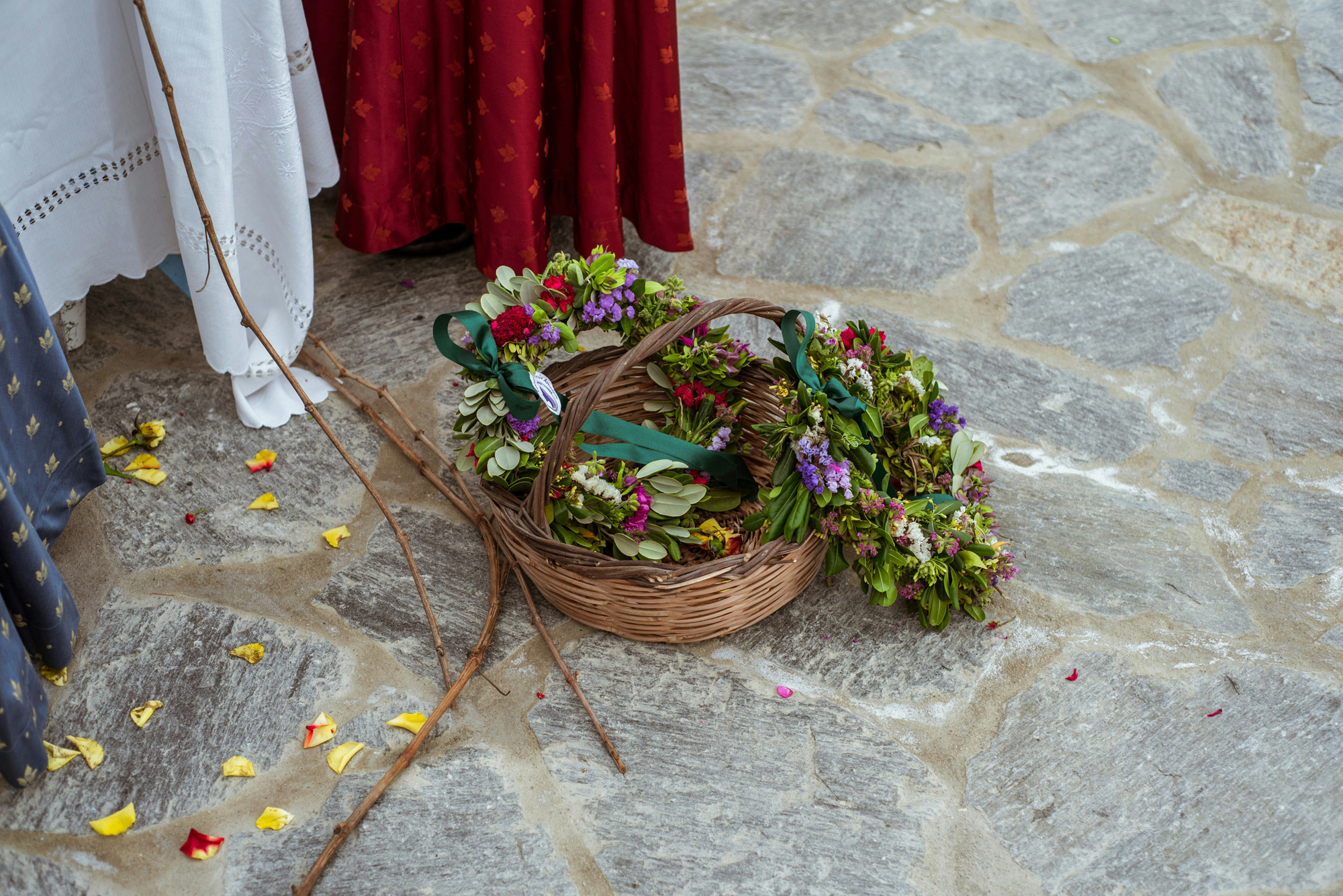
By Good Friday, the tone is set. In neighborhoods across the country, the Epitaphios passes slowly through the streets, covered in flowers. People follow with candles, often in silence, moving together without much direction.
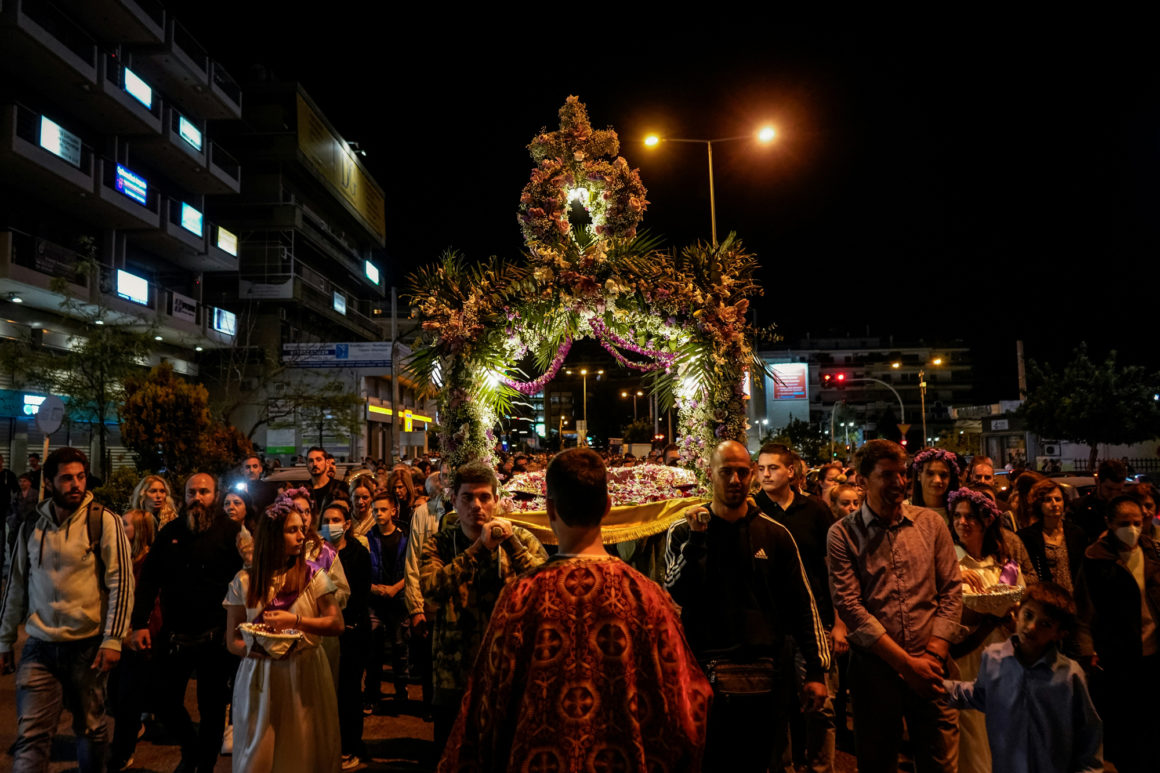
And then, by Saturday night, everything begins to lift. Crowds gather outside churches just before midnight, candles in hand. For a moment, there is darkness — and then the light passes from one person to another, until entire streets begin to glow. People turn to each other, exchanging greetings, protecting the flame as they carry it home.
By Sunday, the atmosphere opens up. The stillness of the week gives way to something more expansive. Doors open, tables are set, voices grow louder.
Easter, Across the Country
While the rhythm of Holy Week remains familiar, its expression alters from place to place. Across Greece, Easter takes on different forms, sometimes loud and unpredictable, sometimes quiet and inward, shaped by local traditions carried on for generations.
Patmos — A Quieter Easter
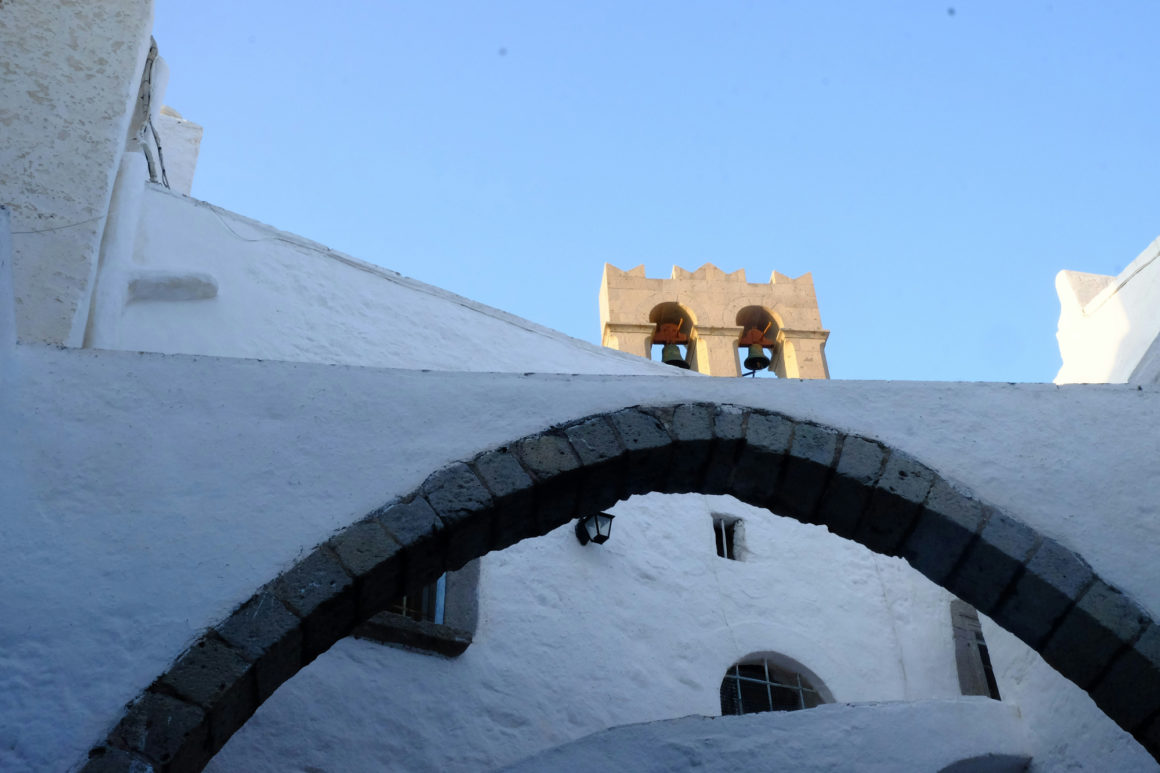
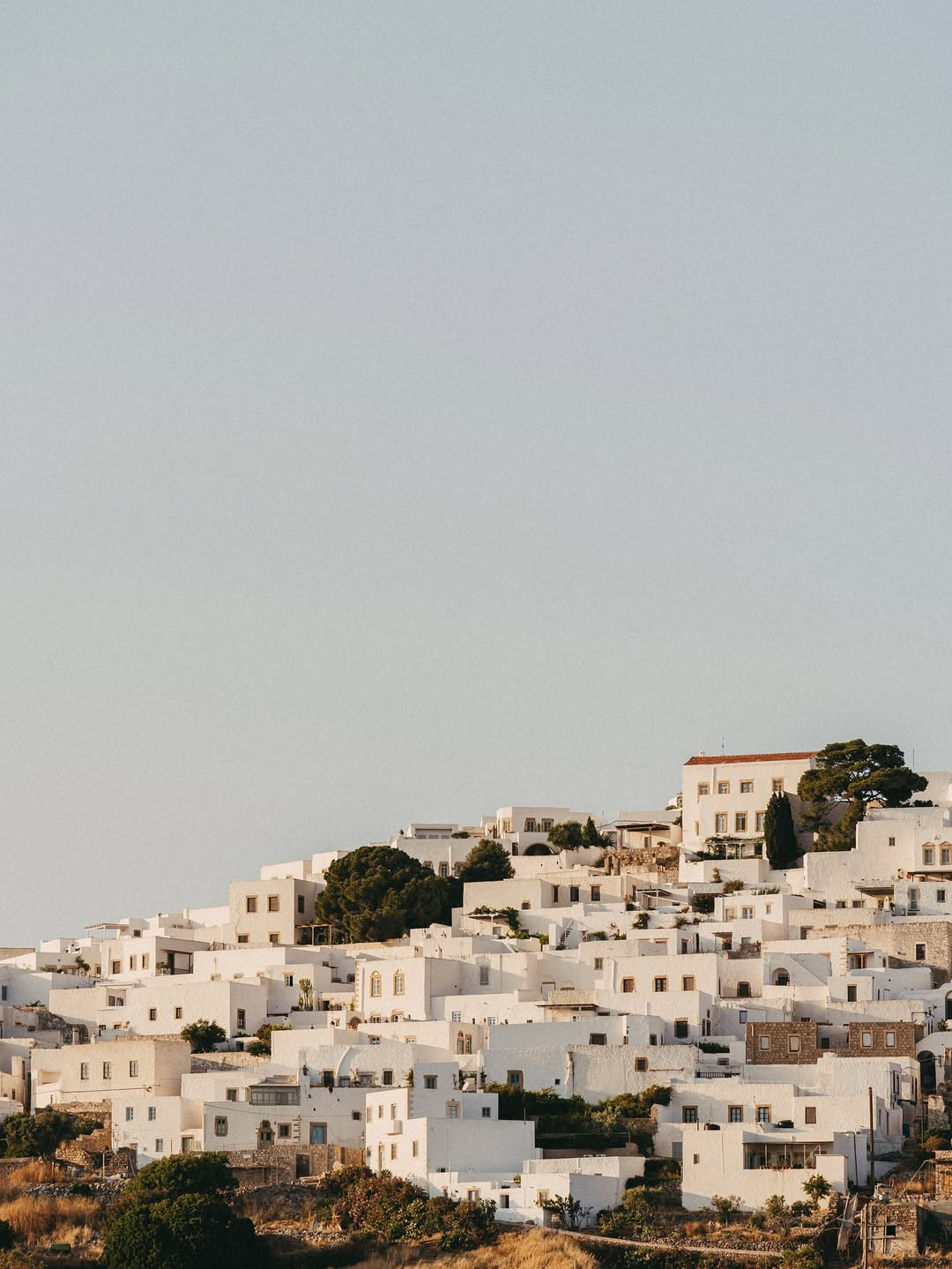
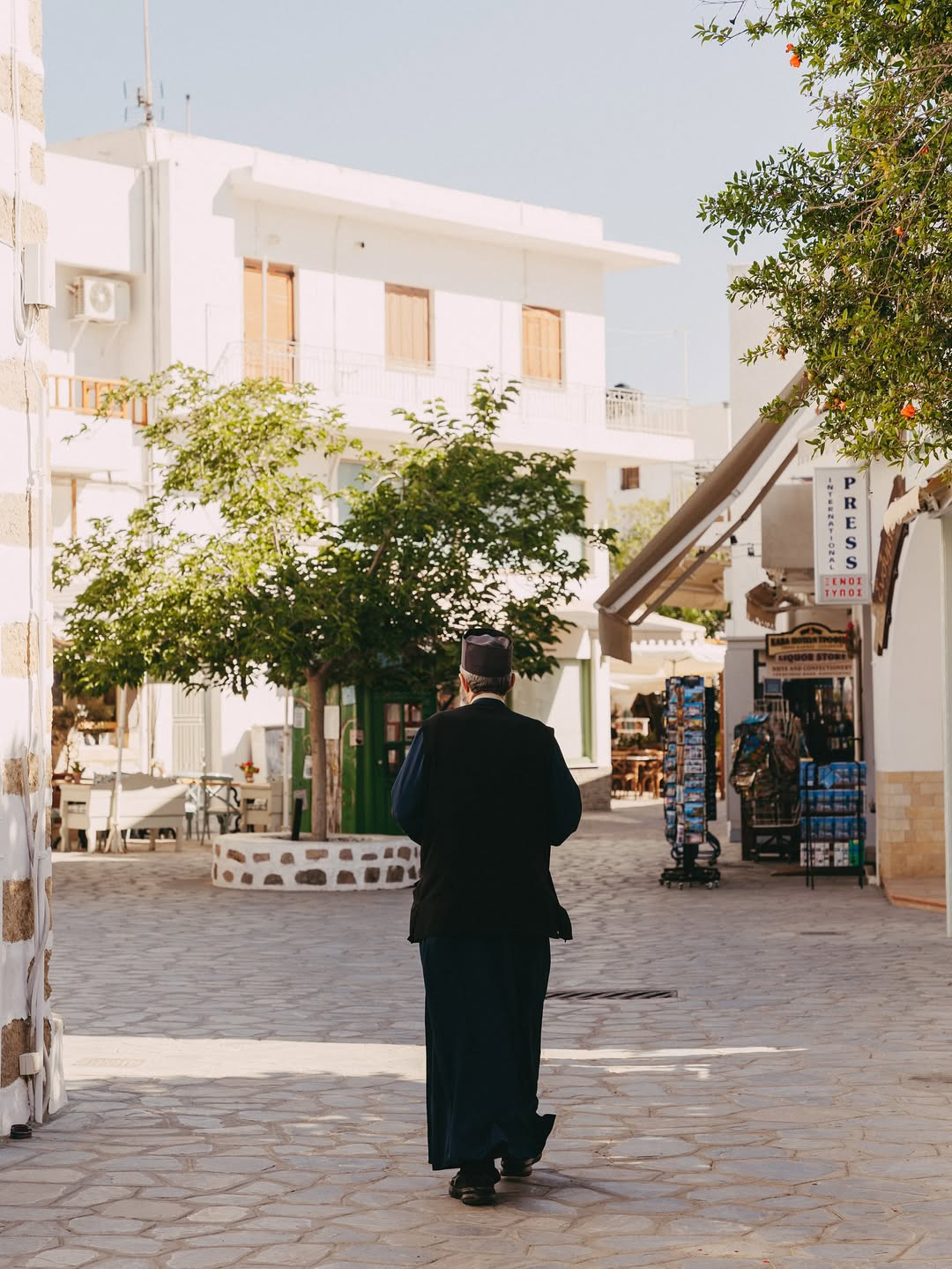
In Patmos, Easter feels more inward. The island carries a long association with faith, but during Holy Week, it’s less about history and more about atmosphere. The Monastery of St. John becomes a focal point, as a place people move towards, almost instinctively.
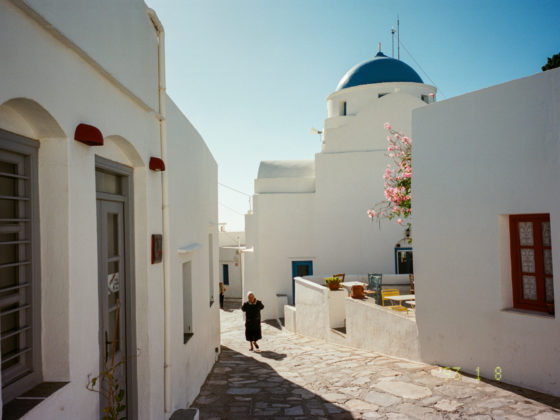
Rituals unfold slowly. A washing of feet. A moment of stillness. The quiet reenactment of something that has been repeated for generations. At night, the island settles into a softer rhythm. Candles move through narrow streets, light reflecting off white walls. Voices remain low. Even the larger gatherings feel contained, almost private.
Corfu — When Silence Cracks
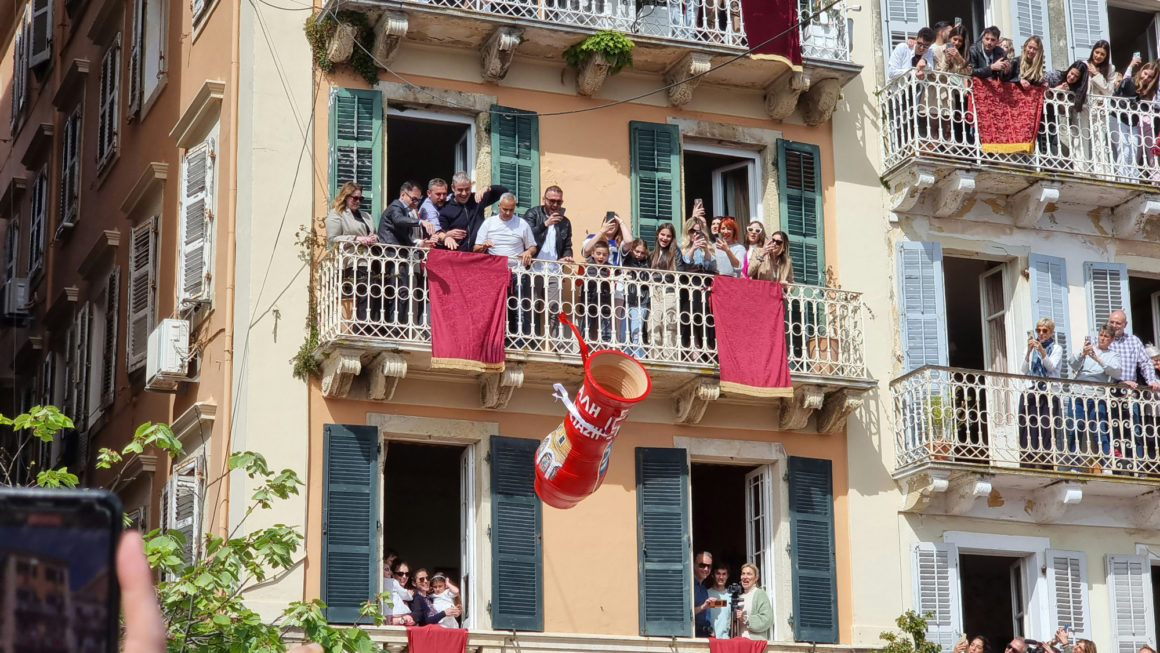
Corfu brings a moment of contrast. On Holy Saturday morning, the stillness breaks with a series of sharp crashes — clay pots thrown from balconies, shattering below. It’s brief, loud, and surprisingly joyful. For a few minutes, the whole town seems to lean outwards, watching, reacting, taking part. And then, just as quickly, it passes.
Chios — Fire in Motion
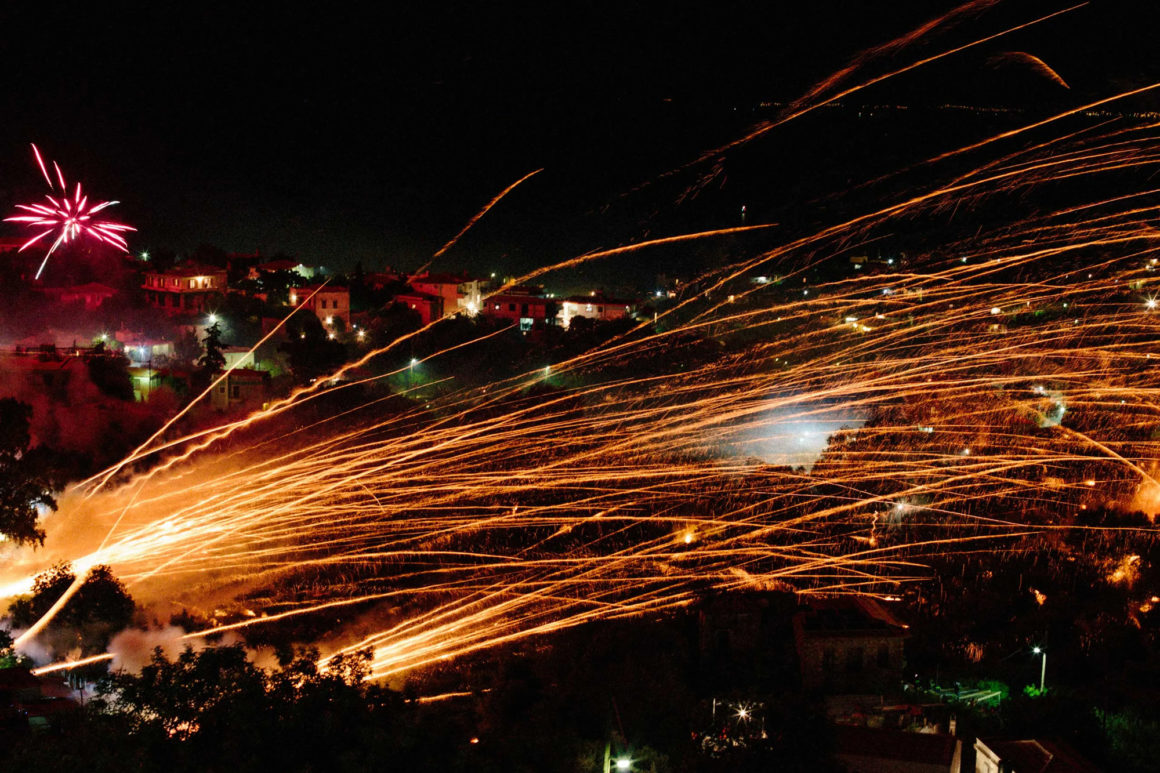
In Vrontados, on Chios, Easter takes on a different energy. As night falls, rockets begin to cross the sky between two churches facing each other across the hillside. The sound builds quickly, sharp, continuous, and the air fills with streaks of light.
It can feel overwhelming at first. There’s a sense of unpredictability. But beneath it, there is a kind of order. A tradition repeated often enough to feel instinctive to those who take part.
Leonidio — Light, Released
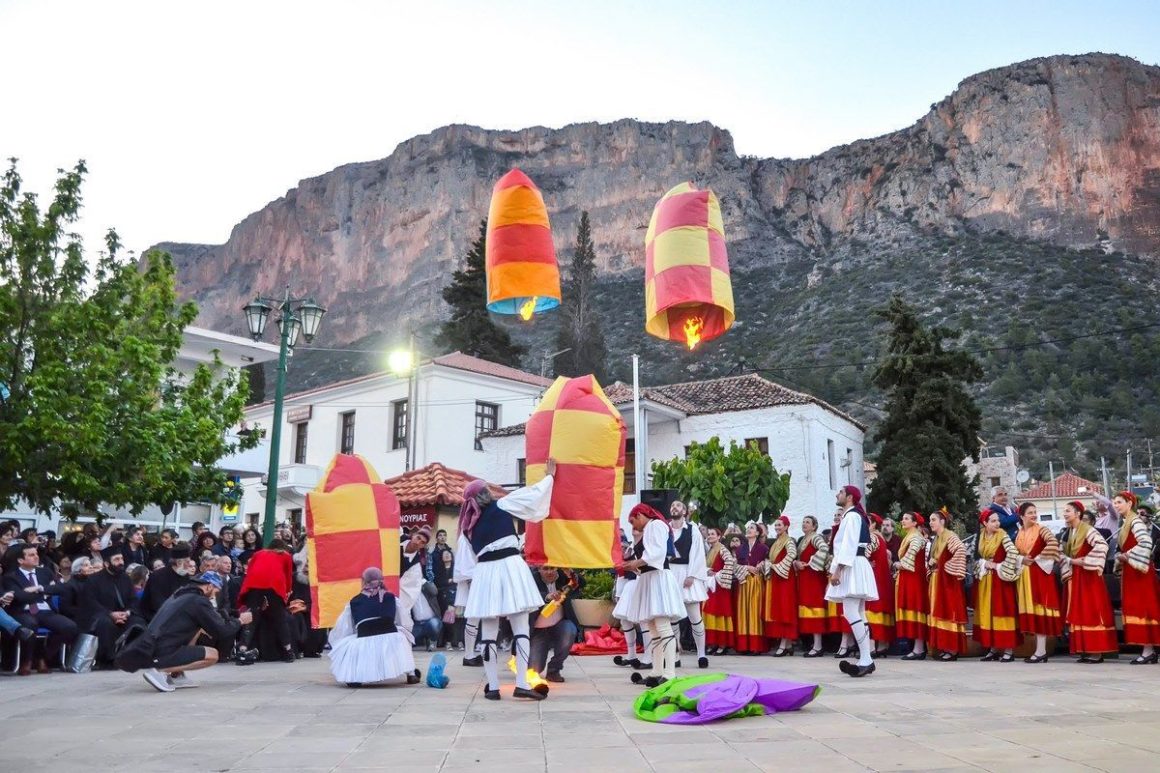
Further south, in Leonidio, the mood shifts again. As midnight approaches, lanterns are released slowly into the sky. There is no single moment to watch for, just a gradual lifting, one after another, until they begin to gather above the town.
The Table, Always
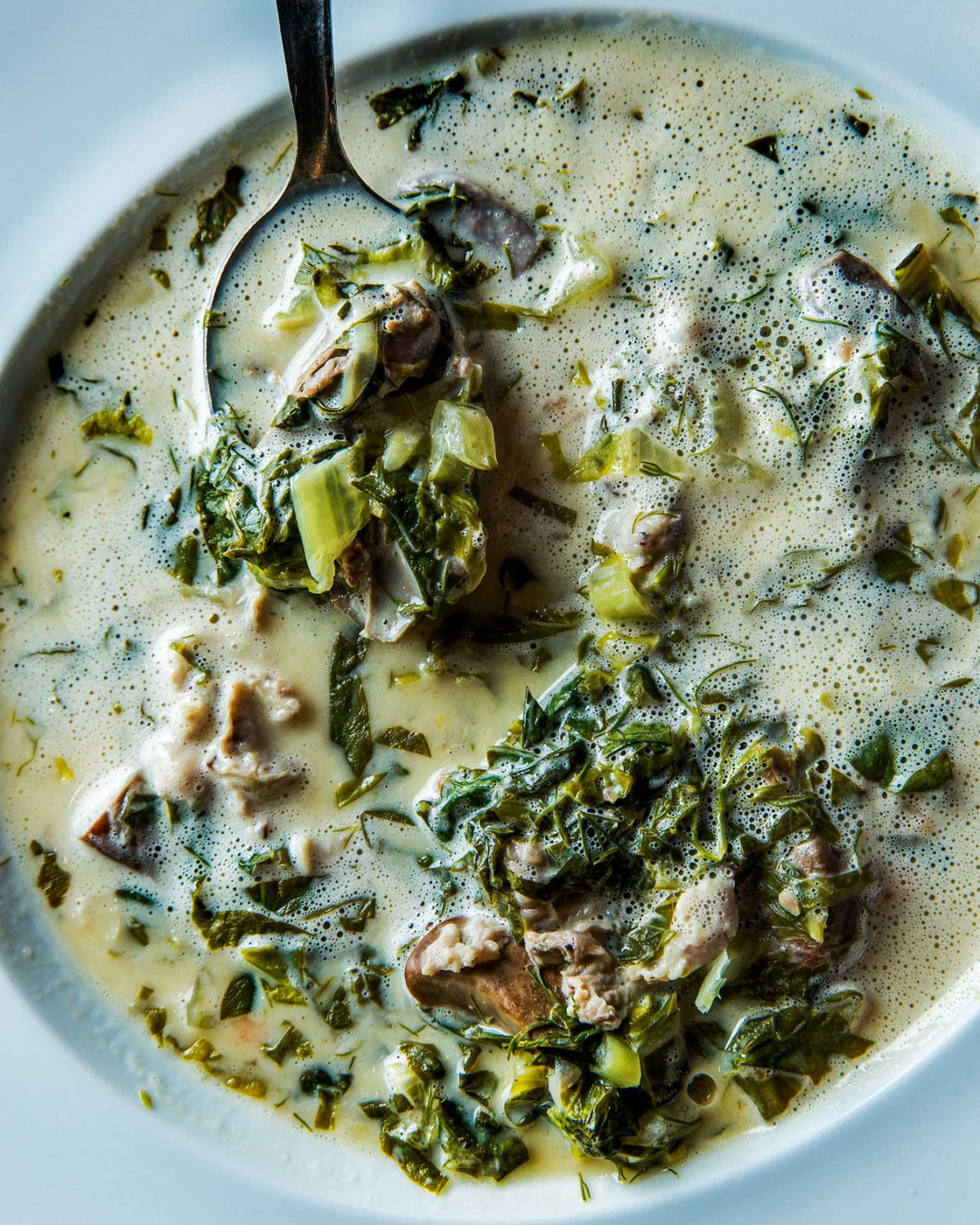
Wherever you find yourself in Greece at Easter, it will, eventually, lead here. After midnight on Holy Saturday, there is magiritsa — warm, restorative, eaten late. The following day is more expansive. Red eggs clash in a cheerful “battle”, a tradition that always sparks laughter. Tsoureki is shared, pulled apart by hand. Plates move across the table without much order.
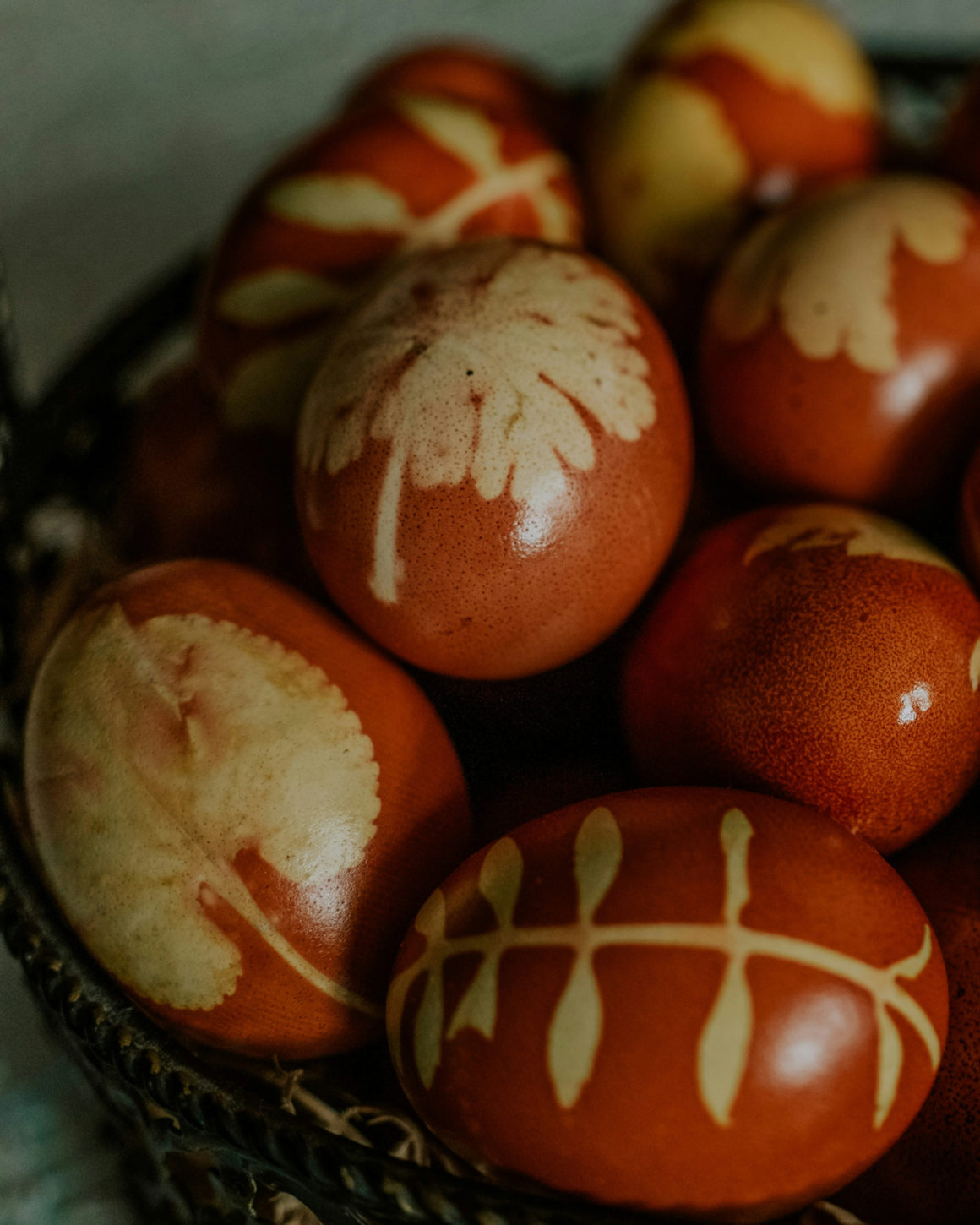
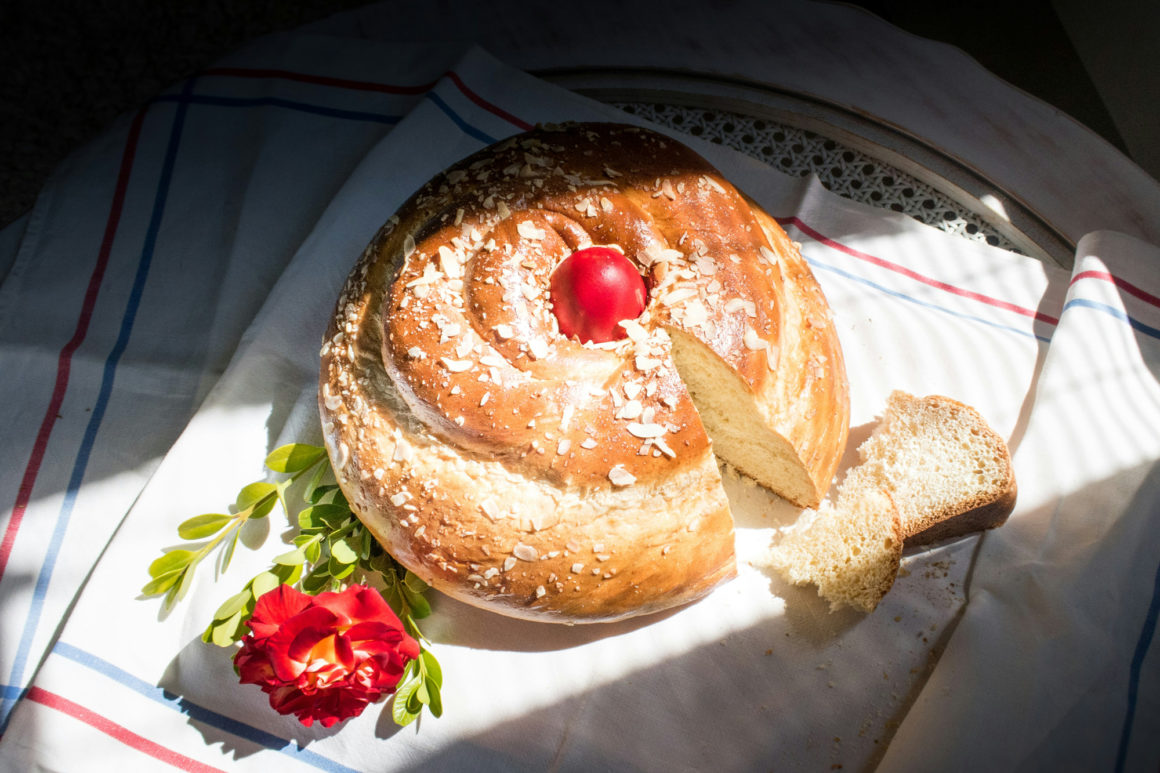
Meals stretch. People drift in and out. Someone always insists you stay a little longer. And you usually do.
Easter in Greece is not something you observe from a distance. Even if you arrive without knowing exactly what to expect, you find your place in it quite naturally. It’s a celebration, certainly, but not in the obvious sense. It’s just more personal. Something built on repetition, return, and the comfort of things done the same way, year after year.
And long after it’s over, it’s rarely the larger moments you remember. It’s the light, the movement, the feeling of being included, even if only for a few days.