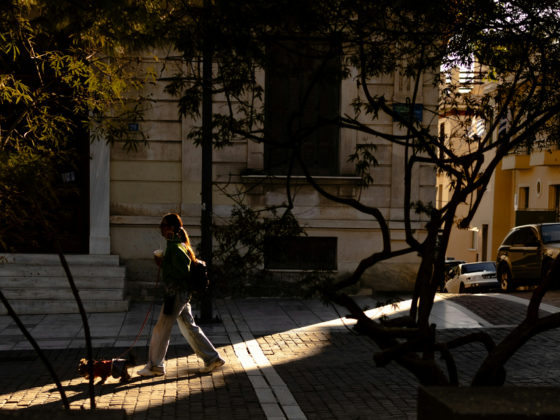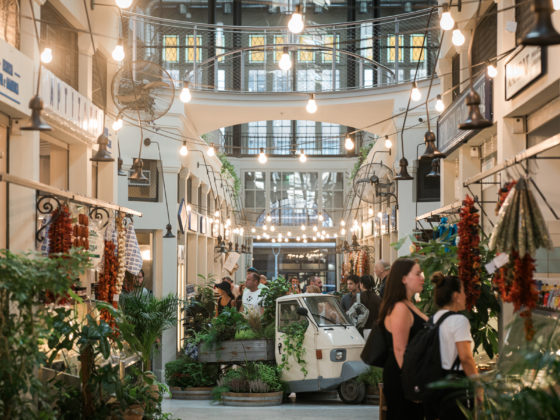
It always happens quietly at first. One afternoon the light lingers a little longer over the city, cafés begin placing a few tables outside again and people start inventing small excuses to stay out just a little later. March in Athens rarely announces itself with confidence. The weather hesitates, warm one day and cool the next. But something shifts. Windows stay open a little longer, the air carries the scent of orange blossoms, and the idea of leaving the city for a few hours suddenly feels right.
Athens has the advantage of being surrounded by possibility. Within a short distance, the landscape changes quickly; the sea appears, mountains rise, small towns unfold slowly in the afternoon sun. A ferry ride or a short drive is often enough to feel somewhere entirely different before returning to the city by evening.
Spring is perhaps the best moment for these brief escapes.
Hydra
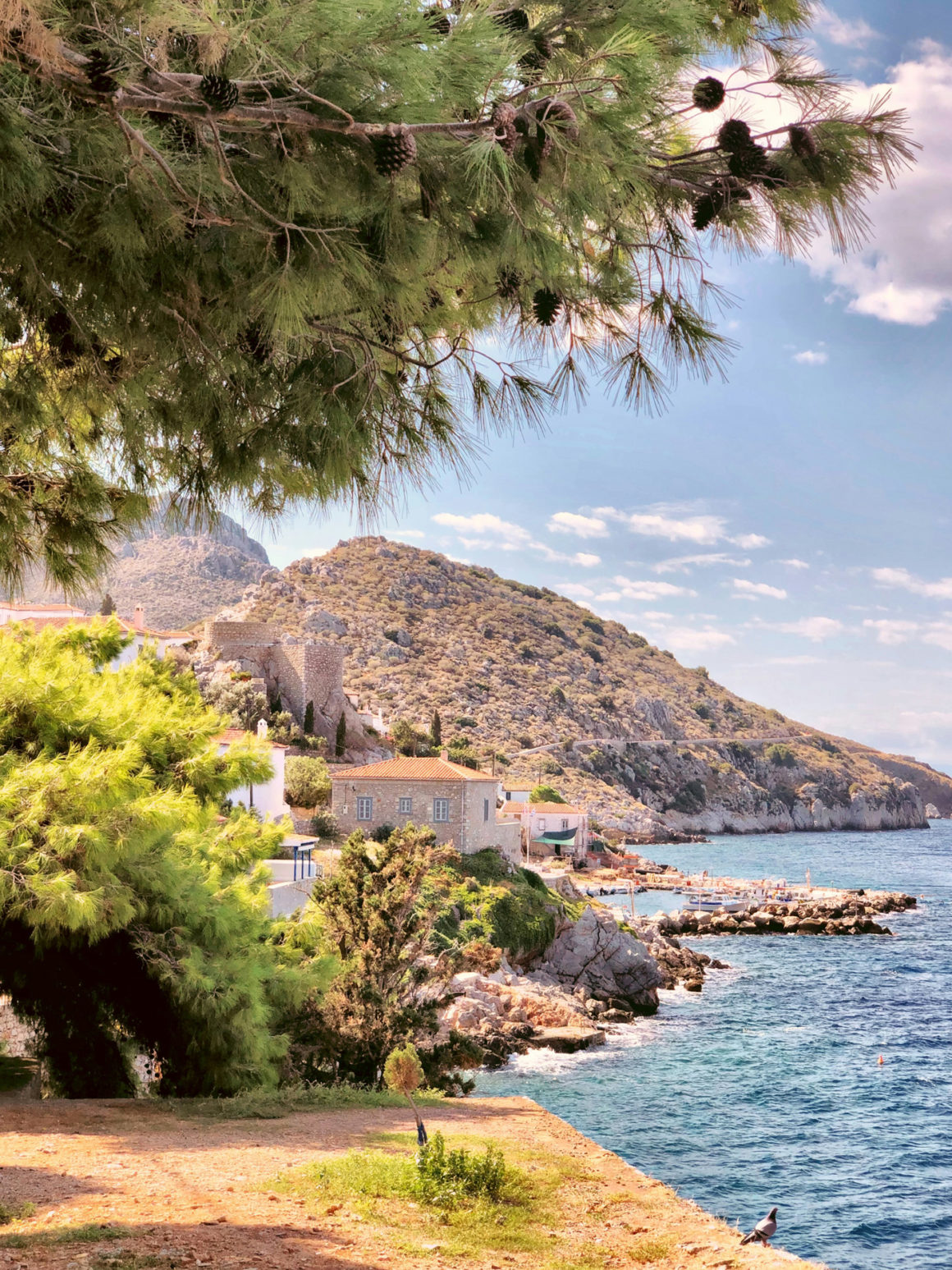
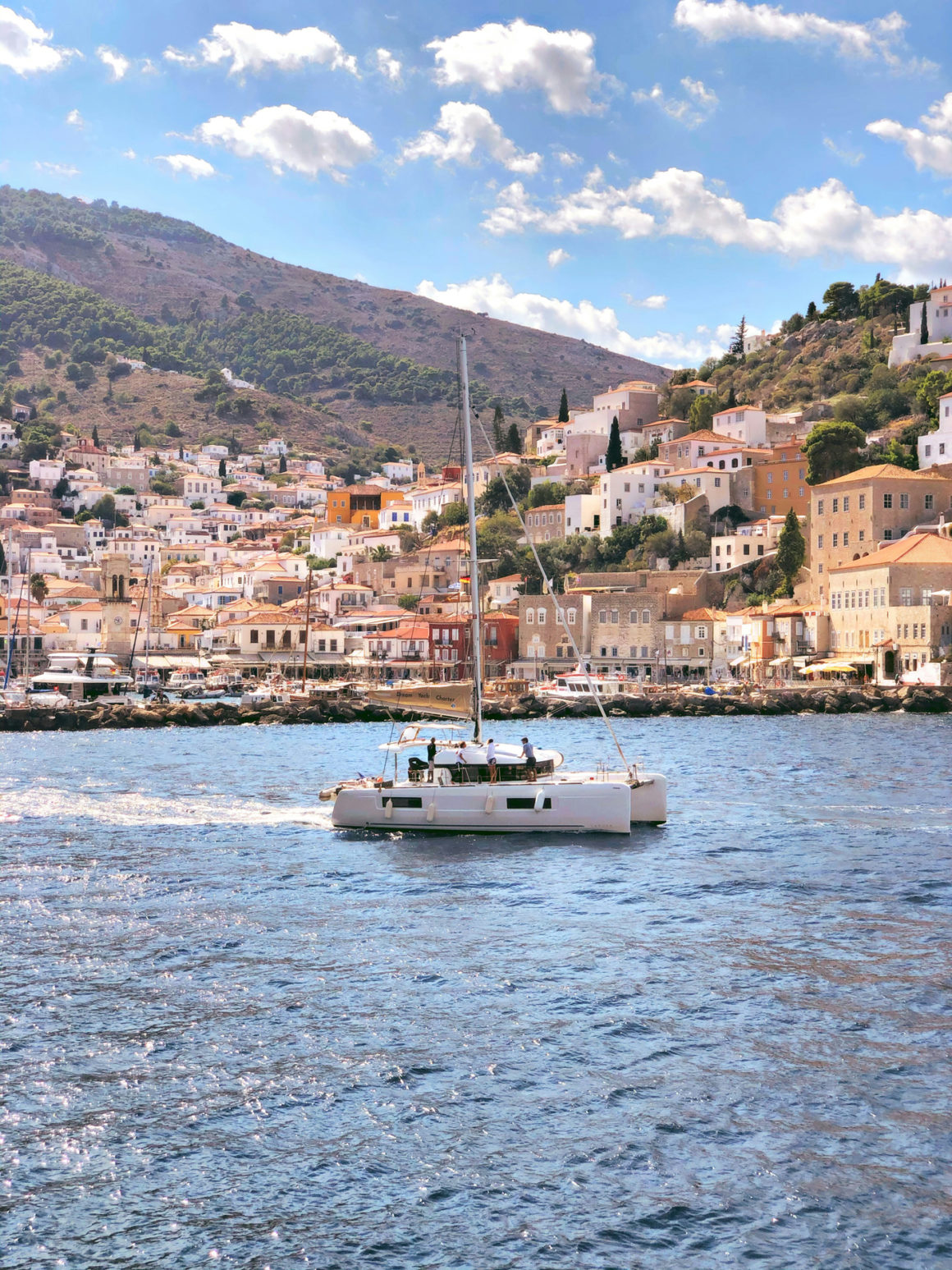
Hydra has always had a way of slowing time down. Without cars, the island moves at the rhythm of footsteps and harbor conversations. Boats glide quietly into the port, people wander along the waterfront and cafés begin to fill gradually as the morning unfolds. In spring the harbour feels especially balanced, lively enough to enjoy, but still calm before summer crowds arrive. A walk along the stone quay, a short climb up the narrow paths above the town and a long lunch beside the water often become the entire plan.
Aegina
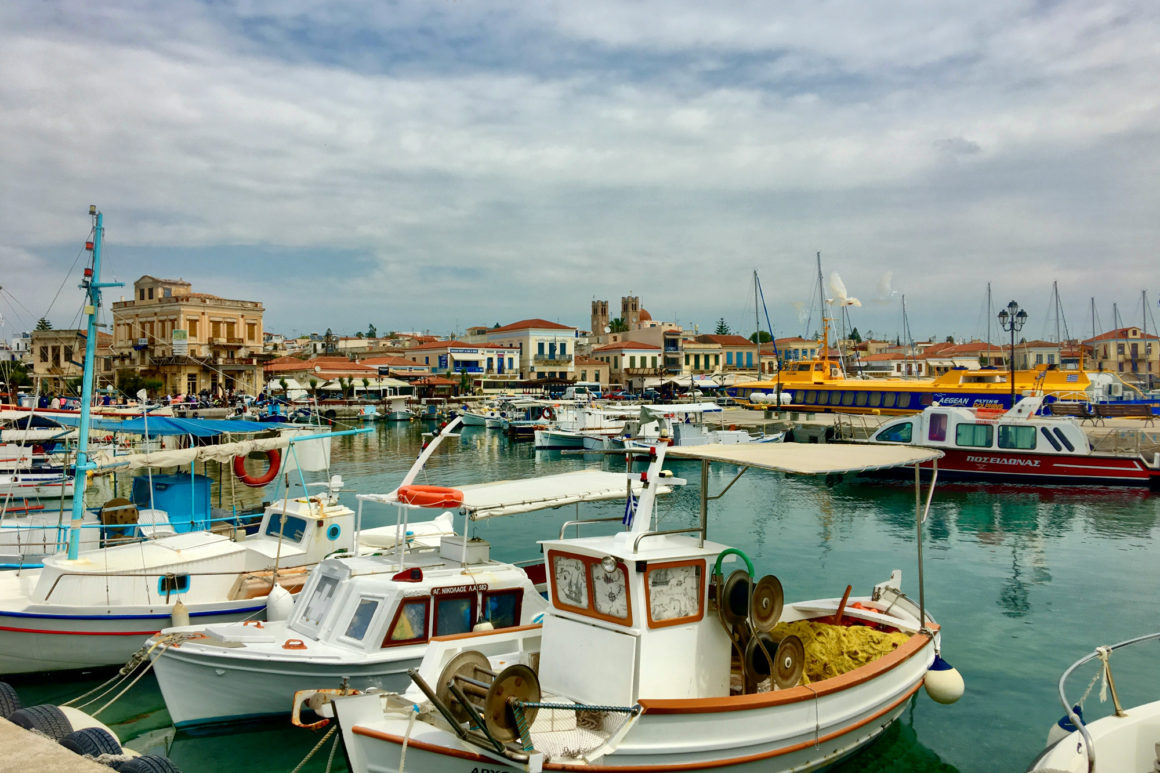
Aegina offers a different kind of simplicity. Less than an hour from Piraeus, the island has long been the most spontaneous escape for Athenians. Fishing boats rock gently in the harbor, small bakeries open early and the Temple of Aphaia stands among pine trees overlooking the sea. The air feels particularly clear in spring, when the island seems to breathe a little more freely and the day unfolds without much urgency.
Kea
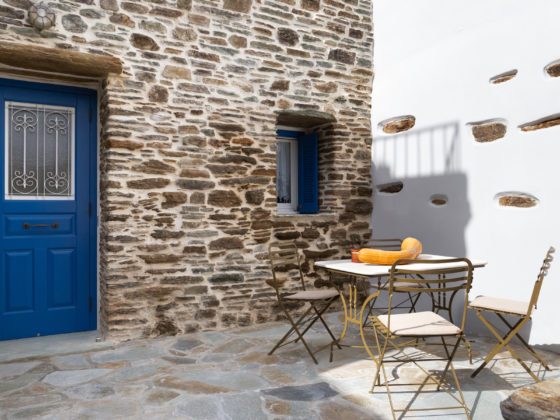
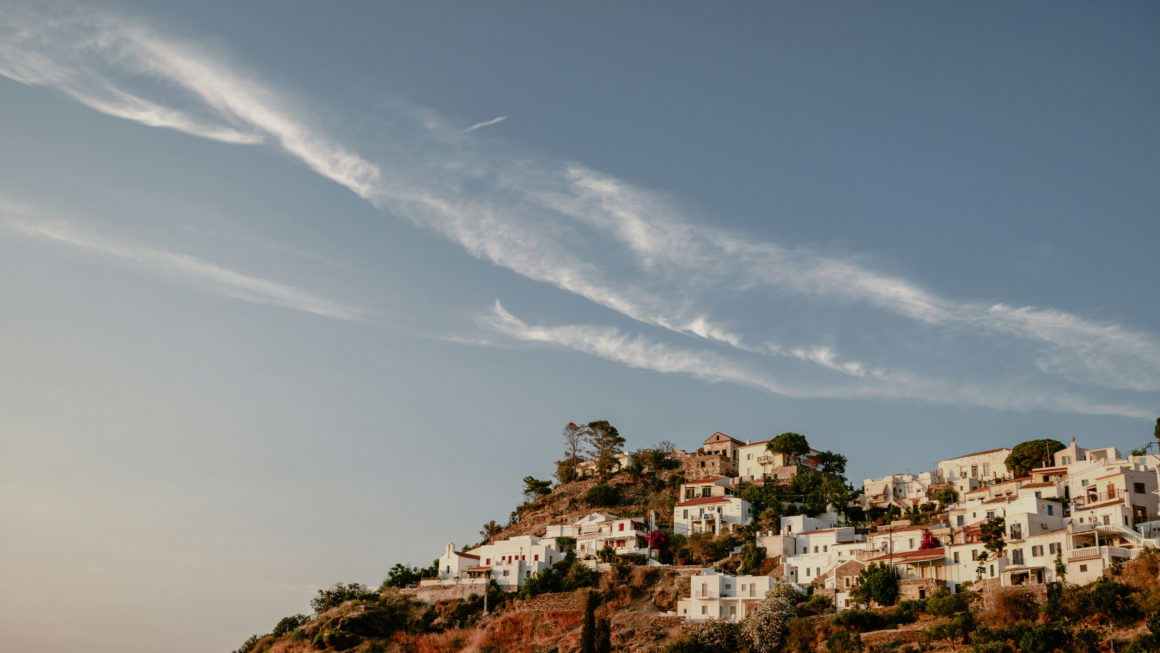
Further south, the island of Kea feels almost like a quieter version of the Cyclades. From Lavrio the ferry arrives quickly, and the landscape changes just as fast. Low hills, dry stone walls and villages connected by old walking paths. In the main village of Ioulida, narrow streets twist past white houses and shaded squares, while the harbor of Korissia waits below for a late lunch before returning to the mainland.
Delphi
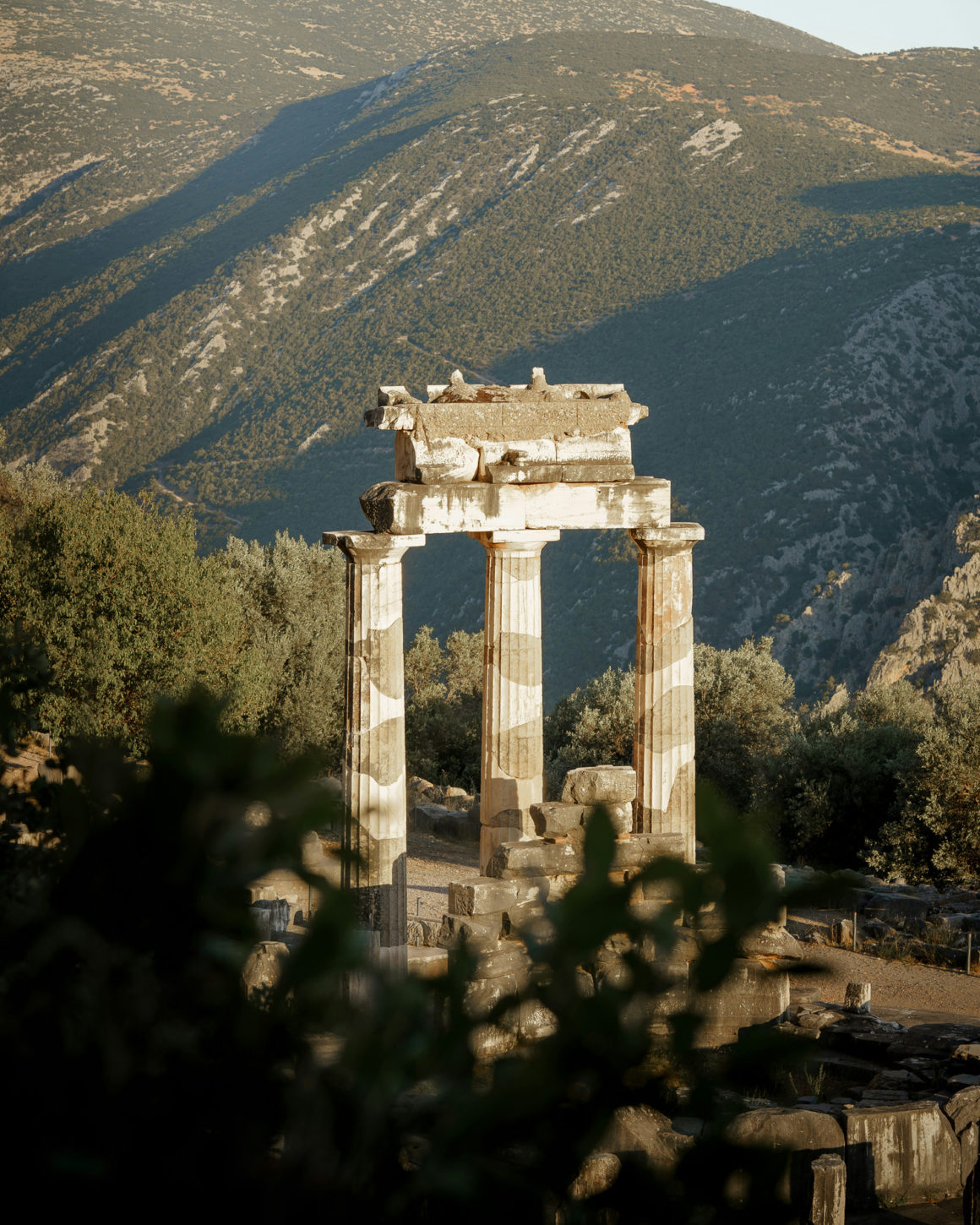
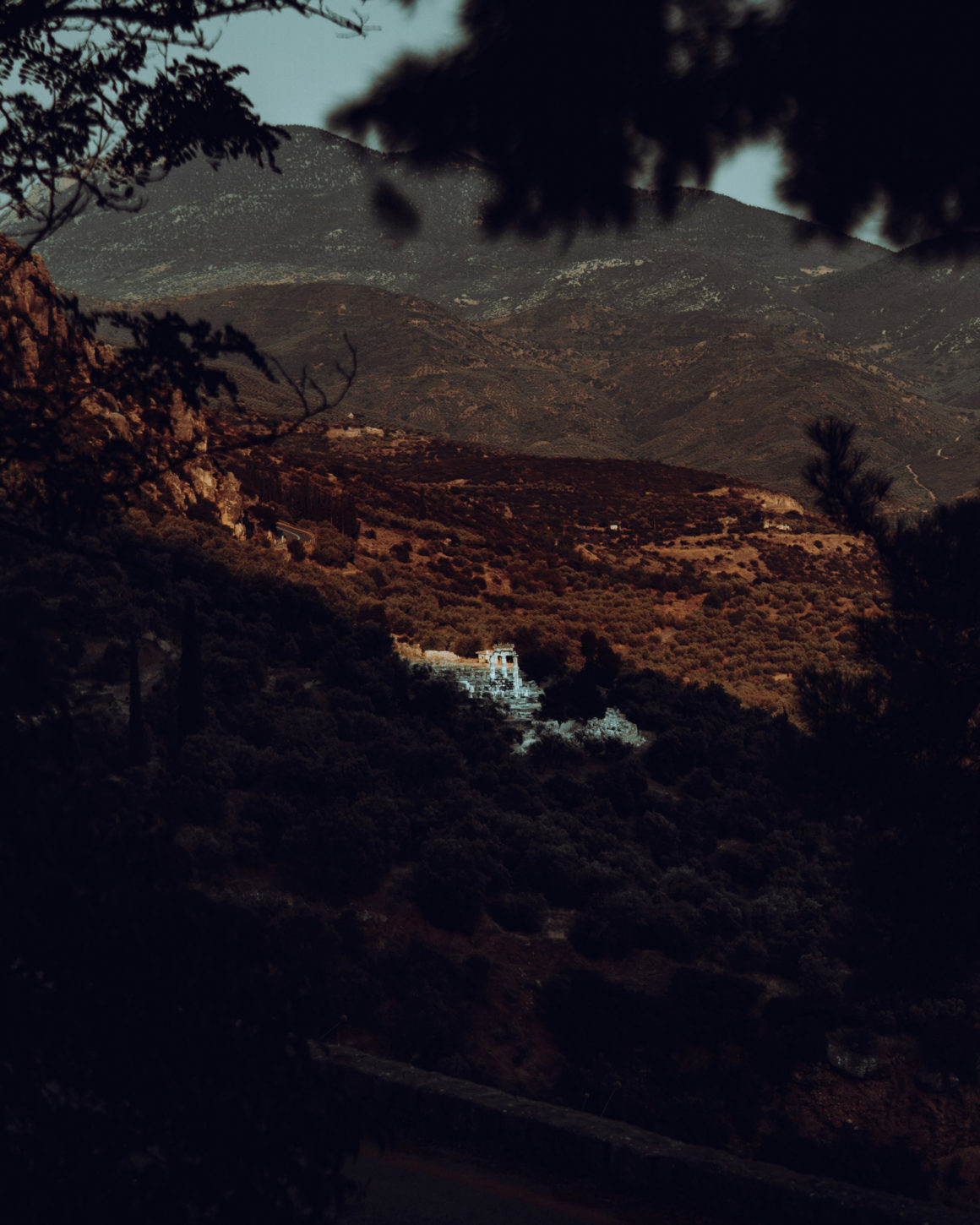
Delphi is one of those places where history and landscape seem inseparable. Set high on the slopes of Mount Parnassus, the ancient sanctuary overlooks a valley that stretches endlessly toward the sea. Even today the setting encourages a slower pace. Visitors move slowly between the ruins, pausing often to look out across the mountains. In early spring the hills begin to turn green again and the air feels unexpectedly clear, making the journey itself part of the experience.
Mycenae, Epidaurus, Nafplio
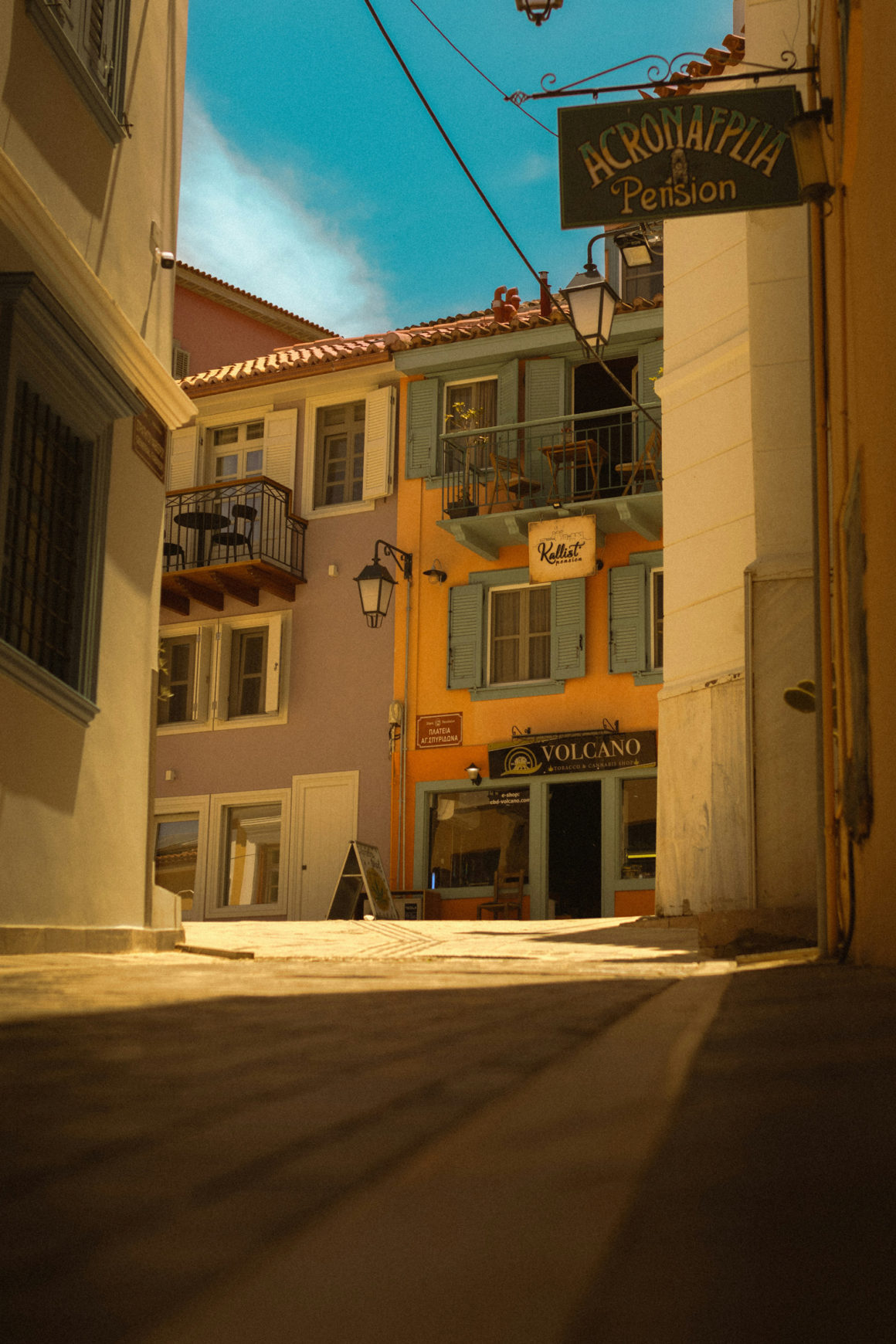
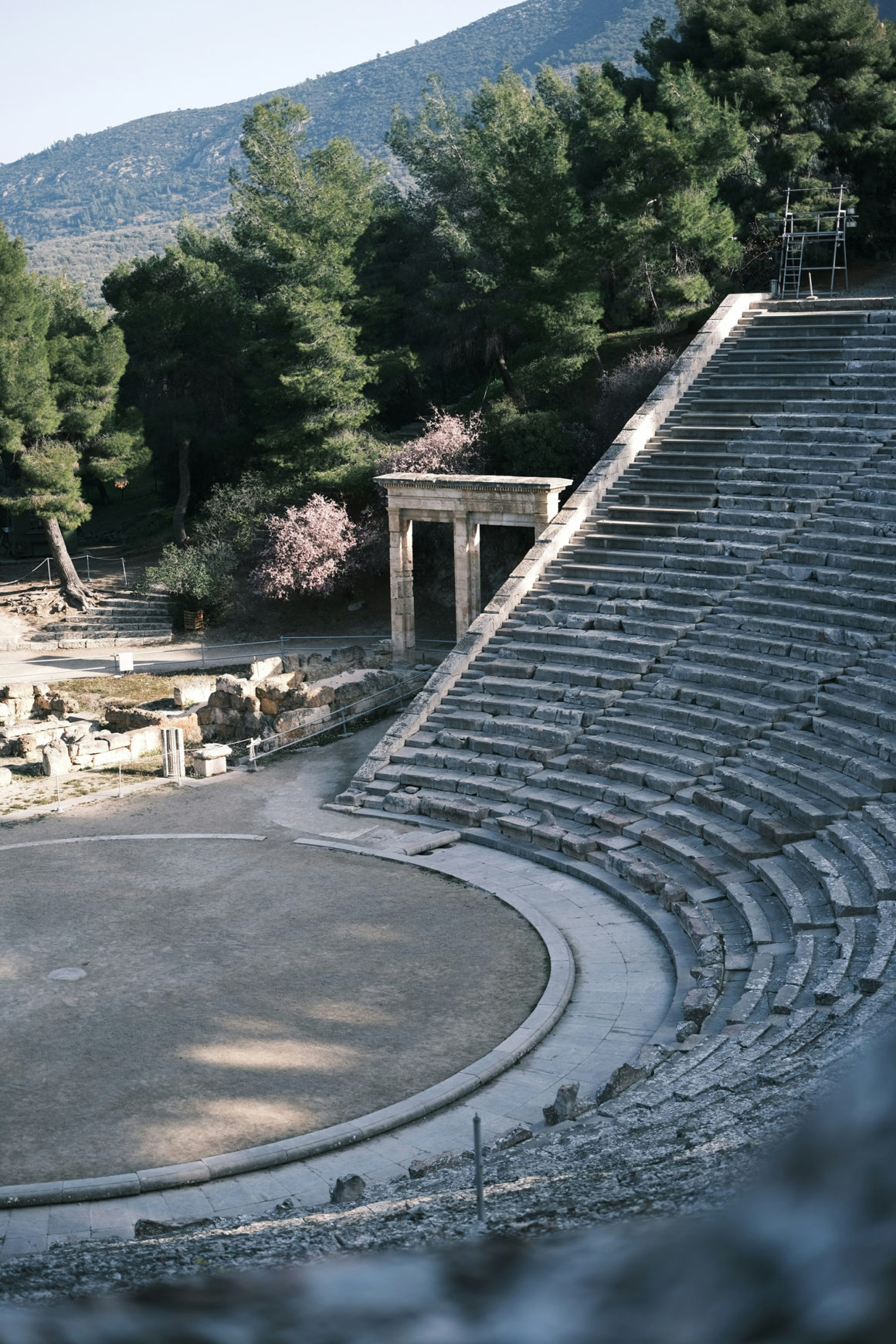
Further south in the Argolis region, Mycenae and Epidaurus reveal another layer of the Greek landscape. At Mycenae, massive stone walls and the Lion Gate hint at a civilisation that once dominated the region. A short drive away, the ancient theatre of Epidaurus appears almost perfectly preserved within the surrounding hills. Many travelers end the day in nearby Nafplio, where Venetian houses and seaside promenades soften the intensity of the historical sites that came before.
Mountainous Corinthia
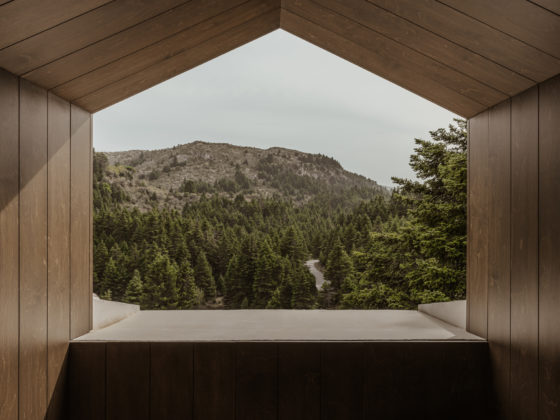
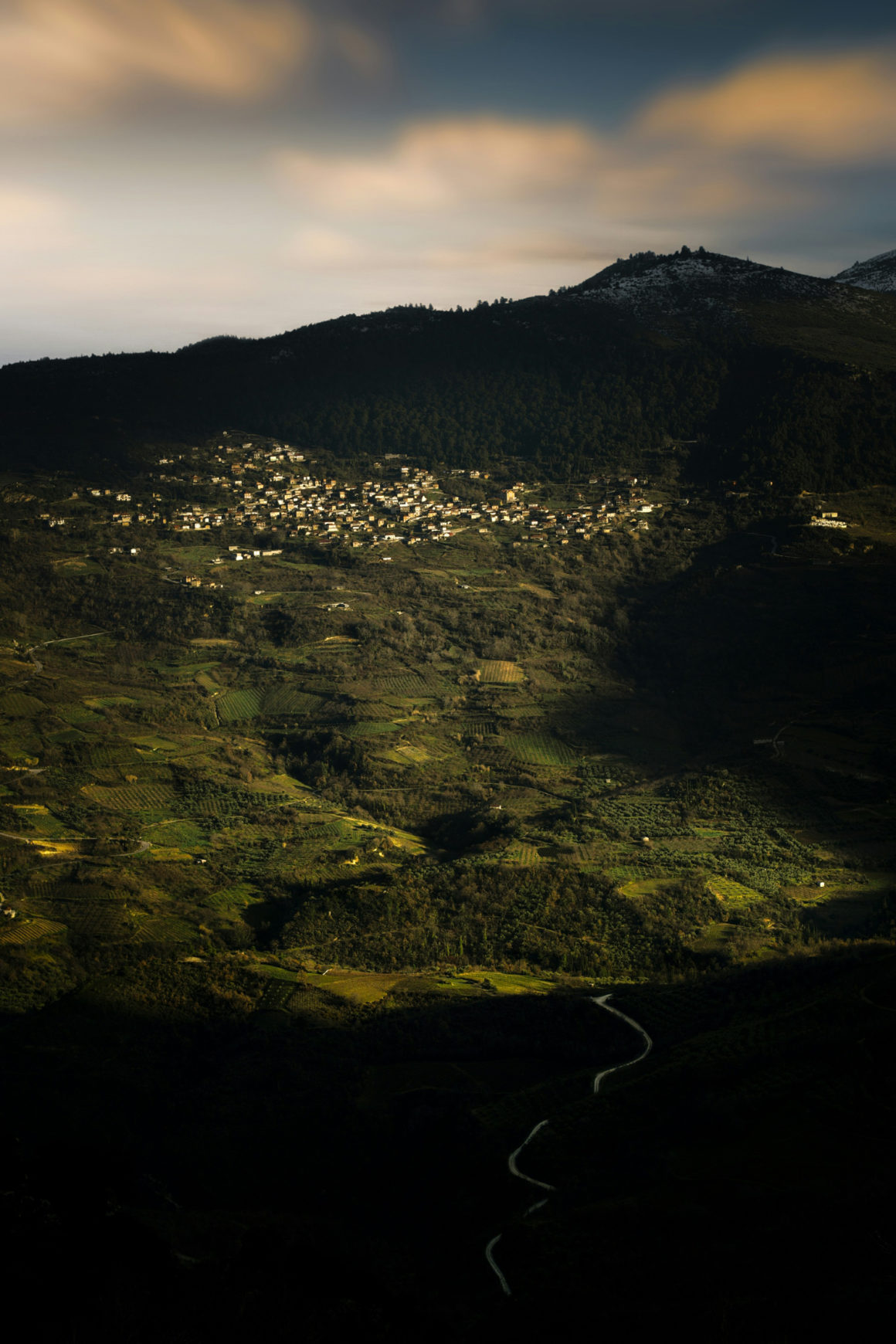
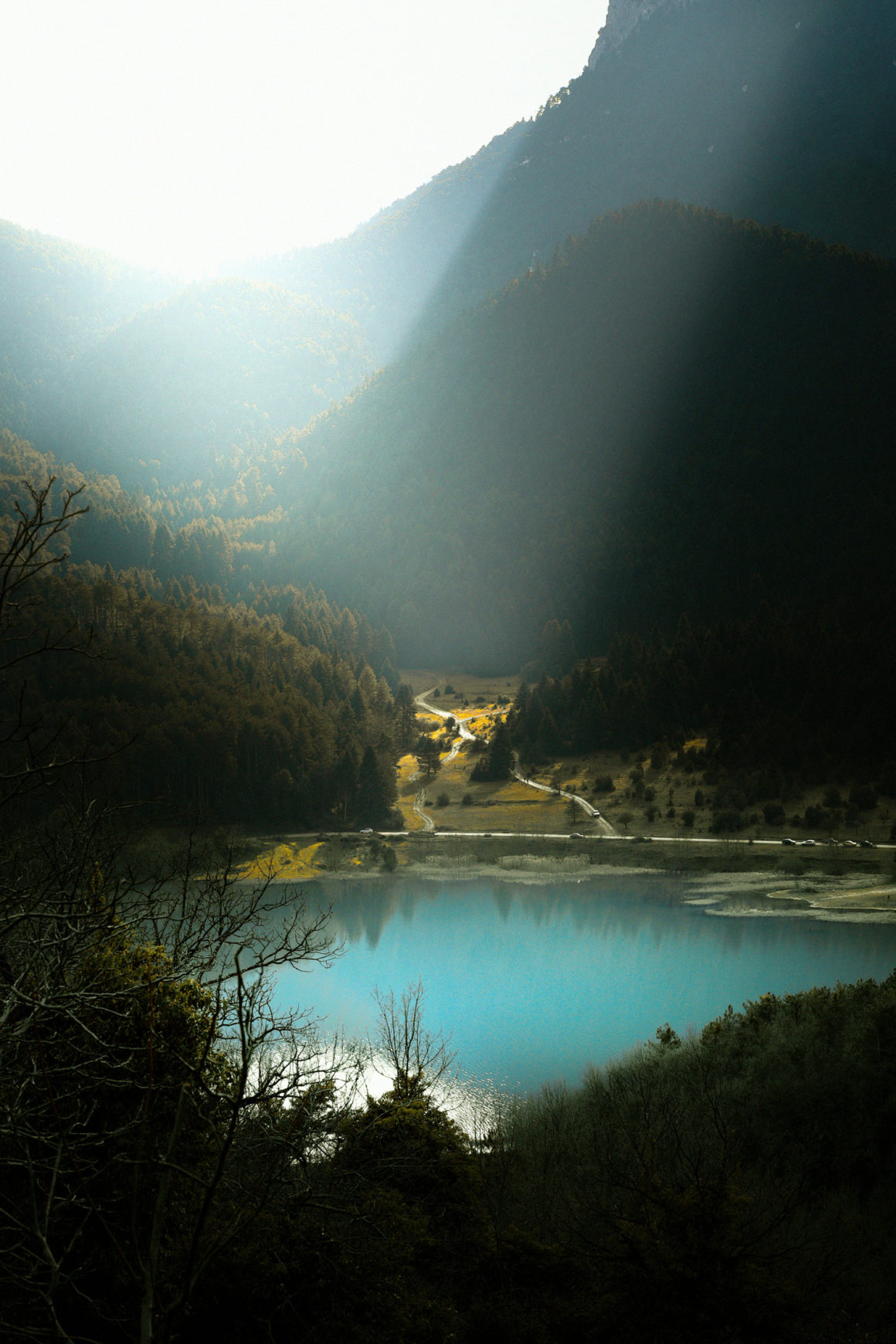
Not all day trips lead to the sea. North of Athens, the mountains of Corinthia offer a different kind of spring landscape. Forested slopes, charming villages and open views replace the density of the city within less than two hours. Lake Doxa sits calmly among the hills, its small chapel reflected in the still water, while nearby villages such as Trikala Corinthias carry the easy rhythm of mountain life. Tavernas open for lunch and afternoons tend to stretch longer than planned.
Cape Sounio
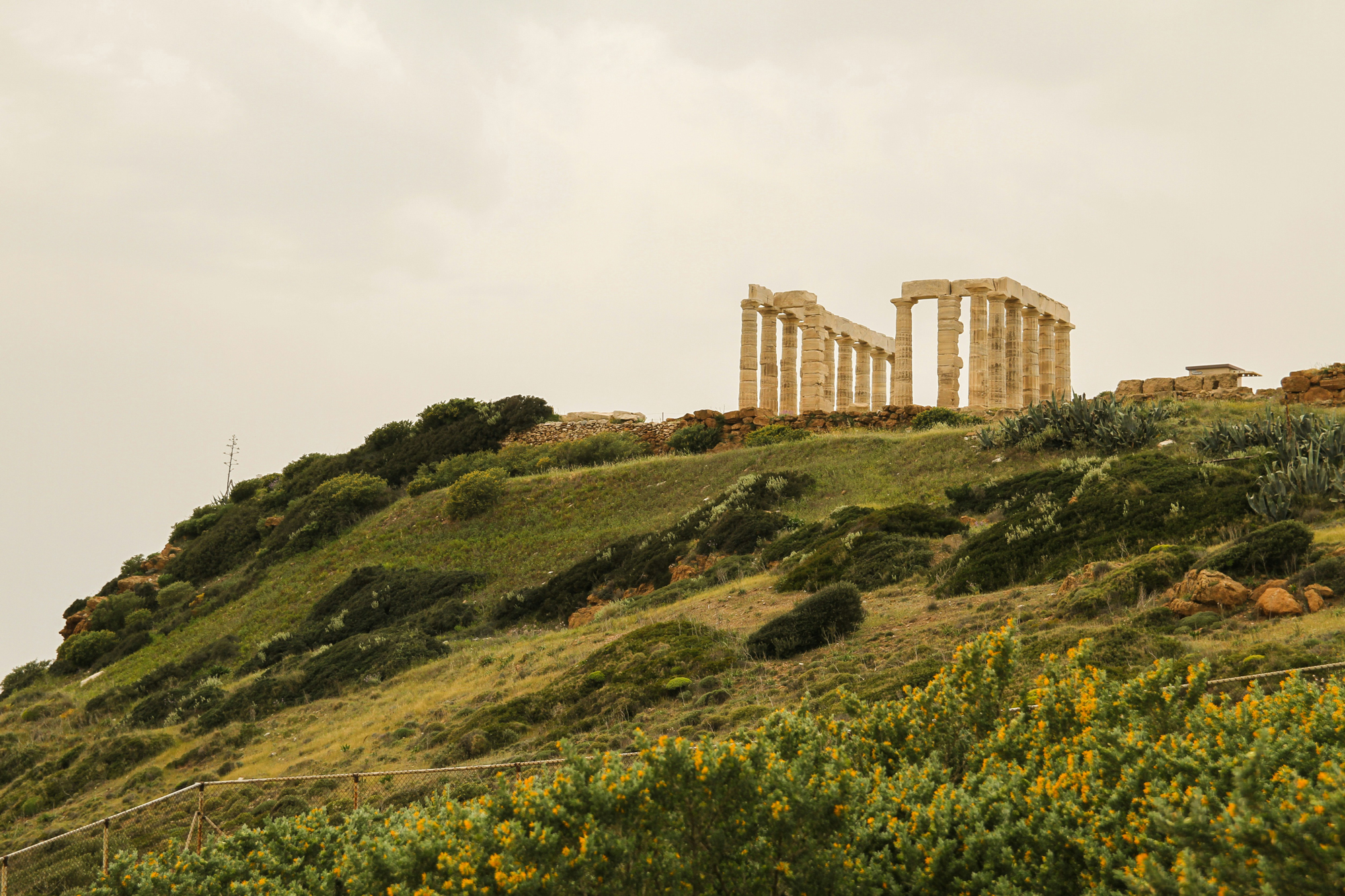
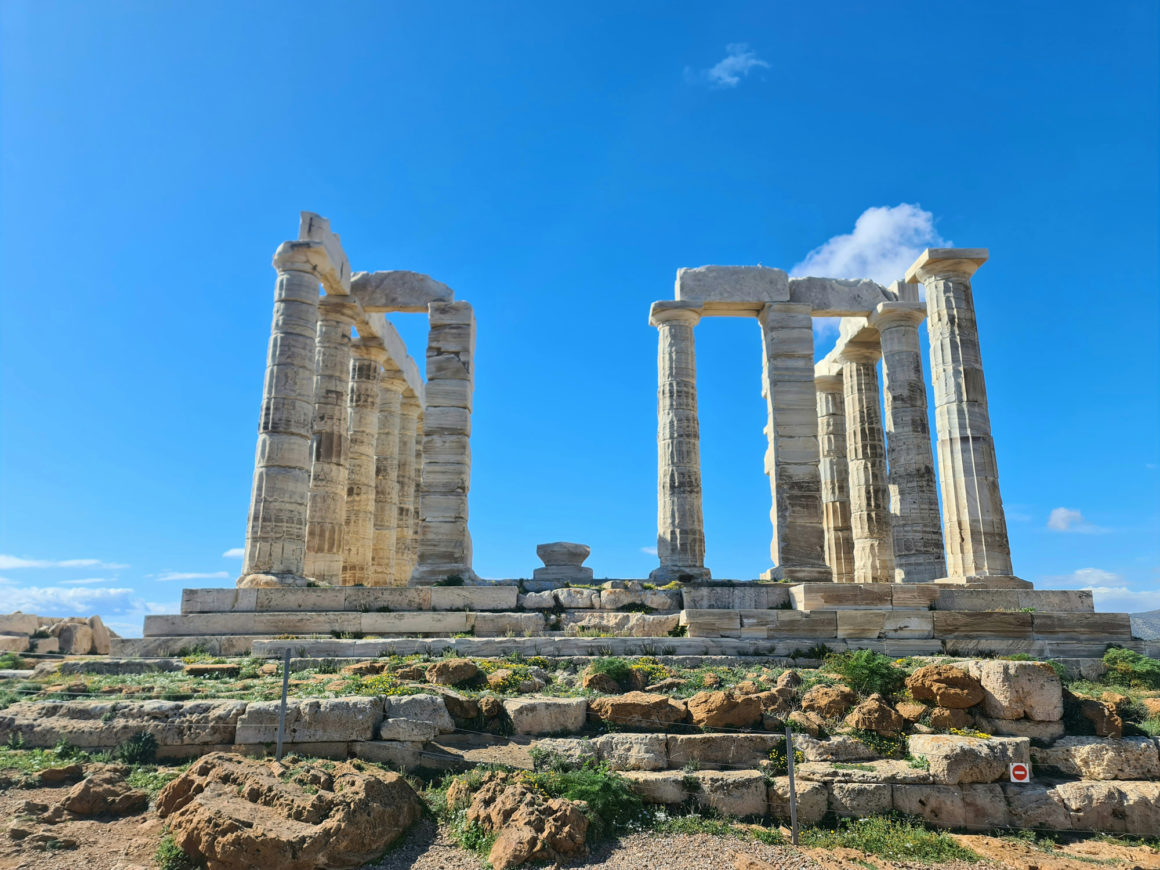
Closer to the city, Cape Sounio provides perhaps the simplest change of scene. The coastal road follows the Athens Riviera until the land narrows and the Temple of Poseidon appears above the cliffs. People walk around the ruins, watching the light move across the sea. It is the kind of place where even a short visit can shift the mood of an entire day.
Returning to the City
By early evening, the road or ferry eventually leads back to Athens. The city reappears gradually. Traffic, balconies, the familiar outline of the hills. But after a few hours elsewhere, the rhythm feels slightly different. Spring day trips rarely aim to go far. Their purpose is simply to remind you how easily the landscape around Athens can change — and how refreshing that change can actually be.