By late August, something starts to change among Greece’s vineyards. Before sunrise, the first teams make their way between the vines, secateurs in hand and empty crates waiting to be filled. After months of watching the weather, tending the vines and waiting for the grapes to ripen, the moment has arrived. Trygos, the Greek grape harvest, is underway.
It doesn’t happen everywhere at once. In Santorini, one of the country’s earliest wine harvests can begin in the first days of August, while elsewhere the season gradually gathers pace towards September. Different varieties, altitudes and growing conditions set their own calendar, meaning that the Greek harvest can stretch over several weeks. What they share is a sense of urgency. Once the grapes are ready, there is little time to waste.
Before Sunrise
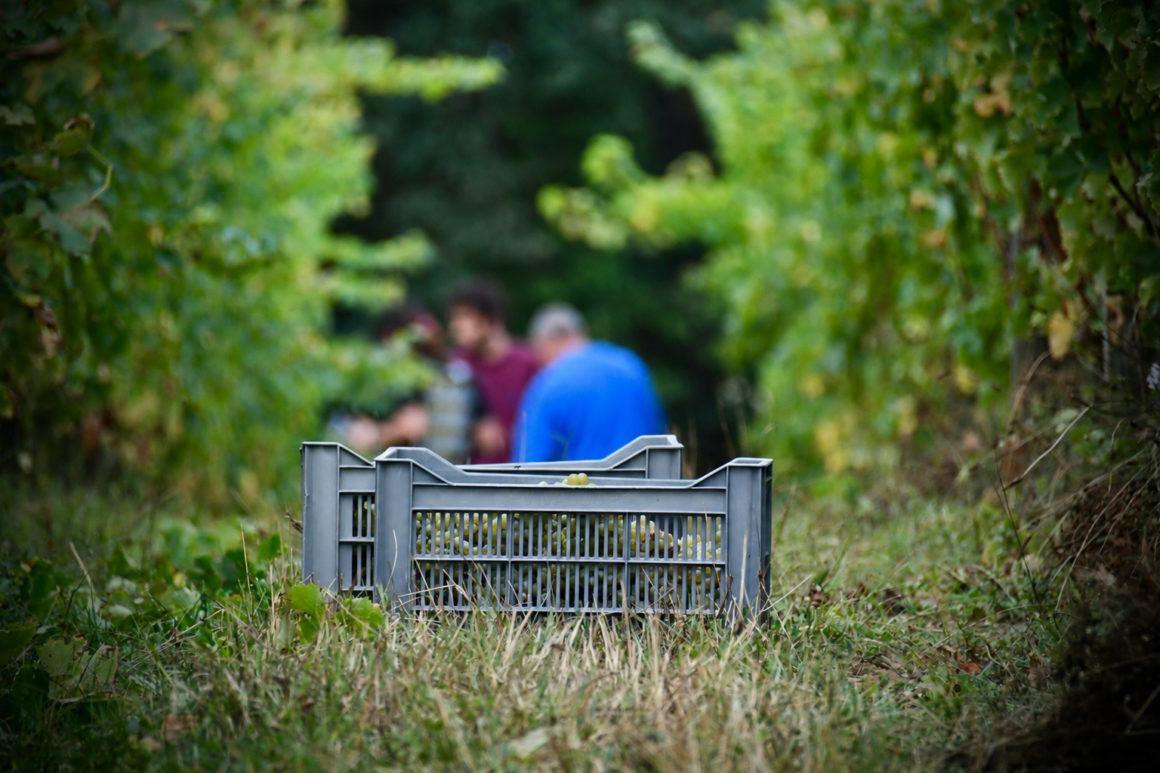
Harvest days begin early. The cooler morning hours are better for both the people working among the vines and the fruit itself, so picking often starts with the first light.
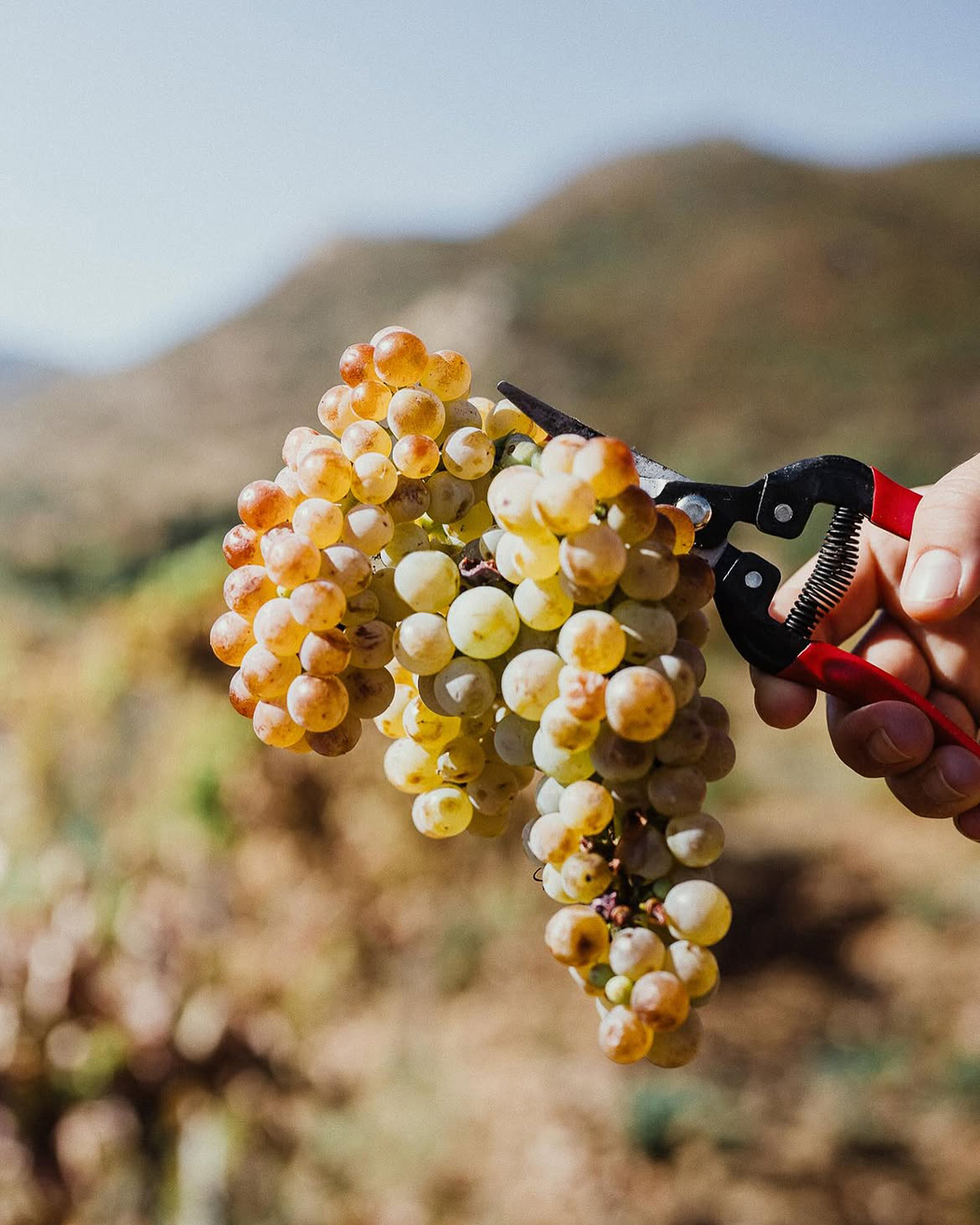
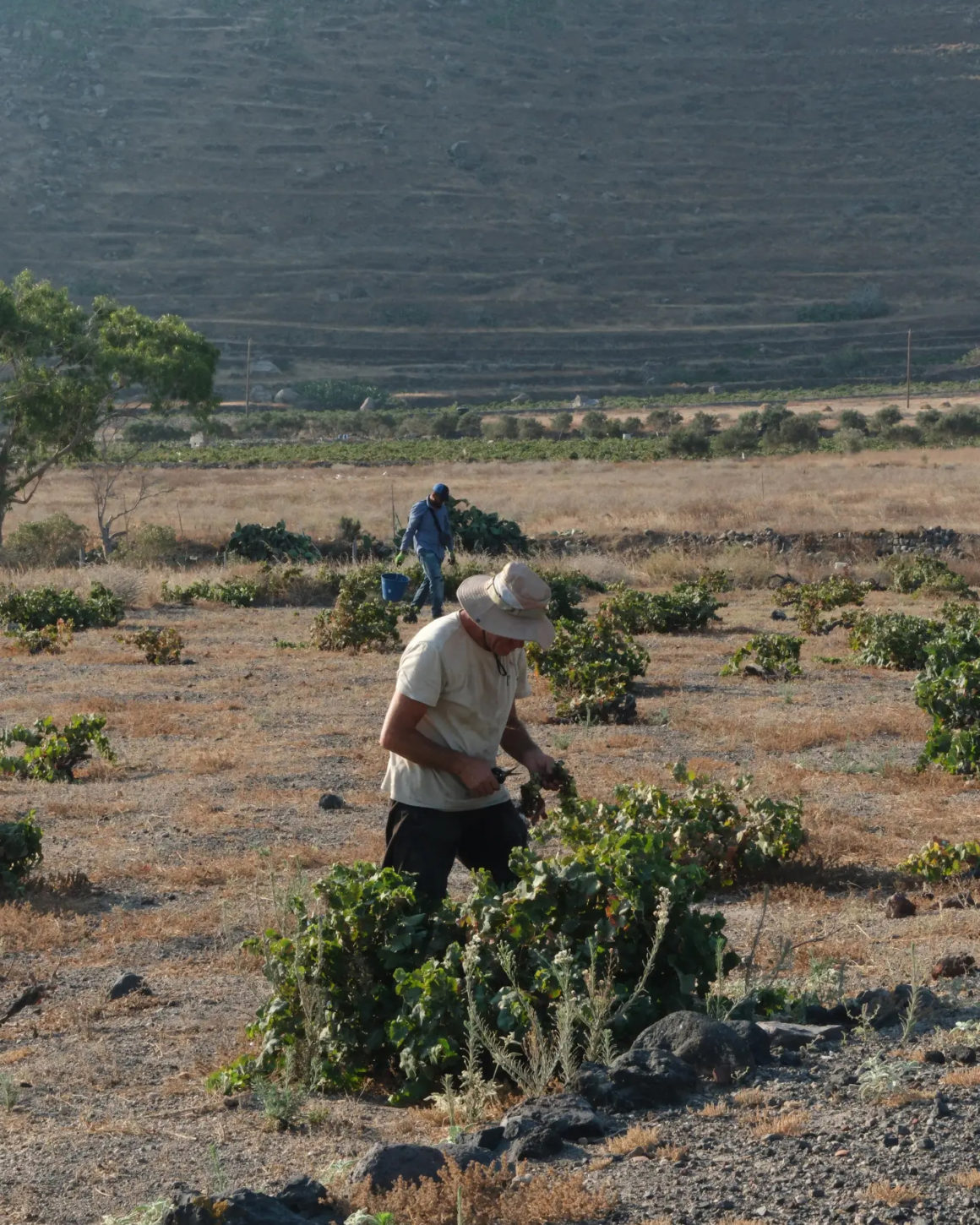
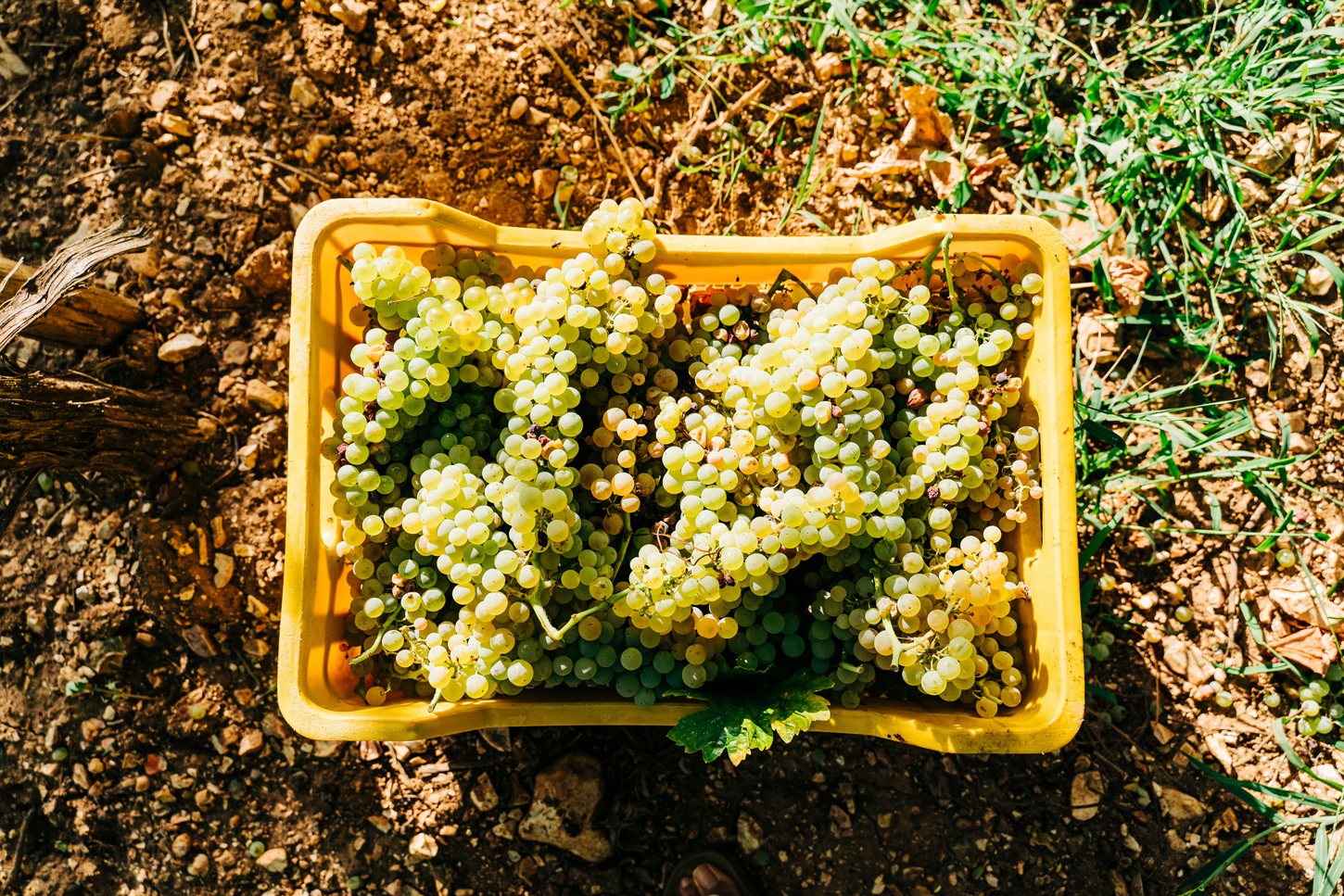
Bunches are cut carefully from the vine and placed into crates before being transported to the winery. In smaller vineyards, much of this work is still done by hand. By the time most people are sitting down for their first coffee, a harvest team may already have been working for hours.
There is a particular energy to these mornings. Rows that have remained almost undisturbed for months suddenly fill with movement, conversations and the sound of crates being carried away.
One Country, Many Harvests
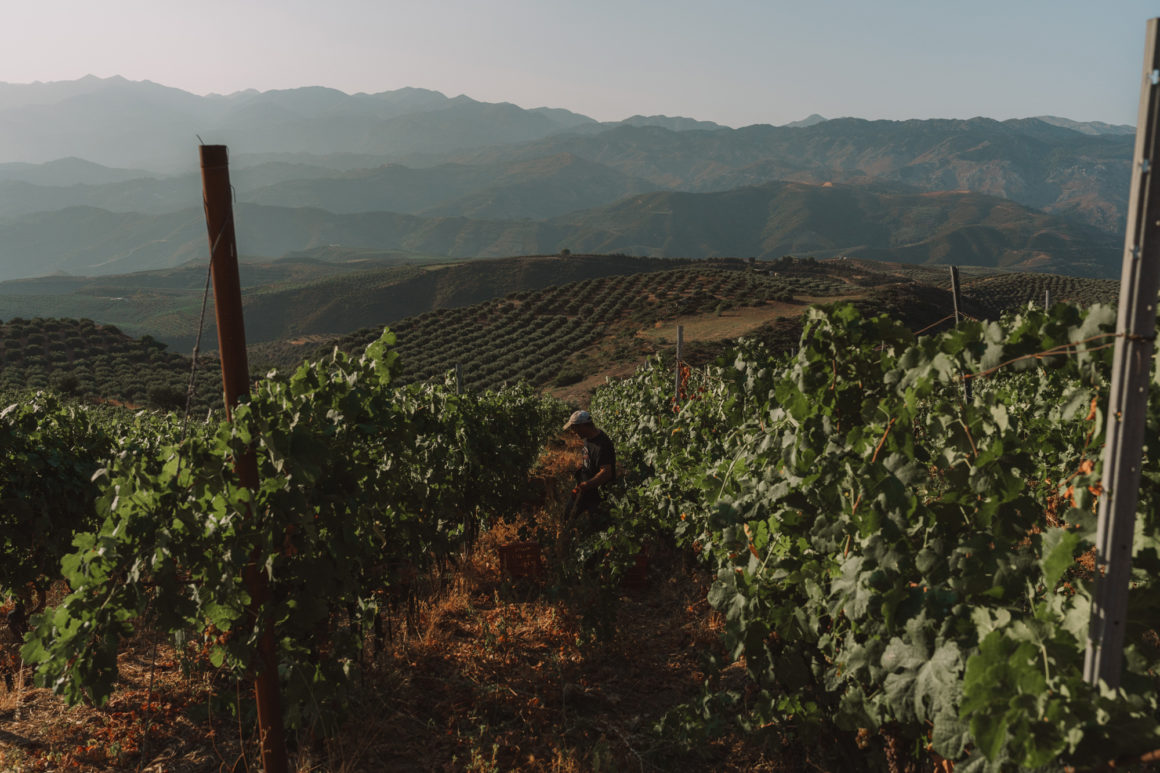
Greece’s varied landscape means that trygos follows a different rhythm from one wine region to the next.
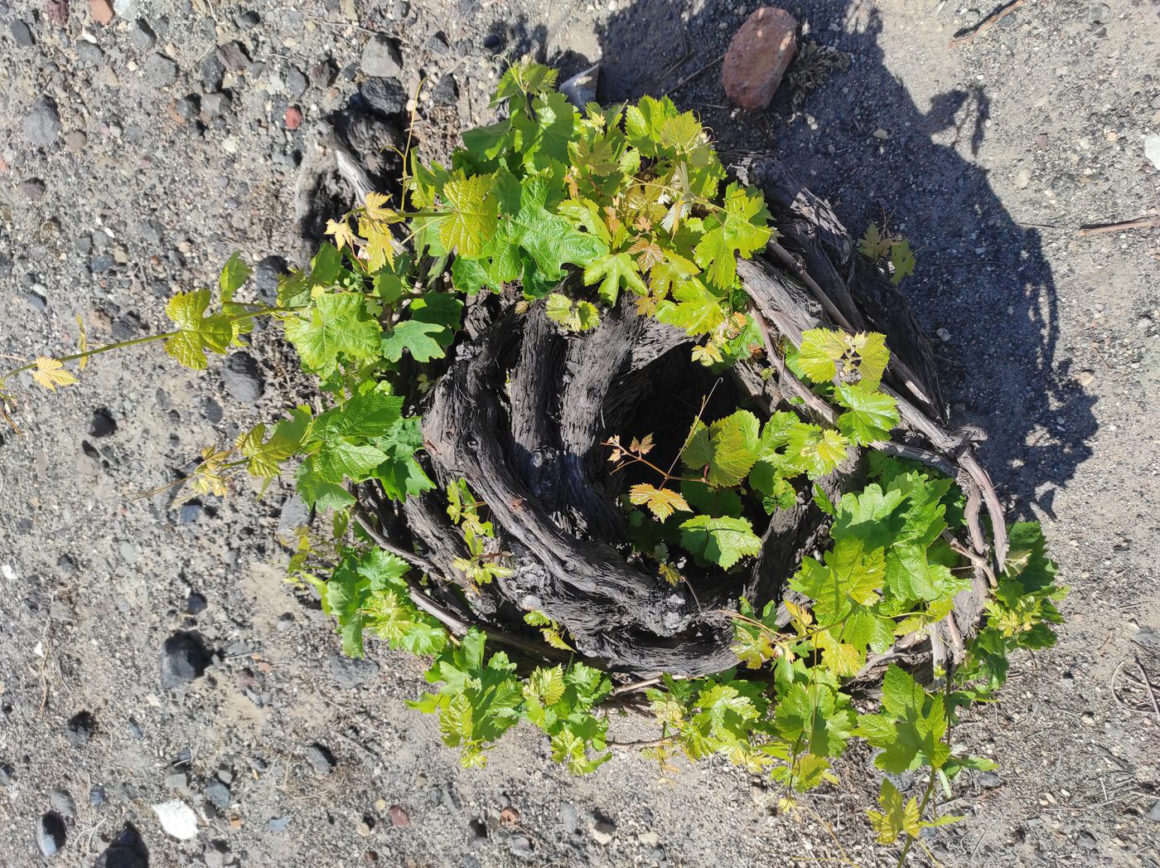
Santorini is often among the first. Its volcanic vineyards produce Assyrtiko and other indigenous varieties that can be ready from early August.
Further north, the picture changes. In Naoussa, early-ripening varieties can start coming in during August, while the region’s celebrated Xinomavro generally remains on the vines until September or October. Crete has its own variations, with altitude, location and grape variety determining when each vineyard is ready.
There is no single date circled on the calendar. Growers watch the grapes closely and wait for the right moment.
Trygos: More Than Picking Grapes
The Greek word trygos describes the grape harvest, but traditionally it meant much more than the act of cutting fruit from the vine.
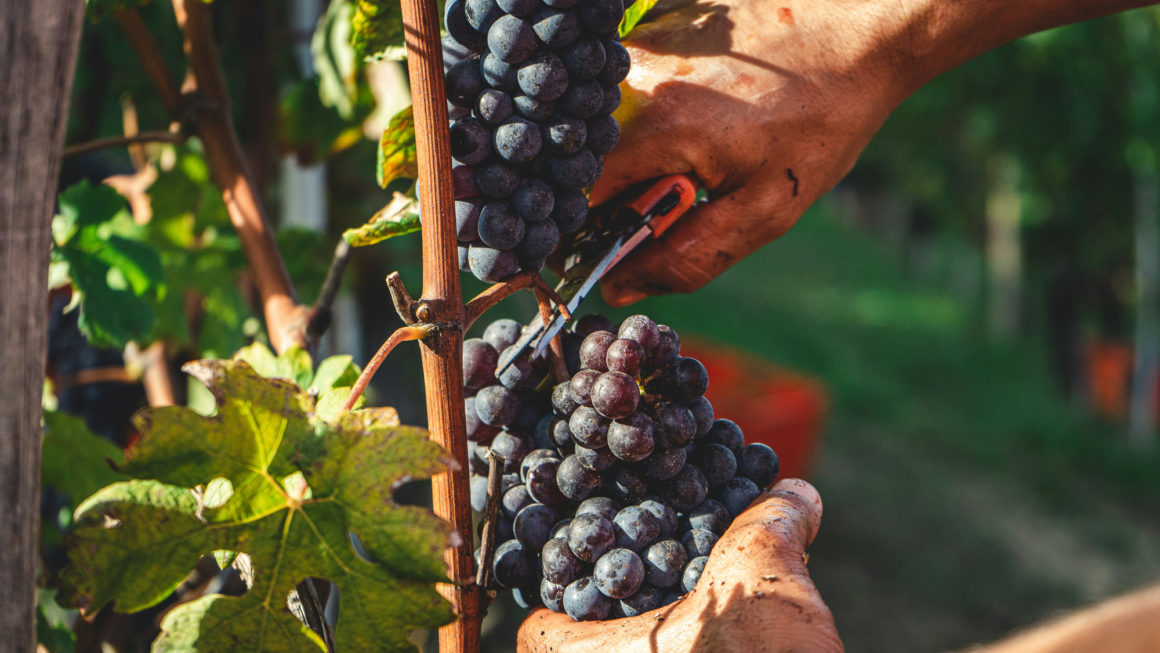
Harvest was a collective undertaking. Relatives, neighbours and friends would come together because the work needed to be completed quickly, moving from one vineyard to another as each crop became ready. Roles were shared, baskets filled and carried away, and food was brought out for everyone working that day.
Modern winemaking has inevitably changed much of this. Harvest decisions are now guided by careful monitoring in the vineyard and winery, and professional teams work quickly to bring grapes in at their best. Yet the communal character of trygos has not entirely disappeared. Particularly in smaller family vineyards, harvest remains one of those rare moments when several generations can find themselves working side by side.
From the Vineyard to the Winery
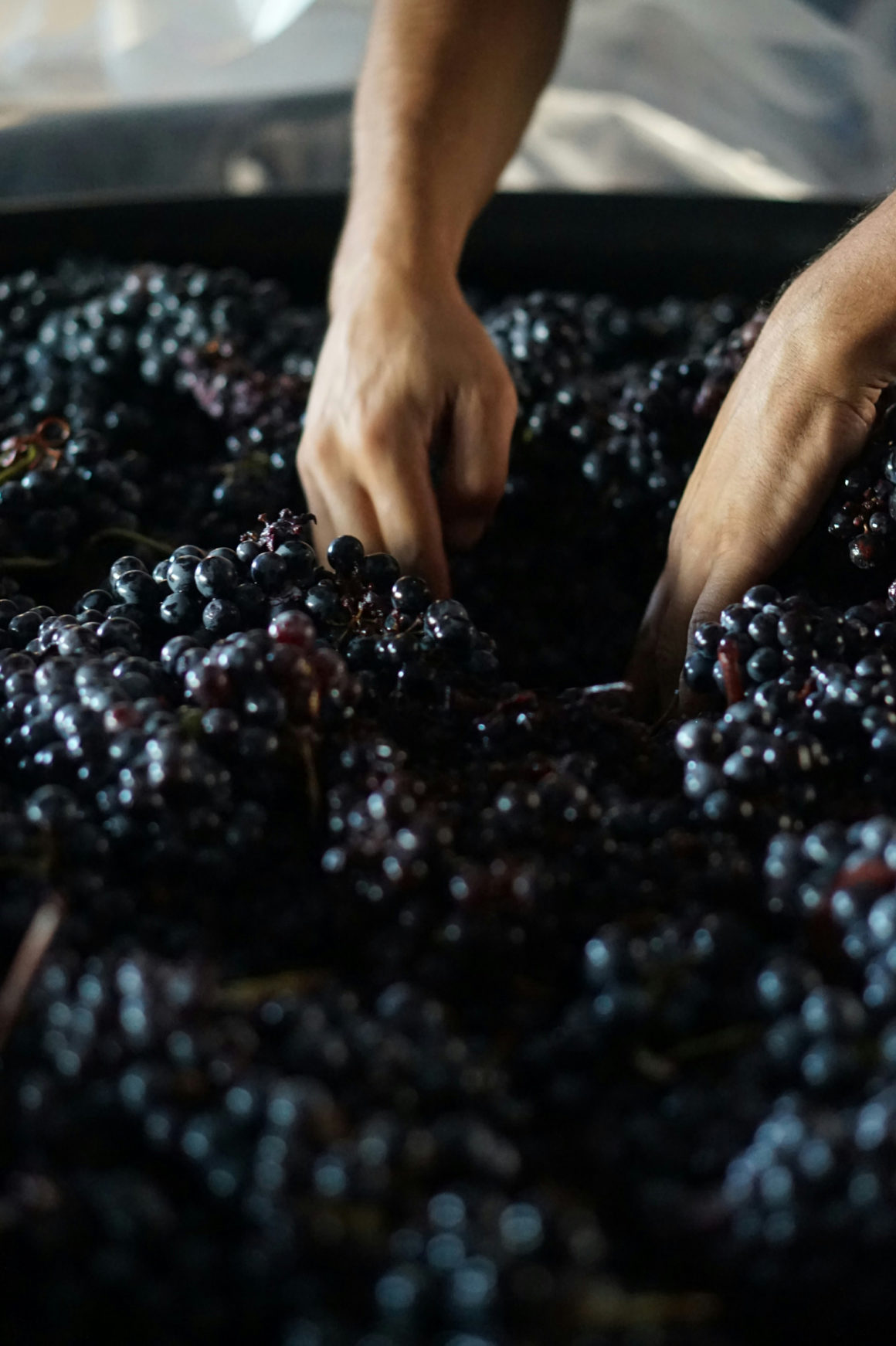
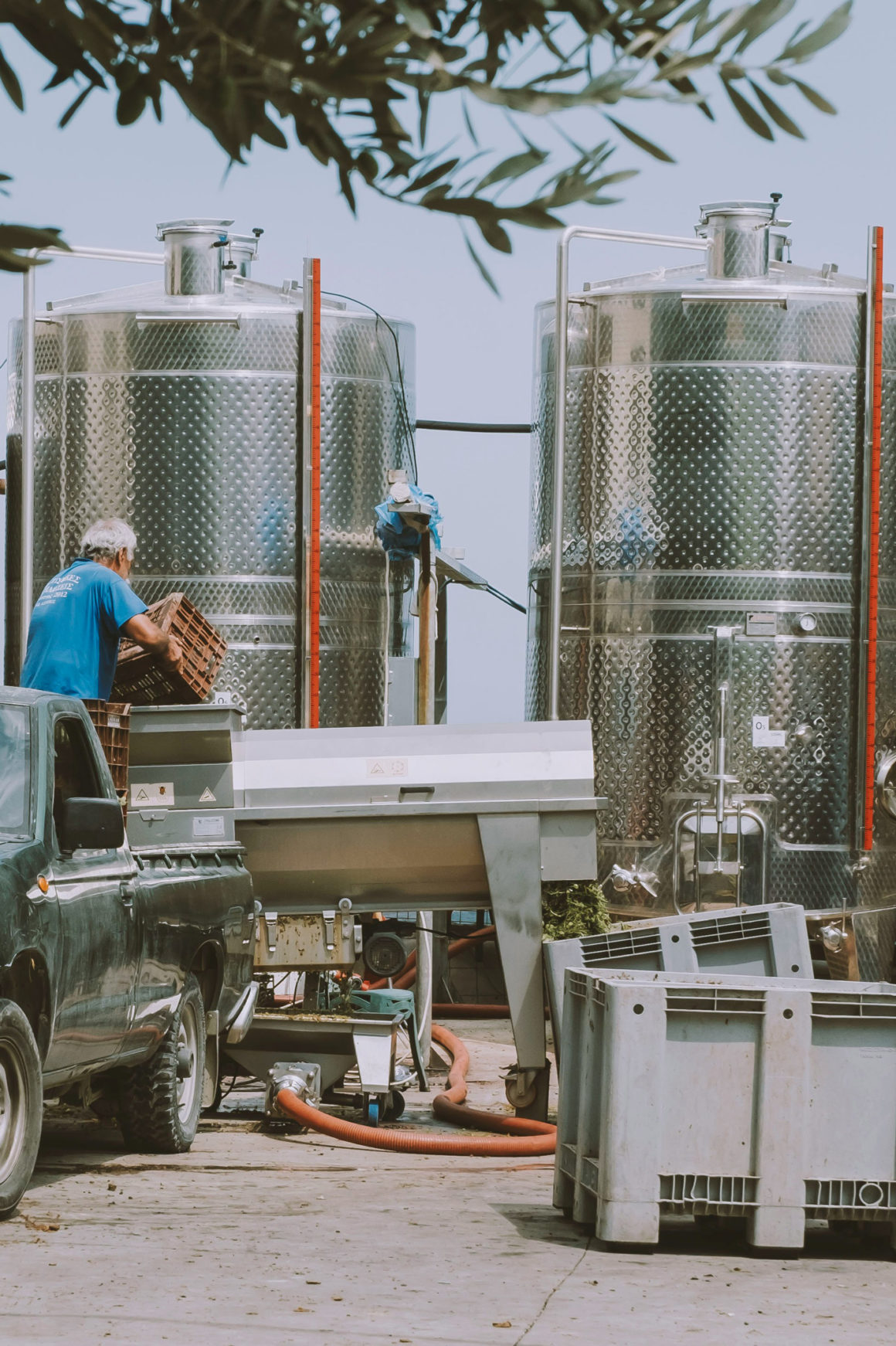
Once the grapes leave the vineyard, the pace continues. Crates arrive at the winery, where the fruit is weighed, checked and sorted before the winemaking begins. White grapes are typically pressed soon after arrival, while red varieties follow a different path as skins remain in contact with the juice during fermentation.
For the winemaker, these first hours matter enormously. A year’s work in the vineyard has reached its decisive point, and what happens next will begin to shape the character of the new vintage.
Outside, meanwhile, another tractor or van is already arriving with the next load.
The Harvest Table
For all its hard work, trygos has always had a social side.
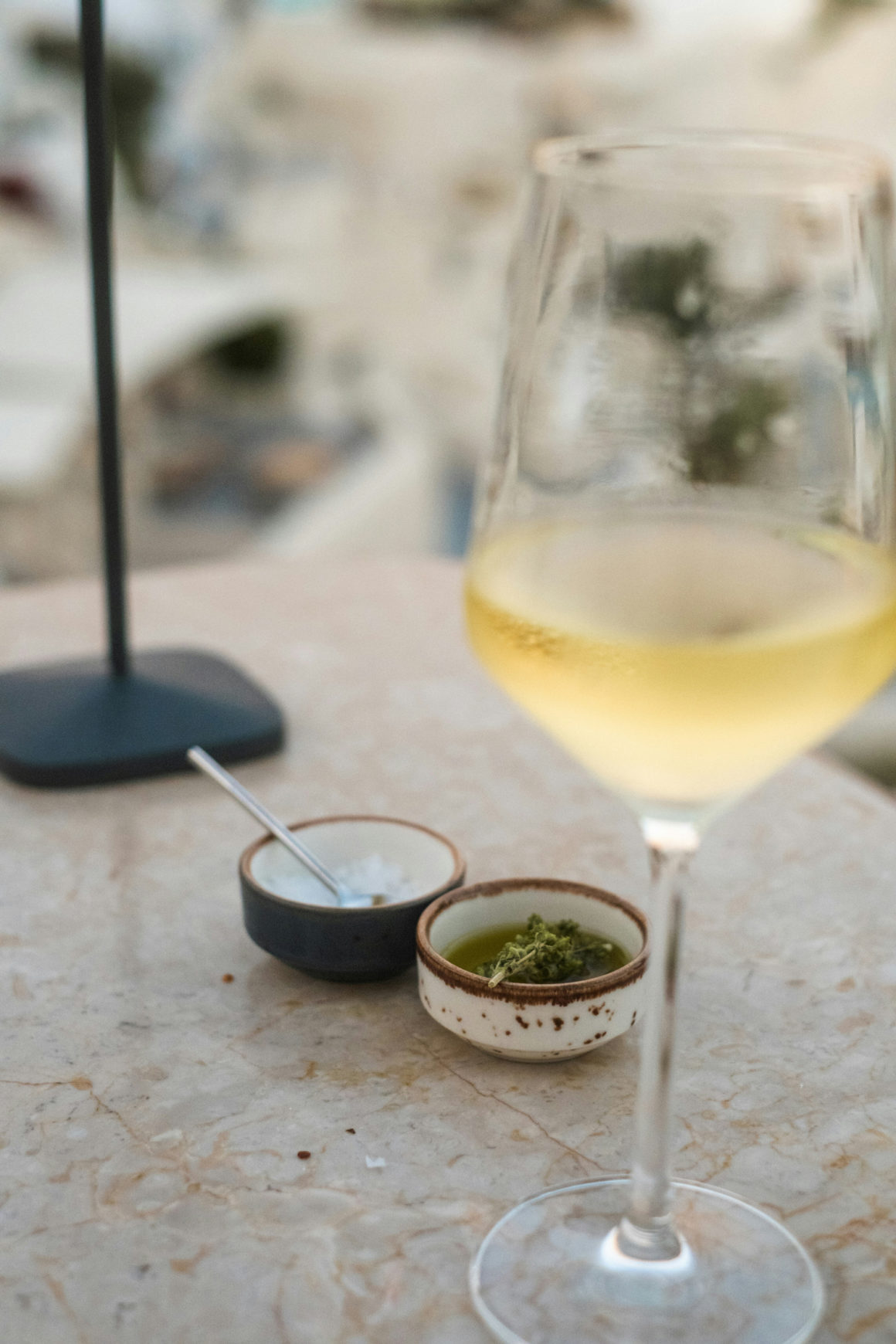
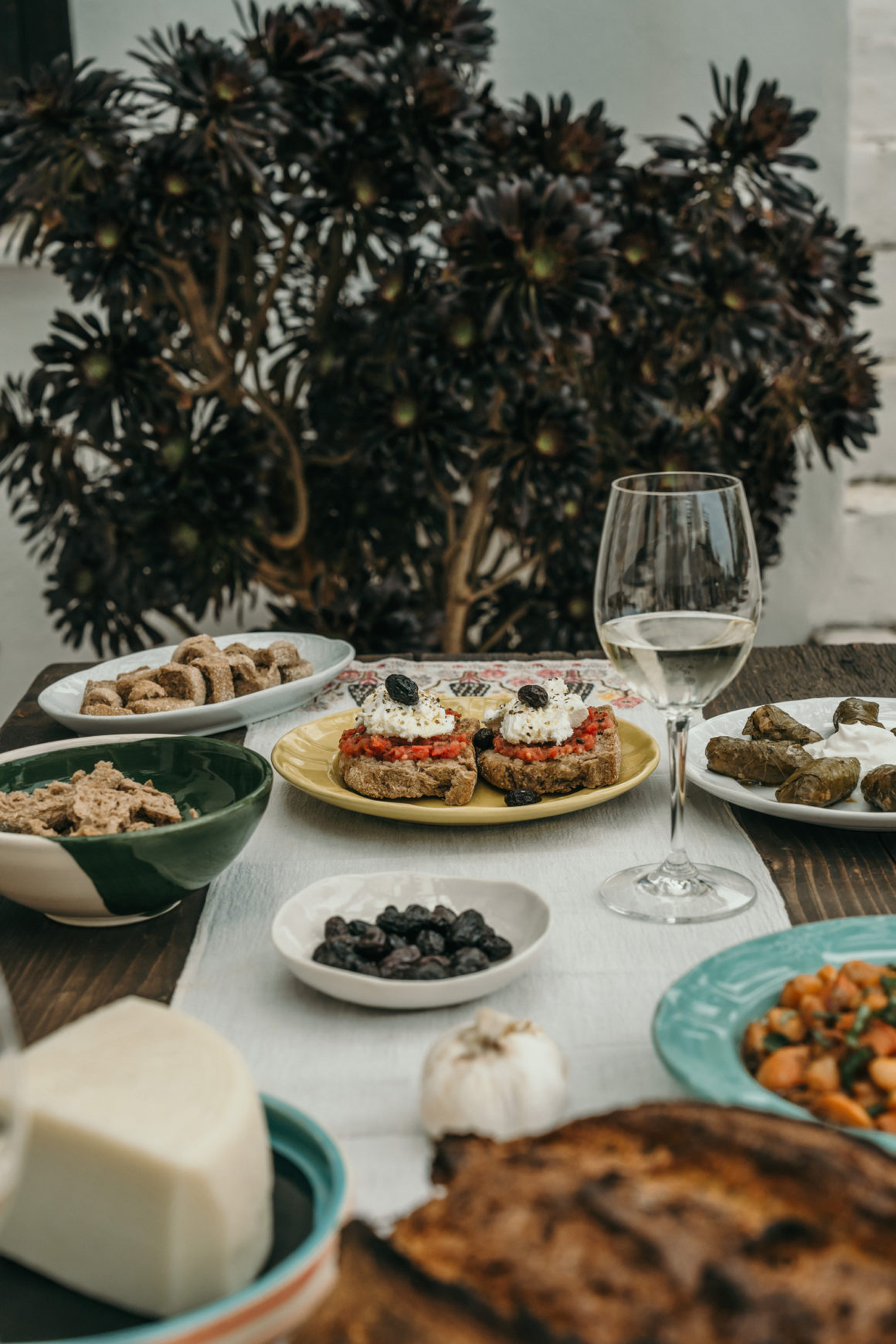
Traditionally, food marked the pauses in the day, with everyone involved in the harvest gathering around the same table. That spirit survives in many vineyards today. After hours spent among the vines, lunch is often uncomplicated and generous, with bread, tomatoes, cheese, olives, pies, seasonal dishes and whatever can easily be shared.
It is less a formal celebration than a necessary pause, a chance to sit down, talk about the crop and gather some energy before returning to work.
And when the final crates of the day have left the vineyard, there is a particular satisfaction in seeing the vines suddenly lighter than they were that morning.
A New Vintage Begins
By the end of August, Greece is still very much in summer. The sea remains warm, villages are busy and the days are long. In the vineyards, however, the season has reached a turning point.
Some grapes have already made their way from vine to winery, while others still have weeks of ripening ahead. Cellars grow busier as fermentation begins and the focus shifts from tending the vines to working with what the year has produced.
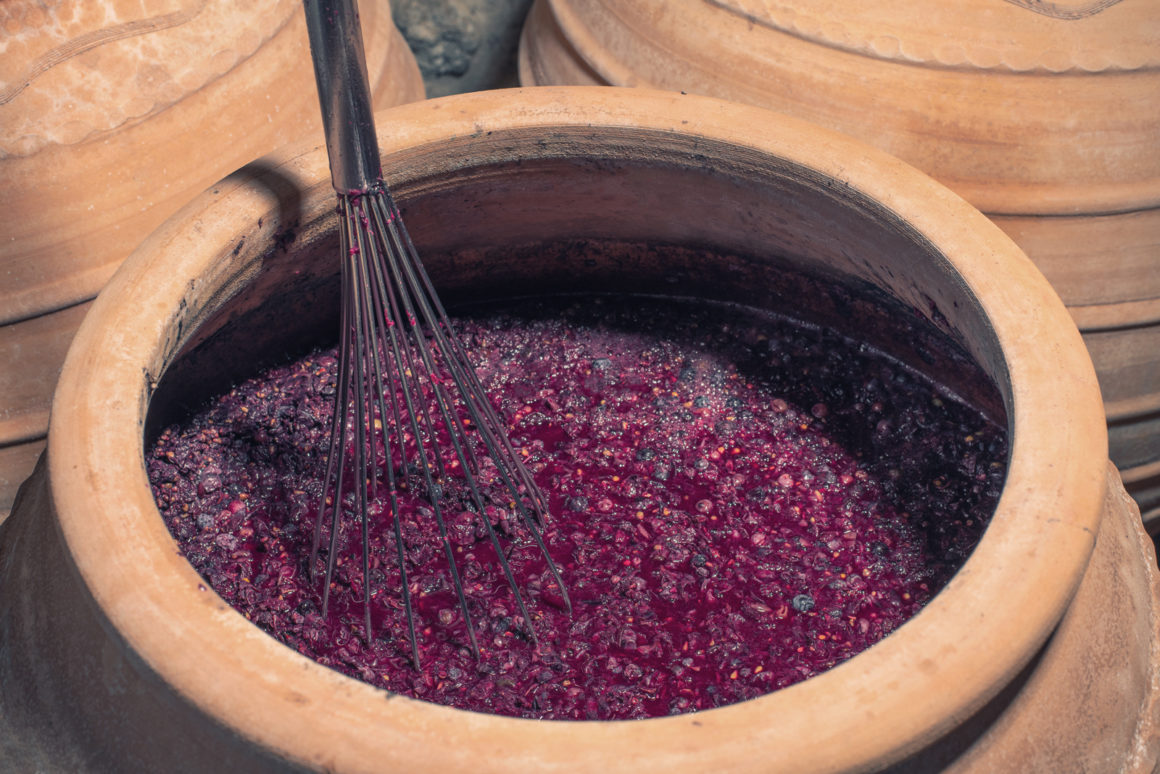
As the last crates come in, vineyards gradually grow quieter. Months of waiting and watching have led to these few intense weeks, but the process is far from over. From here, the work moves indoors, where the year’s harvest will slowly take the form of wine, carrying with it something of the landscape, the season and another Greek summer.