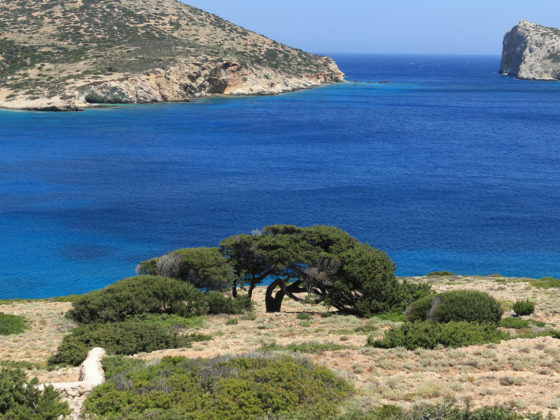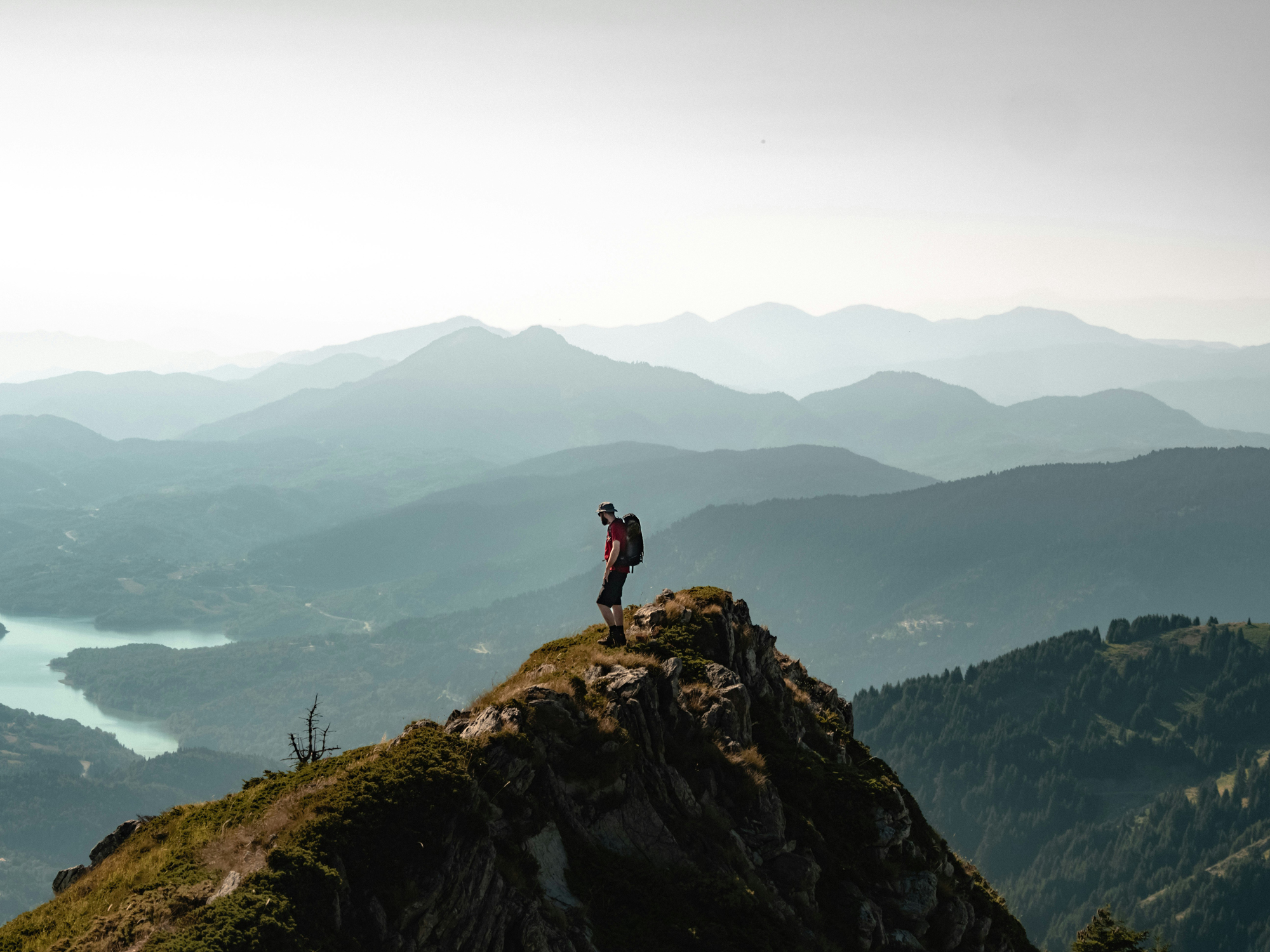
In Greece, walking is often seasonal. By summer, movement narrows, from shade to sea and from table to table, rarely much further. But in May, everything opens up again. Distances feel manageable, paths are still part of the day, and the idea of setting out on foot -without a fixed plan- makes sense. Walking feels like the most natural way to move through a place.
The light is steady, but not yet harsh. The air carries warmth without weight. Paths that will soon feel exposed are still open, inviting, almost easy. You walk without thinking too much about distance, only about where the path might lead.
May sits exactly in that moment.
Mountains, Gorges & Long Routes
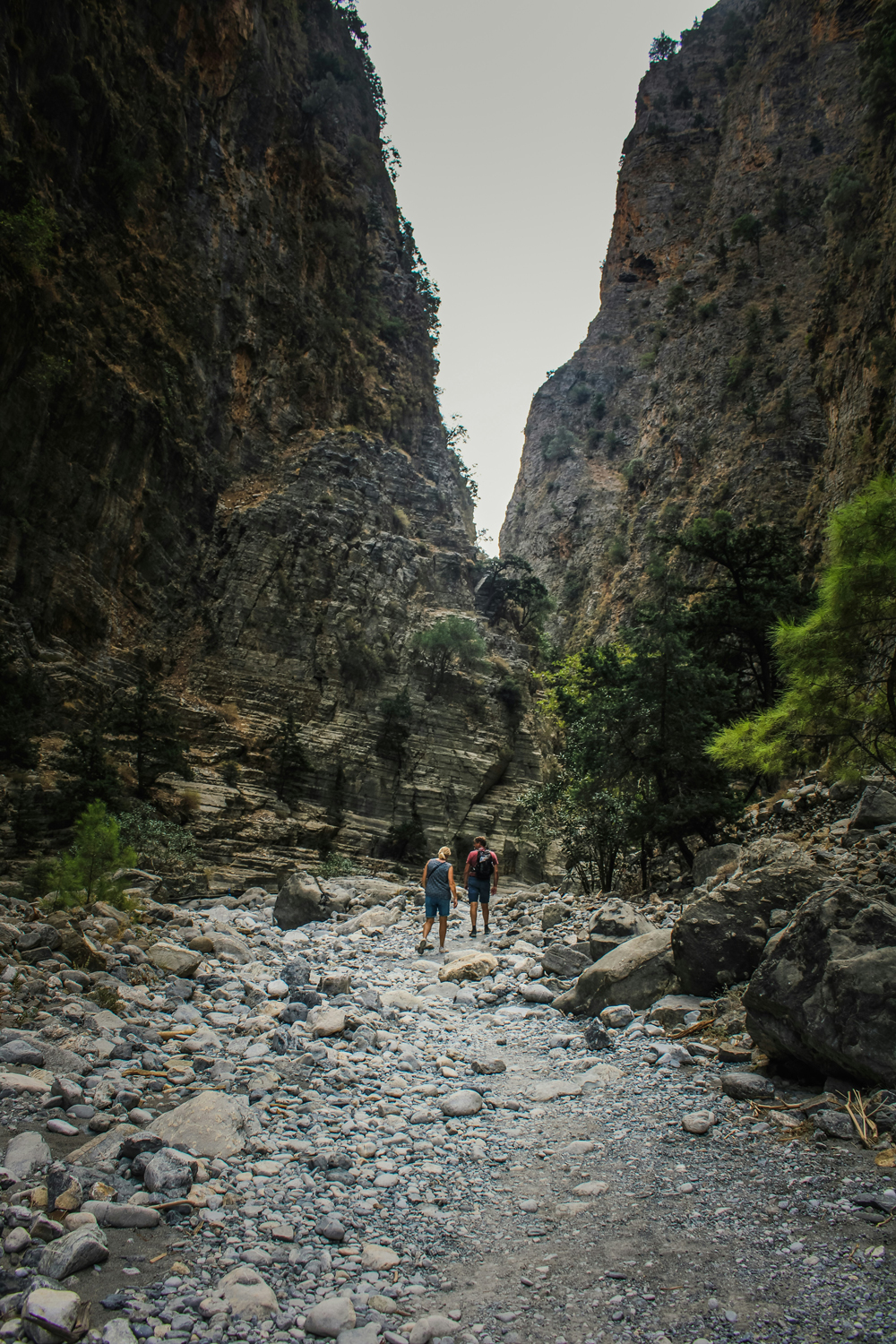
In mainland Greece, walking often unfolds across larger, more continuous landscapes, places where distance matters less than rhythm. In Samaria Gorge, the experience is physical and immersive. The 16-kilometre route moves through rugged terrain, narrowing and opening again, shaping the pace of the walk itself. It’s not something you rush, but something you settle into.
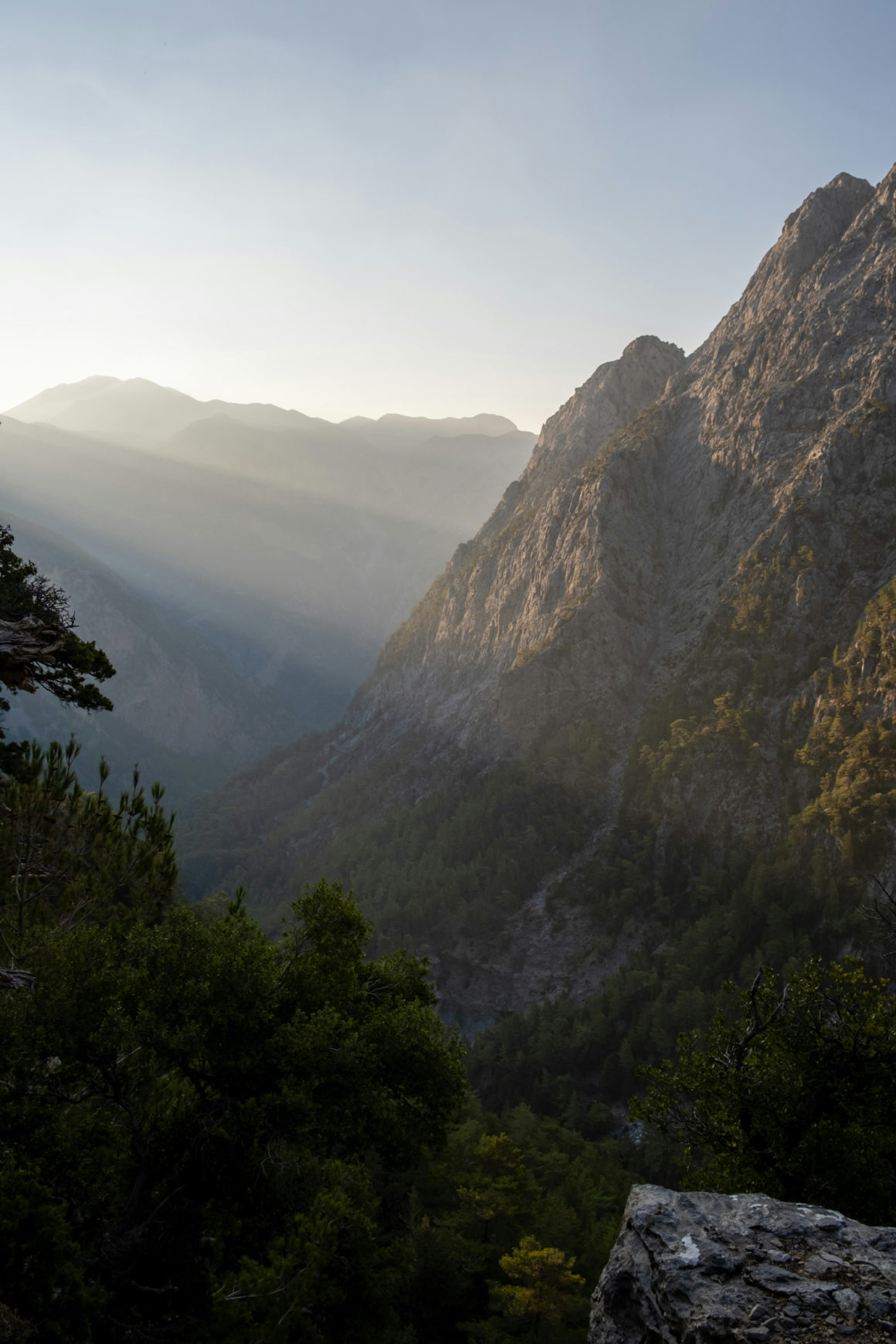
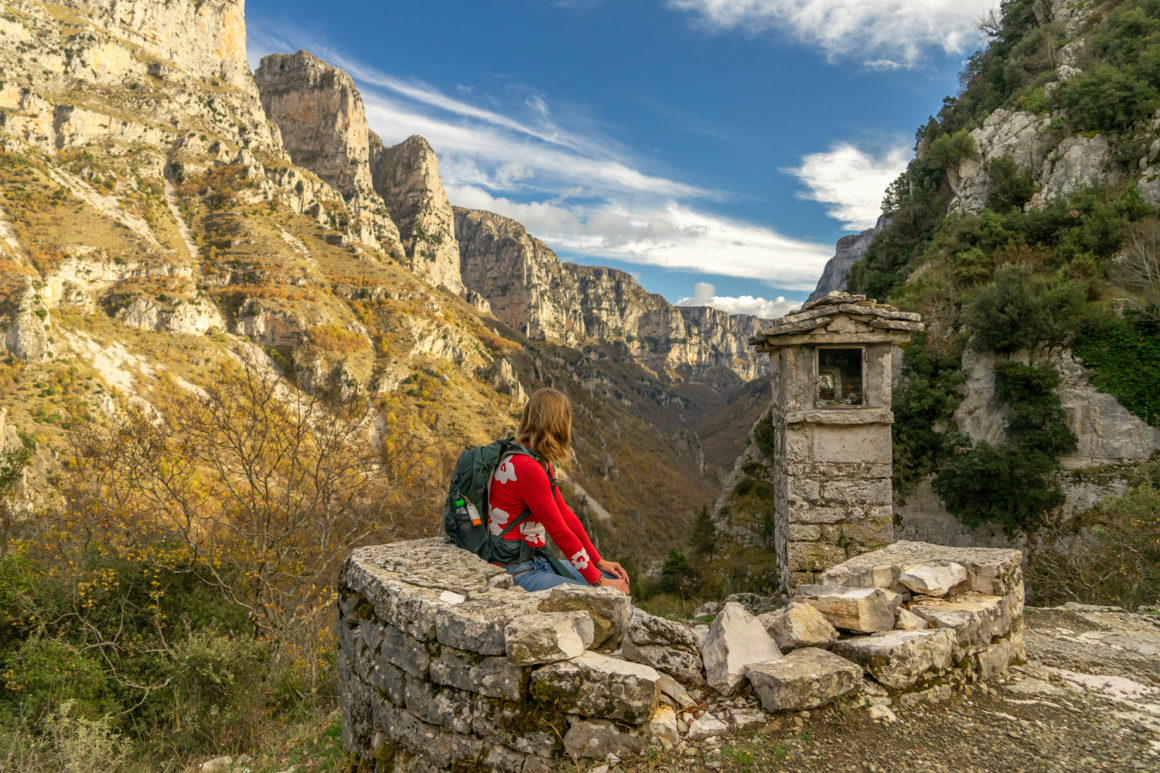
Further north, Vikos Gorge and the villages of Zagori offer a quieter kind of scale. Forested paths, stone bridges and viewpoints like Beloi and Oxya shift constantly between intimacy and vastness.
On Mount Olympus, walking becomes more gradual. Trails begin in dense forest near Litochoro and move upwards, changing character along the way. You don’t need to reach the peak to feel the presence of the mountain.
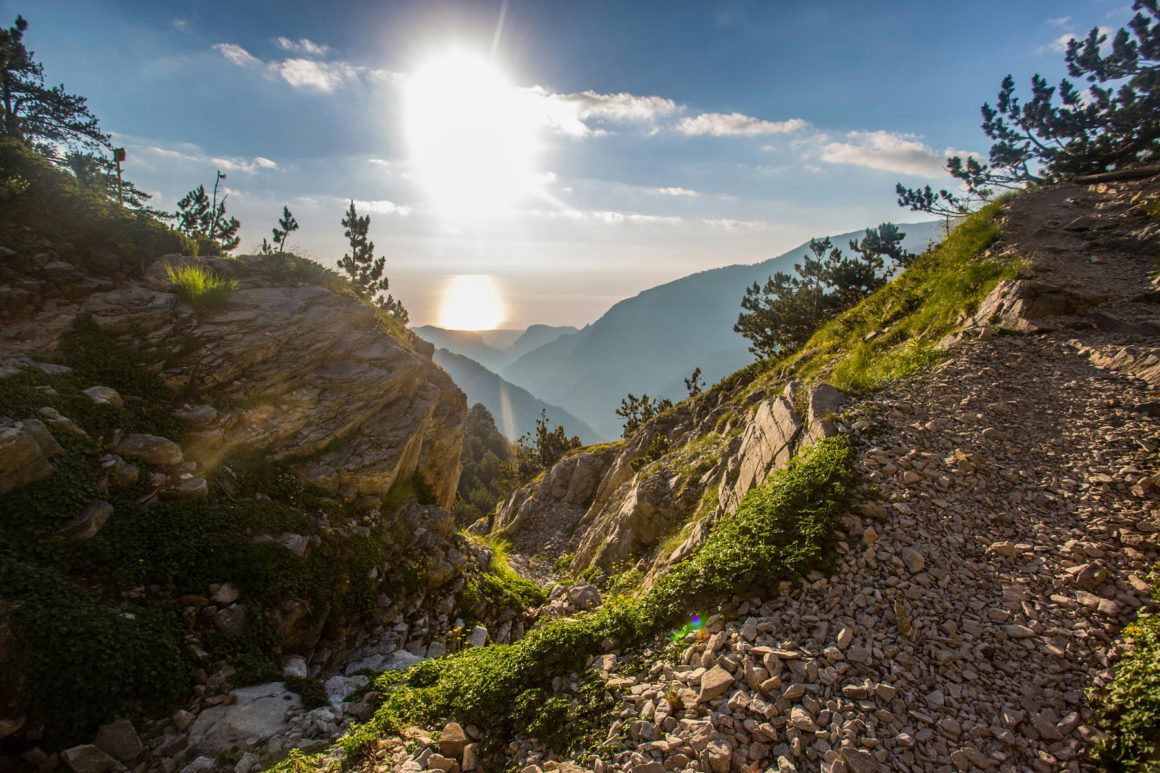
And in the Peloponnese, the Menalon Trail connects villages, valleys and canyons across a longer route, a walk shaped as much by movement as by place.
Island Walks & Coastal Paths
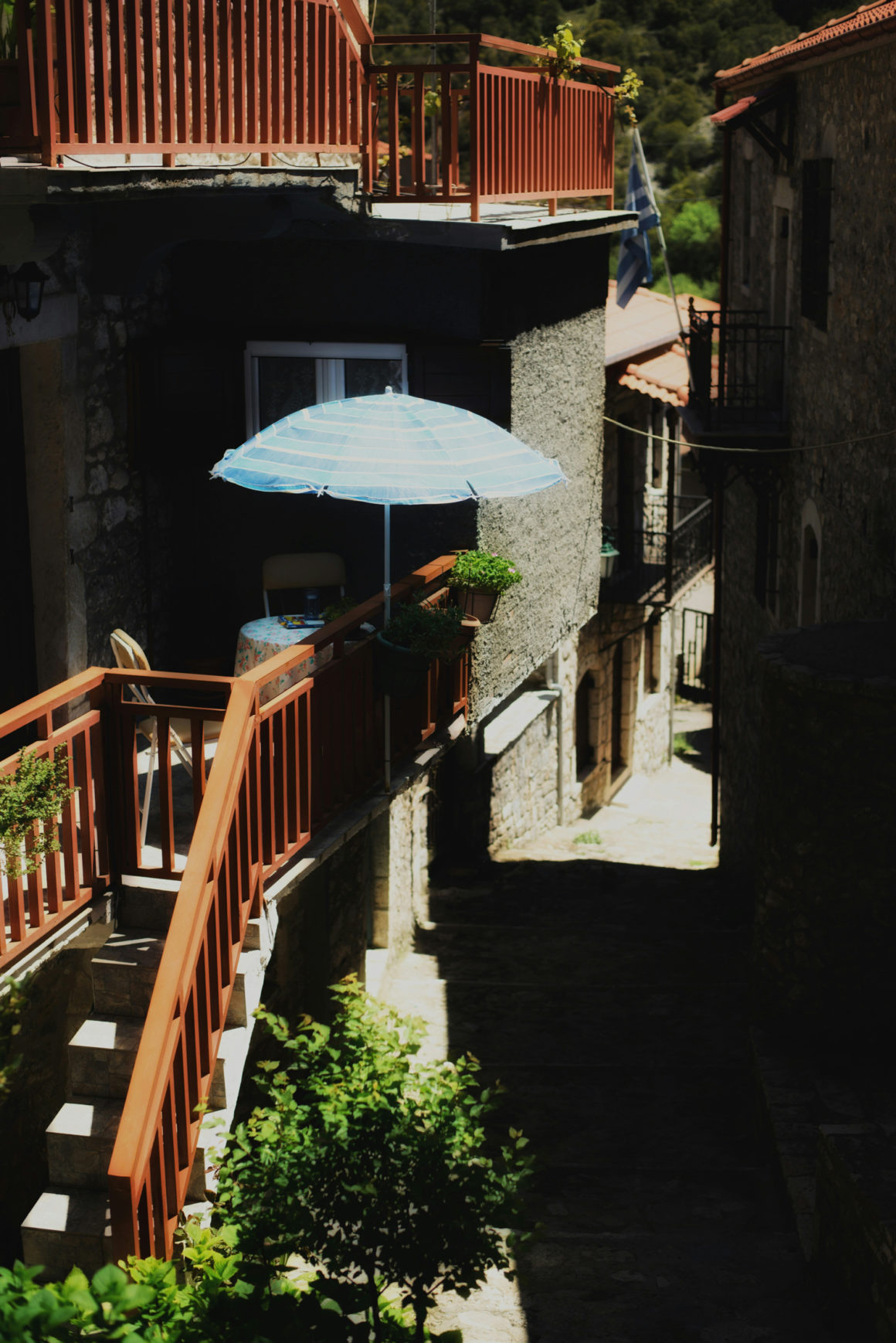
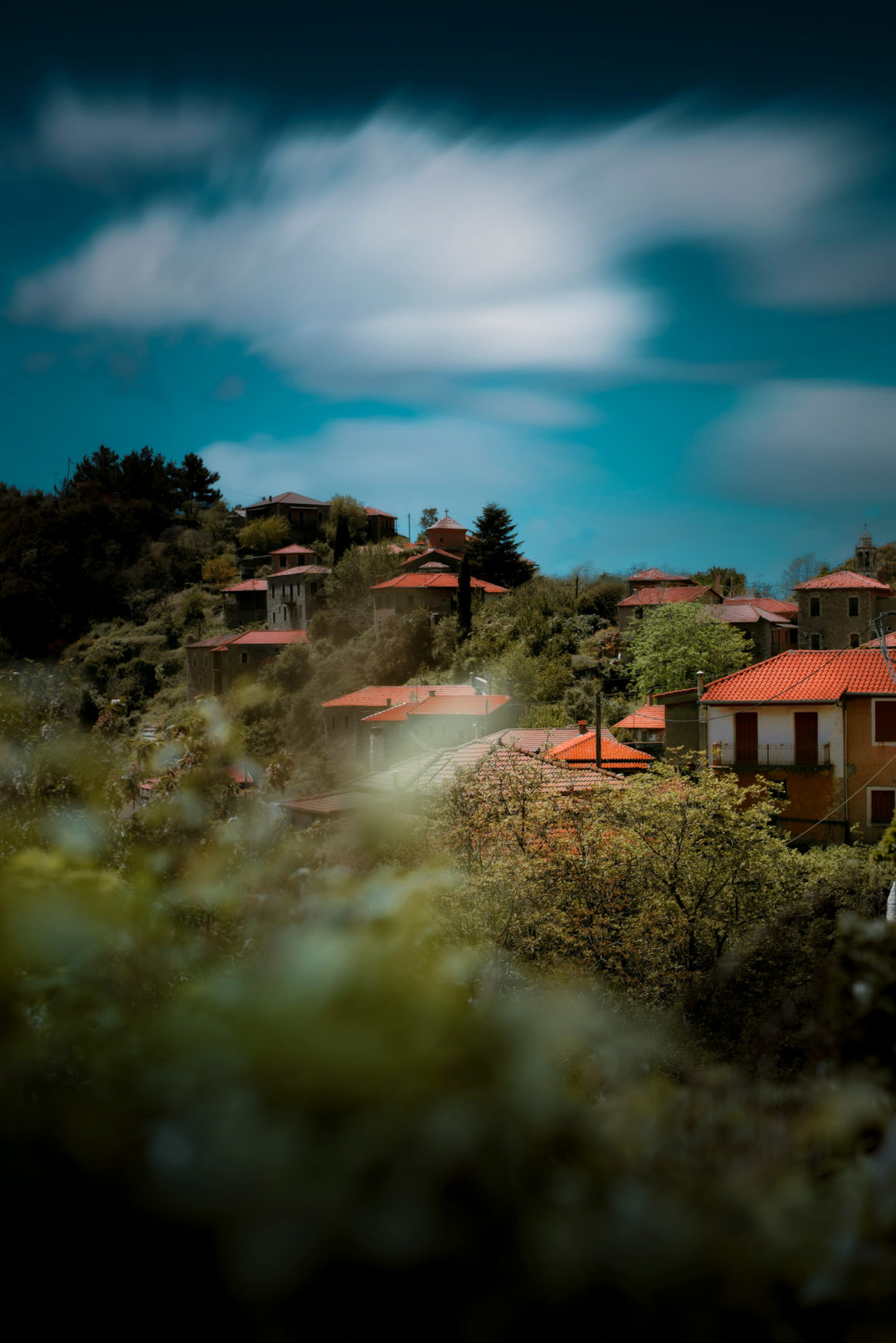
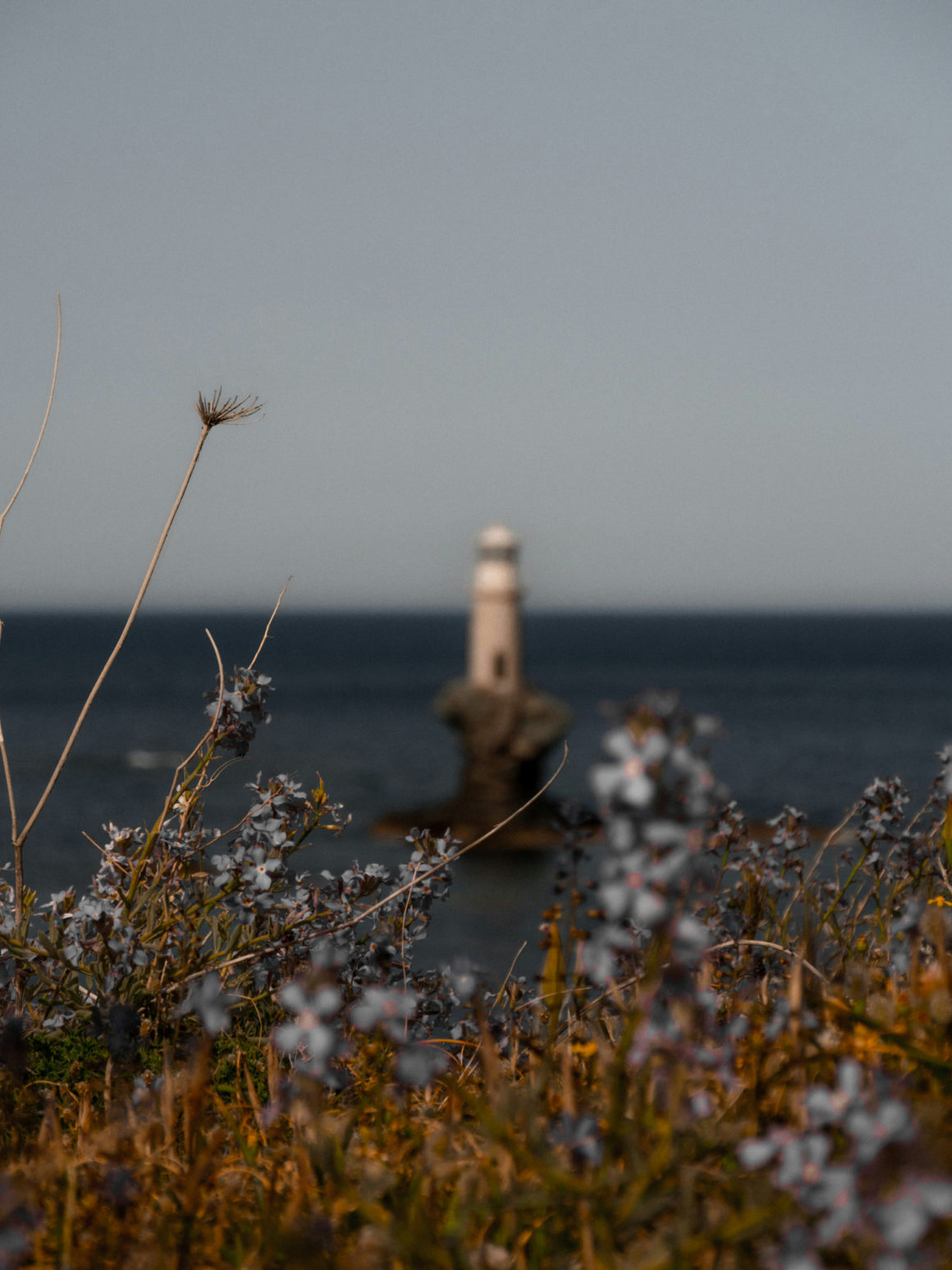
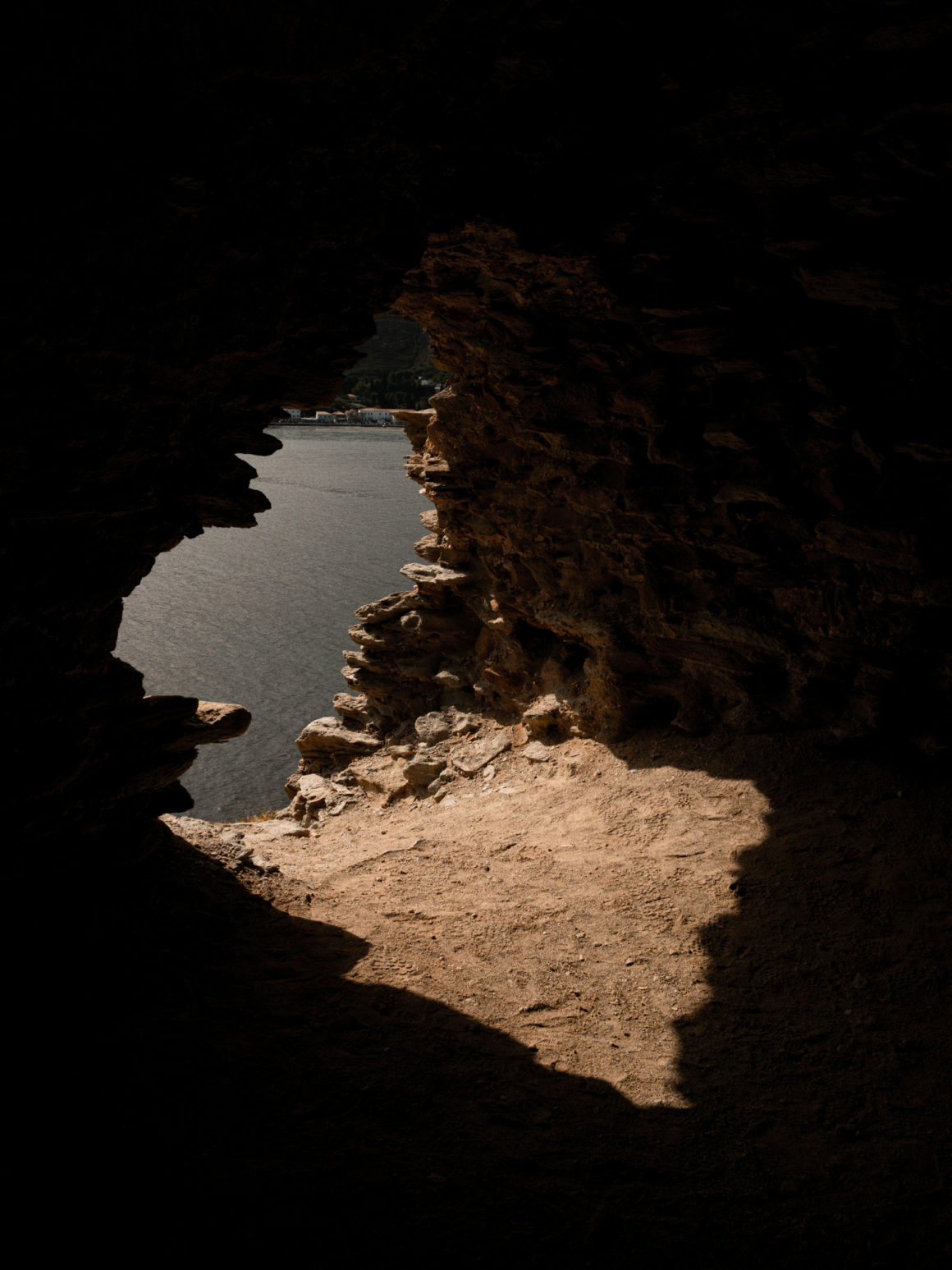
On the islands, walking feels lighter, shaped by the sea as much as the land. Andros stands apart for its network of restored trails, linking villages, valleys and hidden beaches. There’s a sense of continuity here, paths that feel lived-in rather than rediscovered.
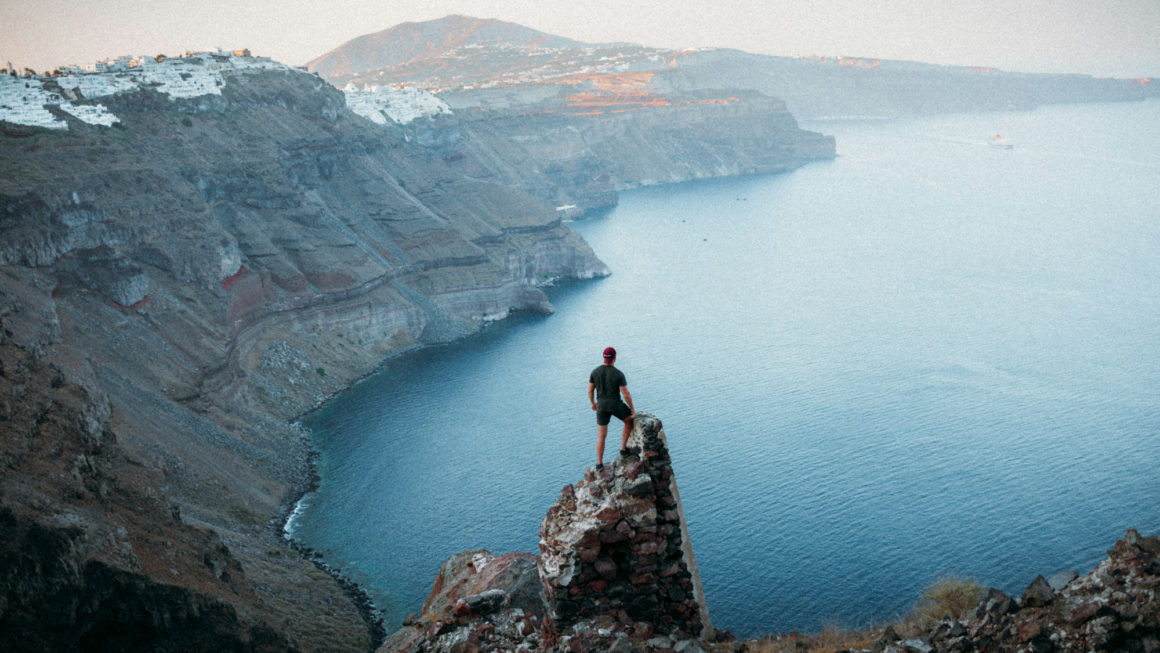
In Santorini, the caldera path between Imerovigli and Oia is defined by exposure. The landscape opens wide, volcanic and uninterrupted, with the sea stretching below. In May, it still feels balanced, before the intensity of summer sets in.
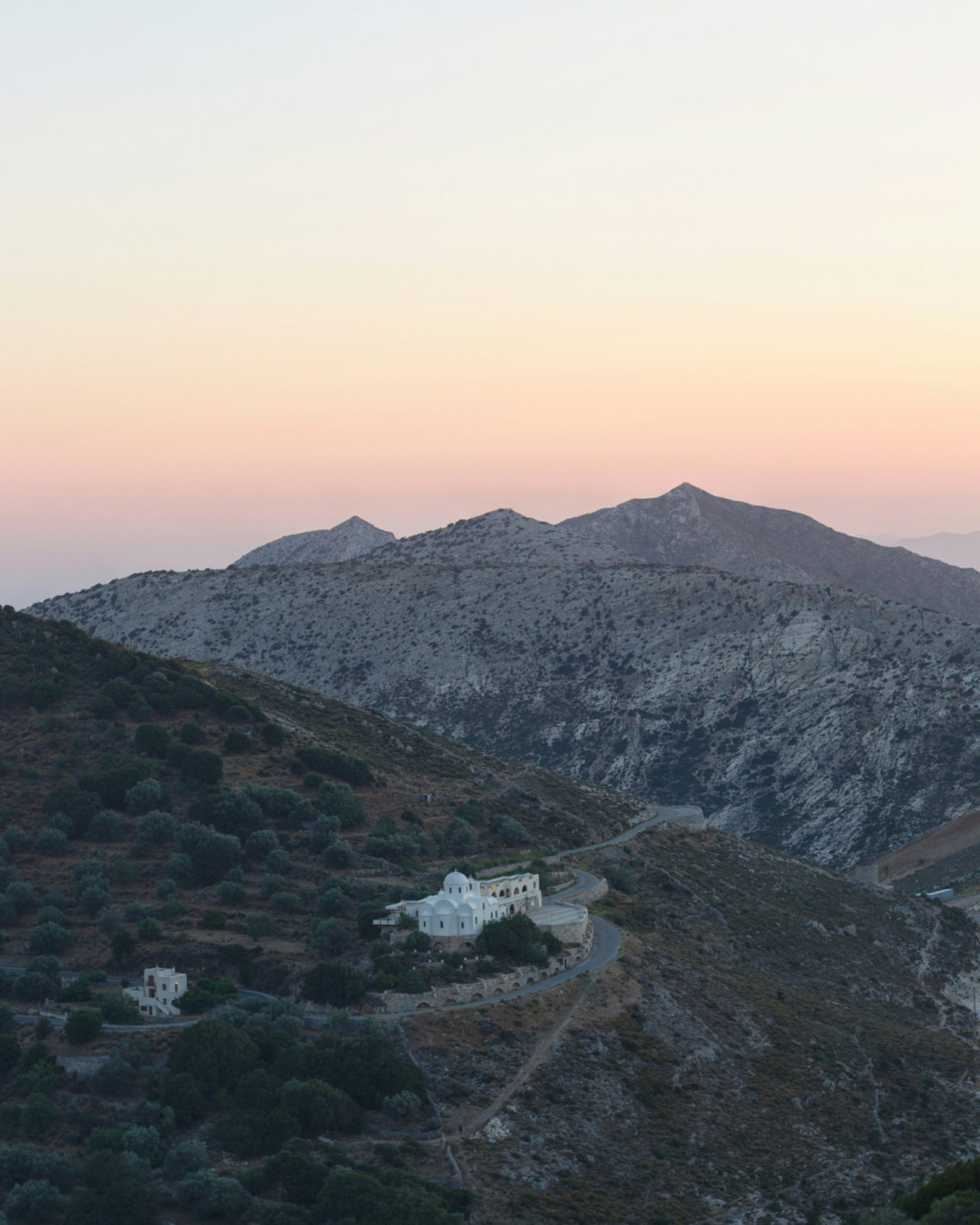
Naxos offers a different rhythm. Mountain trails around Mount Zas move through quieter terrain, connecting small villages and older routes that feel less defined by the coast.
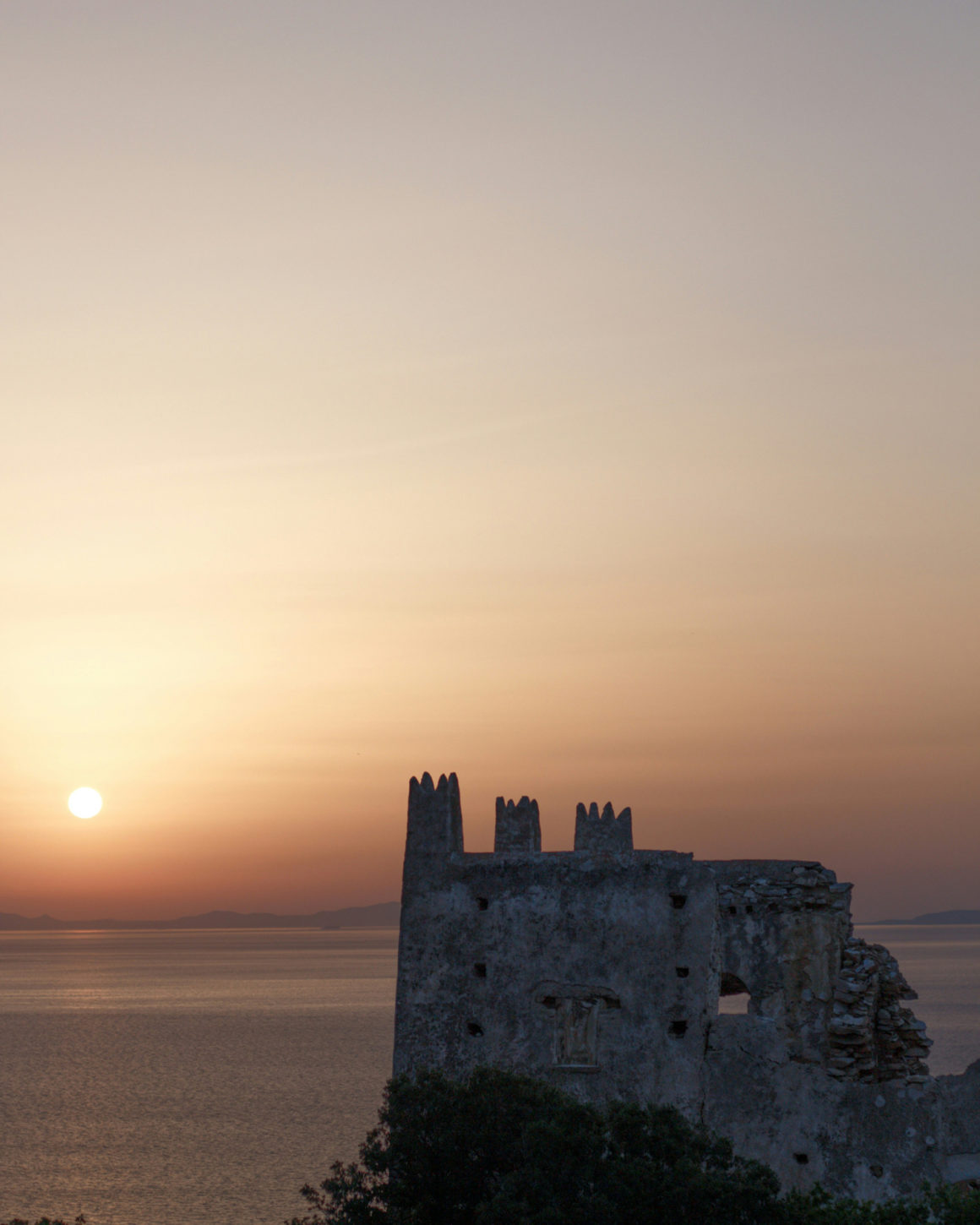
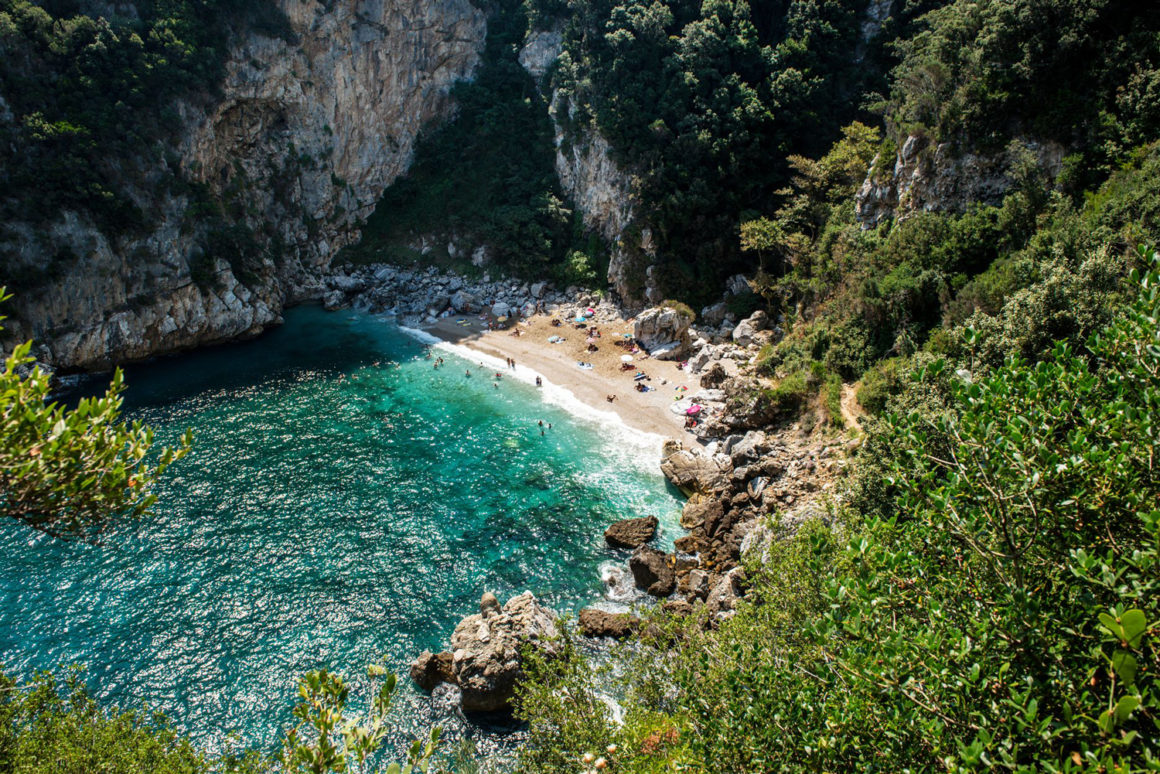
And in Pelion, paths move between forest and sea. Walks like the route from Tsagarada to Damouchari shift gradually from shade to shoreline, combining two landscapes in a single movement.
Cultural & Historic Walking
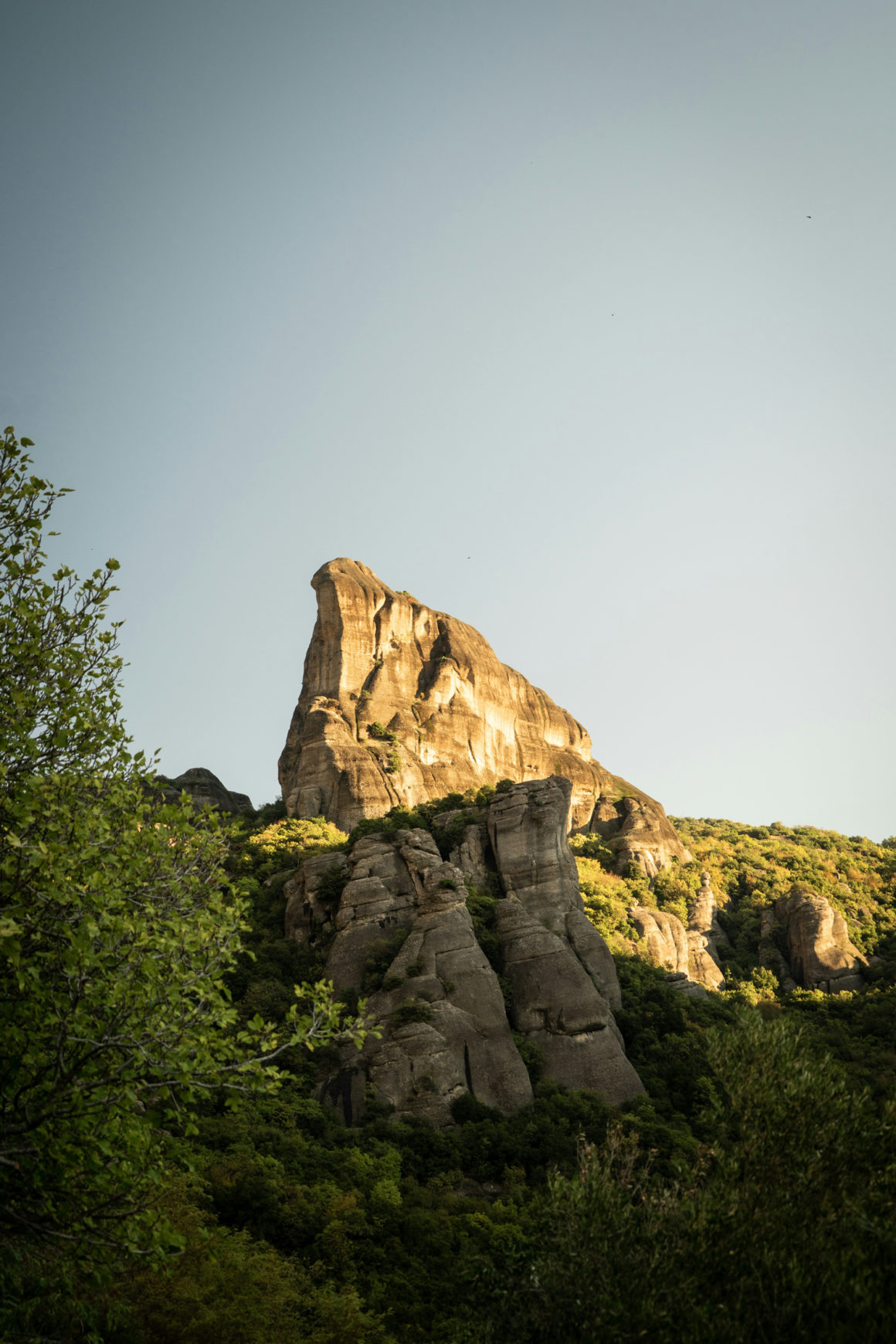
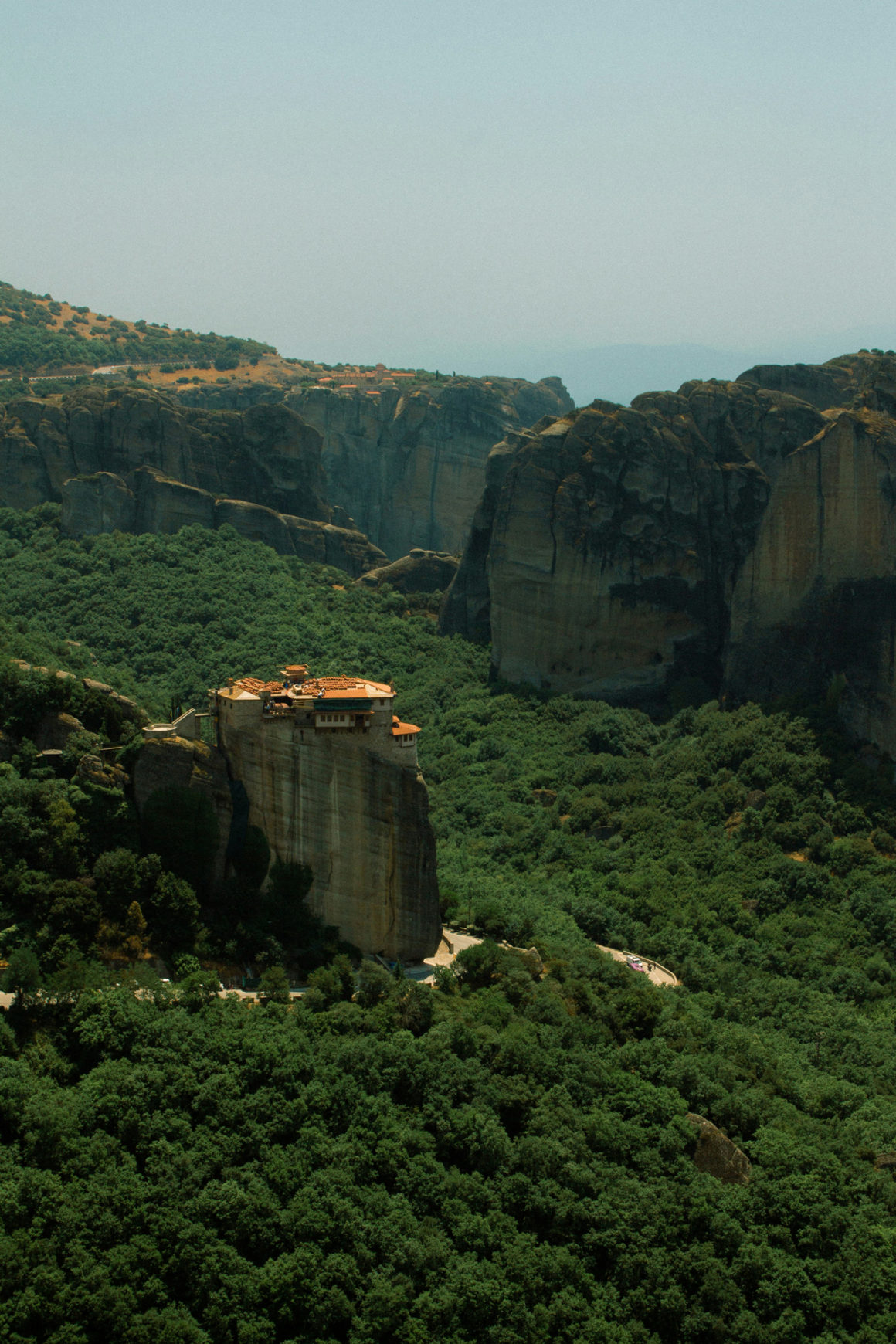
Some walks in Greece are shaped less by nature and more by histor, paths that carry a different kind of weight. In Meteora, routes move between rock formations and monasteries, altering your sense of space and distance. The vertical landscape makes even short walks feel expansive.
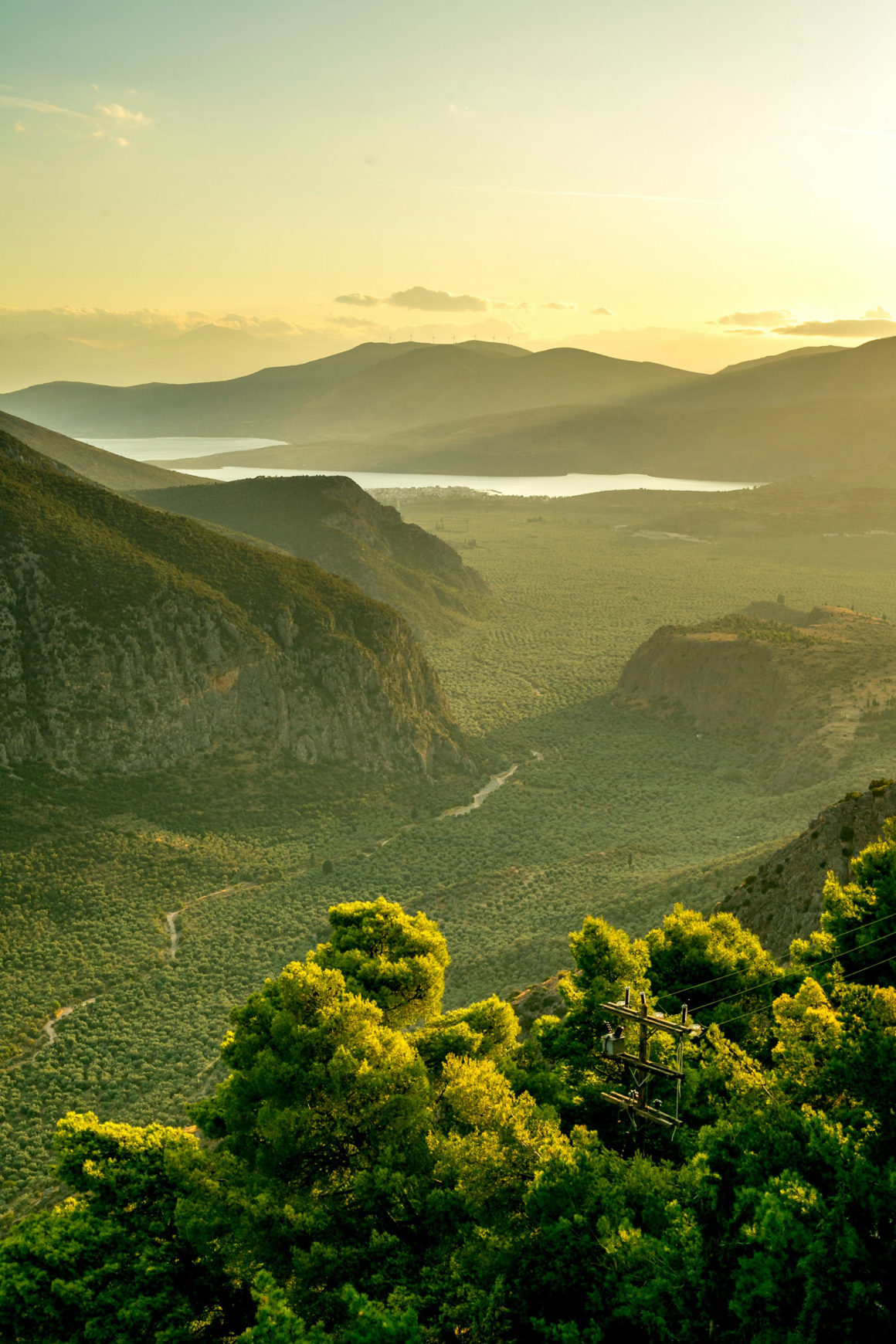
At Delphi, paths wind through ancient ruins, opening to views of the Corinthian Gulf. Walking here becomes layered, landscape and history unfolding together.
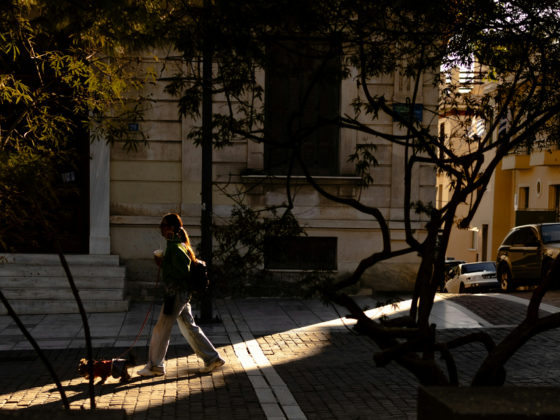
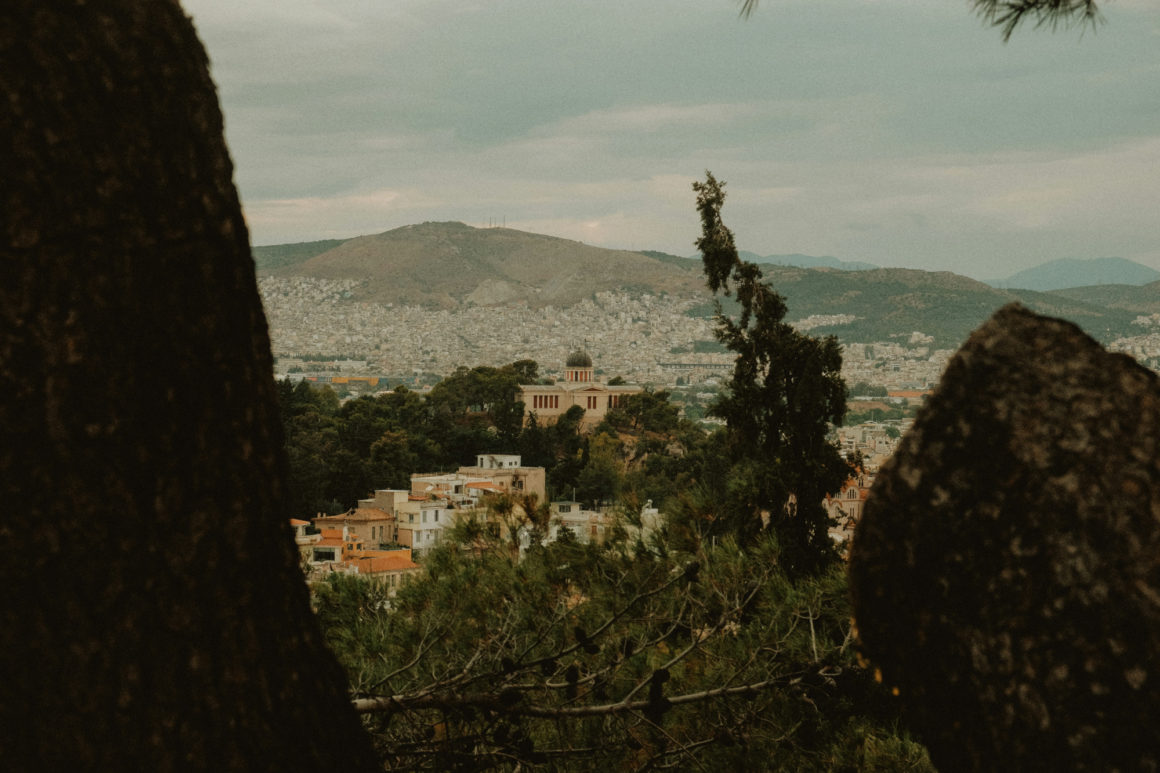
And even in Athens, movement through the city takes on a different quality. Routes across Philopappou Hill or through Monastiraki offer a more immediate version of the same idea. Here, walking is a way to read the place.
Before Summer Takes Over
Walking in Greece is not always about reaching a destination. In spring especially, it becomes something simpler, a way to experience the landscape before it changes again. Soon, the heat will alter the rhythm. Paths will empty, afternoons will slow, and movement will shift closer to the sea.
But for now, walking still feels like the right way to be here.